Minecraft 주민 거래소 설계 및 최적화 가이드
뛰어난 Minecraft 주민 거래소는 통제된 기계입니다: 짧은 경로, 신뢰할 수 있는 직업 블록 연결, 할인을 위한 안전한 좀비 접근, 그리고 확장할 충분한 공간. 이를 하나의 거대한 상자가 아니라 모듈로 만들면, 더 빠른 재입고, 더 나은 가격, 그리고 생존 서버에서 훨씬 적은 유지보수를 얻게 될 것입니다.
저는 이것을 인정하고 싶을 만큼 여러 번 다시 만들었습니다. Frankfurt의 Paper 서버에 있던 악명 높은 지하 거래소도 포함해서요, 제 사서들의 절반이 벽을 통해 계속 잘못된 독서대를 점유했었죠. 그래서 이 가이드는 예쁜 스크린샷이 아니라 실제 일상 플레이에서 작동하는 버전입니다.
진정으로 규모가 필요할 때까지는 작은 거래소가 거대한 거래소보다 낫습니다.
최고의 Minecraft 주민 거래소 설계 목표
블록을 놓기 전에, 당신의 거래소가 무엇을 위한 것인지 결정하세요. 인챈트된 책과 황금 당근만 필요하다면, 12에서 16명의 주민으로 충분합니다. 모든 직업 커버와 백업 거래를 원한다면, 24에서 40명을 계획하세요. 대부분의 플레이어는 과도하게 건설한 후, 디버깅이 두 번째 직업처럼 느껴지는 이유를 궁금해합니다.
PCGamesN은 2026년 2월에 팜 배치가 여전히 가장 큰 초기 진행 배수 중 하나라고 보도했습니다. 거래소는 같은 논리인데, 주민들이 훨씬 더 투덜거린다는 것뿐이죠. 제대로 만들면, 도구 재롤, 음식 공급, 에메랄드 수입, 그리고 후기 게임 장비 접근 등 많은 그라인드를 대체합니다.
당신의 목표를 세 가지 제약 조건 중심으로 설정하세요:
- 안정성: 주민들은 자신의 직업 블록과 침대 논리를 안정적으로 유지해야 합니다.
- 처리량: 주요 거래자들 사이를 분 단위가 아니라 초 단위로 이동해야 합니다.
- 안전성: 무작위 좀비 연쇄 반응 없음, 베이비 좀비 경로 예상치 못함, 습격 중 노출된 주민 없음.
그리고 네, 미학이 중요합니다. 당신이 이 방에 많은 시간을 보낼 것이기 때문입니다.
제 선호도는 하나의 중앙 복도와 대칭 구조를 가진 컴팩트한 직사각형입니다. 나중에 돌, 심층석, 구리, 배너, 라벨 표지판으로 멋있게 장식할 수 있습니다. 기능이 우선, 멋짐은 나중. 그 순서가 당신의 거래소를 살립니다.
확장 가능한 주민 거래소 배치 청사진
저는 생존에서 신뢰할 수 있는 세 가지 배치를 가지고 있으며, 각각은 다른 문제를 해결합니다. YouTube 썸네일에서 멋있어 보였던 것이 아니라 당신의 세계 진행 단계에 따라 하나를 선택하세요.
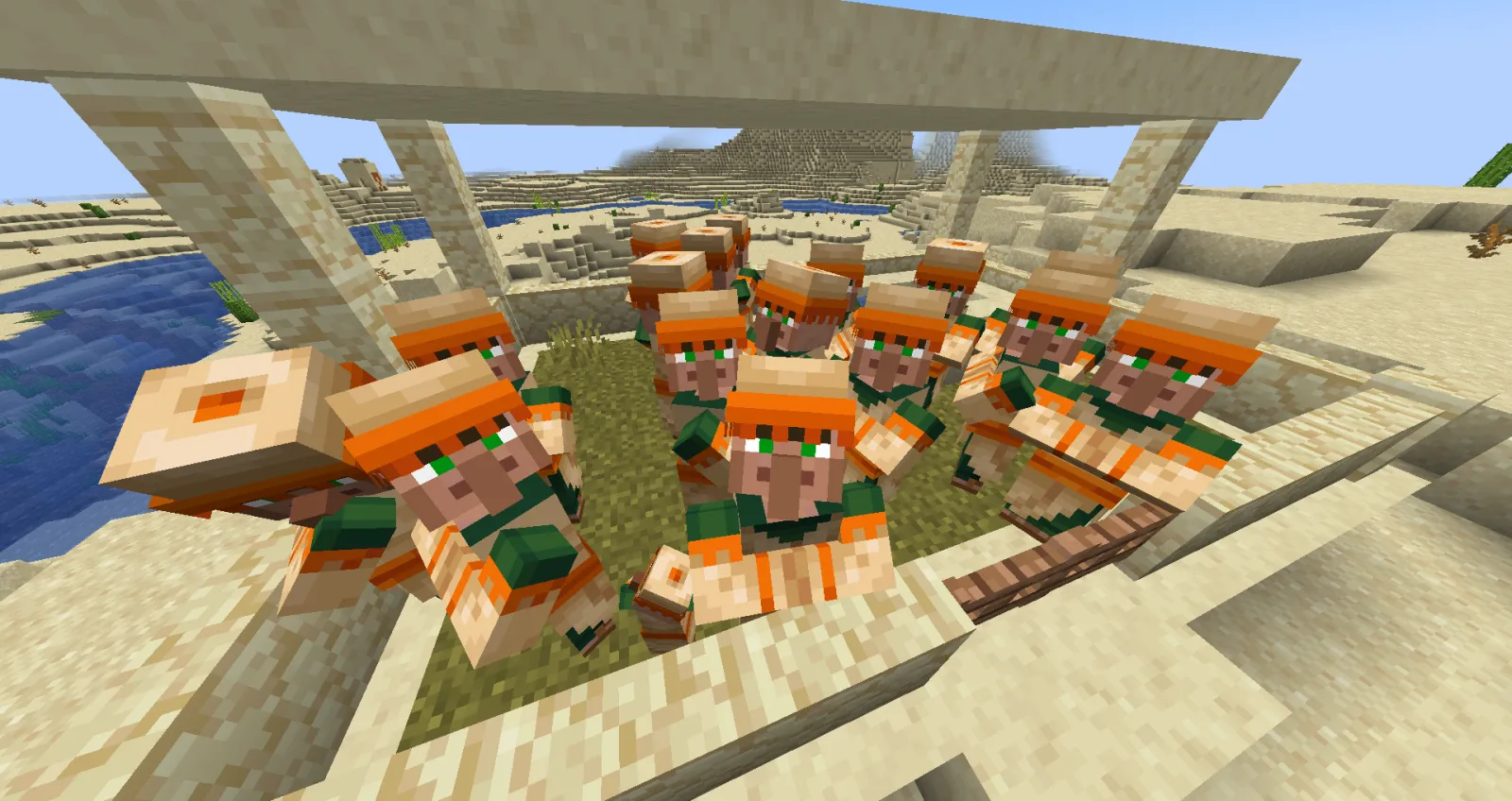
1) 스타터 포드 거래소 (8명에서 12명의 주민)
이것은 베이스 근처의 초기 설정입니다. 한 블록 너비의 구획, 앞에 직업 블록, 안전한 거래를 위한 해치 접근, 그리고 주민을 이동하거나 블록을 교체할 수 있는 뒷길. 모든 구획을 시각적으로 동일하게 유지하세요. 시야 범위 버그는 비표준 모양에서 자주 나타나기 때문입니다.
작동하는 이유: 짧은 이동 시간, 빠른 설정, 쉬운 디버깅. 실패하는 이유: 곧 용량에 도달하고 못생긴 옆방을 추가하기 시작합니다. 본격적으로 인챈팅할 예정이면, 처음부터 이것을 임시로 여기세요.
2) 이중 복도 거래소 (16명에서 32명의 주민)
두 개의 마주보는 구획 열, 중간에 2-3 블록 폭의 주 통로. 이것은 대부분의 EU 생존 SMP의 최적지입니다. 직업별로 날개를 나눌 수 있습니다. 예를 들어, 한쪽에는 사서와 지도제작자, 다른 쪽에는 농부와 도구장인, 그리고 두 행 뒤로 좀비 할인 통로를 배치합니다.
경로 탐색 검사가 이상해지지 않으면서 시각적 개방감을 원한다면, 주민들 사이에 유리나 철창을 사용하세요. 내 Realm 테스트 월드에서는, 열린 해치 앞이 더 멋있어 보였지만 스팸 거래 중에 히트박스와 계속 부딪혀서 속도가 느려졌습니다. 작은 디테일이지만, 시간이 지나면 큰 짜증입니다.
3) 모듈식 셀 블록 (32명 이상의 주민)
이것을 반복되는 청크로 생각하세요: 모듈당 8명의 주민 셀, 그리고 허브 주변에 복사-붙여넣기 스타일 확장. 각 모듈은 자신의 번식 입구 게이트와 직업 블록 저장 상자를 가집니다. 한 모듈이 동기화되지 않으면, 전체 거래소를 무너뜨리는 대신 한 섹션만 수정합니다.
지연 현상이 주민들의 조용한 살인자입니다.
고인구 거래소에서는 필수 외 엔티티를 멀리 하세요. 풀려난 고양이, 장식용 갑옷 거치대 범람, 청크를 가로지르는 자동 아이템 시스템 등을 피하세요. 당신은 동물원이 아니라 거래 공장을 운영하는 것입니다.
직업 블록 연결, 재입고, 그리고 침대 논리
대부분의 최적화 문제는 에메랄드 수학이 아니라 마을 메카니즘에 관한 것입니다. Minecraft Wiki에서는 직업과 직업 블록 규칙을 명확하게 나열하지만, 실제로 플레이어들은 블록을 잘못된 순서로 이동시켜 거래소를 망칩니다. 그래서 현장 테스트를 거친 순서는 다음과 같습니다.
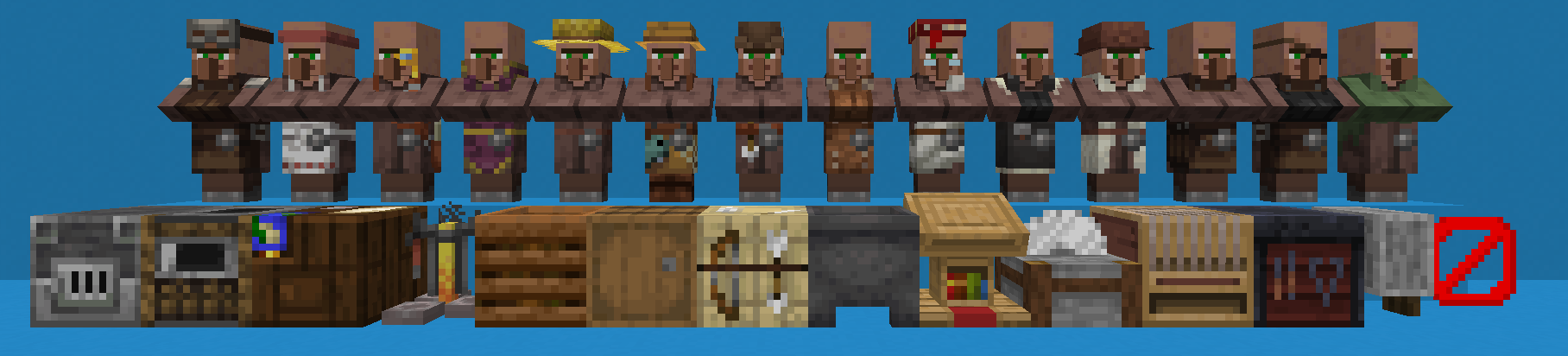
- 먼저 구획을 배치하고 주민을 위치에 고정합니다.
- 그 주민을 위해 정확히 하나의 직업 블록 후보를 배치합니다.
- 파티클과 직업 선택을 관찰합니다.
- 한 번 거래하여 직업과 거래 테이블을 잠급니다.
- 그 다음에만 장식하고 접근을 닫습니다.
주민이 재입고되지 않으면, 다음 순서로 확인하세요: 직업 블록까지의 접근 경로, 직업 블록 소유권, 시간대, 그리고 블록 교체 실수로 인한 예기치 않은 상태 변환. 정상 상황에서는 하루에 최대 2번 재입고되지만, 서버 지연과 게임룰 설정이 이 타이밍을 불규칙하게 만들 수 있습니다.
어렵게 배운 주의사항이 있습니다: 저는 거래소에서는 침대가 중요하지 않다고 말했습니다. 하지만 Bedrock에서는 사실이 아닙니다. 침대 배정이 마을 중심 동작에 더 강한 영향을 미칠 수 있으므로, 혼합 플랫폼 서버는 Java 전용 빌드가 종종 생략하더라도 안정적인 침대 계획을 포함해야 합니다.
또한, 가능하면 번식 시설을 거래소에서 최소 한 청크 떨어진 곳에 배치하세요. 공유되는 마을 경계는 디버깅하기 어려운 문제를 만듭니다. 편방향 광산 수레 시스템과 도착 지점의 수동 분류 스테이션으로 운송을 간단하게 유지할 수 있습니다.
최적화: 가격, 처리량, 그리고 낮은 지연 성능
모든 사람이 유명한 1 에메랄드 거래를 원합니다. 평판 쌓기와 좀비 치료로 달성할 수 있지만, 먼저 일관성을 위해 최적화해야 합니다. 몇 세션마다 깨지는 완벽한 할인 설정은 약간 더 높은 가격의 안정적인 거래소보다 나쁩니다.
제 기본 최적화 스택은 다음과 같습니다:
- 마을의 영웅 (선택): 좋은 보너스이지만 핵심 인프라는 아닙니다.
- 좀비 레인: 통제된, 단일 목표 방과 즉각적인 격리.
- 직업 배칭: 관련 거래자들을 함께 그룹화하여 이동 시간 단축.
- 표지판과 색상 코딩: 명확한 라벨이 의도하지 않은 재롤을 방지합니다.
- 청크 인식: 높은 활동 시스템을 가깝게 유지, 거래 루프당 많은 청크 교차 피하기.
처리량은 대부분 이동 속도입니다. 책, 유리, 종이, 에메랄드 덤프 루프가 90초 걸린다면, 시간을 낭비하고 있습니다. 25에서 40초의 문-문 시간을 목표로 하세요. 엔더 상자, 모루, 숫돌, 그리고 결과 저장 상자를 기지 다락실이 아니라 거래소 입구에 두세요.
그리고 네, 광산 수레는 보트보다 비싸지만 좁은 공간에서 주민 운송에는 더 신뢰할 수 있습니다. 보트는 거의 다 왔다고 약속했다가 반블록 하나에 10분 동안 막히는 친구 같습니다.
Paper 또는 Purpur 서버에서는 자신의 빌드를 탓하기 전에 관리자에게 주민 활성화 범위와 틱 설정을 확인하세요. 일부 최적화 플러그인은 플레이어 근처 외의 AI 업데이트를 제한하므로 무작위 재입고 버그처럼 보일 수 있습니다. 항상 당신의 레드스톤이 문제는 아닙니다.
측정 가능한 개선을 원한다면, 한 번에 하나의 변수씩 테스트하세요. 복도 너비를 바꾸고, 거래 5 사이클을 돌리고, 시간을 기록하세요. 유틸리티 블록을 더 가깝게 이동하고 다시 시도하세요. 대부분의 플레이어는 벤치마크를 하지 않고 느낌만 따릅니다. 느낌은 재미있지만, 수치만이 진실입니다.
일반적인 거래소 실수와 해결 방법
당신이 몇 번 재건설하지 않도록 도와드리겠습니다.
실수 1: 재롤 중 모든 구획을 열기. 한 번에 활성 후보는 하나만 필요합니다. 다른 직업 블록으로의 시야를 차단하고, 빠르게 재롤한 후, 잠그고 봉인합니다.
실수 2: 베이비 주민을 활성 거래소 통로에 섞기. 자라면서 예상치 못하게 직업을 가질 수 있습니다. 새로 도착한 주민들을 위한 격리 방을 두고 그곳에서 먼저 직업을 배정합니다.
실수 3: 습격 계획 없음. 거래소가 주 마을 중심 근처에 있으면, 습격이 그것을 통과할 수 있습니다. 게이트 병목과 방어 시야를 추가하거나, 거래소를 주 마을 영역 밖에 두세요.
실수 4: 수직성 무시. 2층 거래소는 멋있어 보이지만 종종 흐름을 방해합니다. 수직 디자인을 사용한다면, 각 층을 하나의 워크플로에 할당하고 빠른 접근, 버블 칼럼이나 짧은 사다리를 추가하세요. 장식용 나선형 계단 마라톤은 아닙니다.
실수 5: 너무 일찍 과도하게 장식하기. 먼저 구조를 만들고, 거래를 잠그고, 게임 내 2일 동안 재입고 사이클을 테스트한 다음, 디테일을 추가합니다. 장식용 해치와 랜턴 체인은 좋지만 히트박스와 경로 검사를 방해할 때까지입니다.
Reddit에서 플레이어들은 주민들이 무작위이고 거래소는 항상 깨지기 쉽다고 자주 말합니다. 저는 그 의견에 동의하지 않습니다. 당신의 배치가 규칙적이고 주민 배정 순서가 깔끔하면, 충분히 예측 가능합니다.
바쁜 저녁 일정을 가진 EU 플레이어를 위한 한 가지 더 실용적인 팁: 가능하면 서버의 비피크 시간에 재롤 세션을 진행하세요. 경합이 낮으면 중요한 책 거래를 잠글 때 이상한 틱 끊김이 줄어듭니다.
인프라처럼 만들고 일회용 방처럼 만들지 마세요. 미래의 당신이 매번 거래 세션마다 감사할 것입니다.

Lead writer at minecraft.how. Long-time Minecraft player running a small SMP server, testing every build, mod, and seed before writing about it.
자주 묻는 질문
거래소에 주민이 몇 명 필요한가요?
직업 블록은 어떤 순서로 배치해야 하나요?
주민이 재입고를 안 하는 이유는 뭔가요?
거래 가격을 낮추려면 어떻게 해야 하나요?
재롤 중에 직업을 빠르게 바꾸려면 어떻게 하나요?
거래소 지연을 줄이려면 어떻게 해야 하나요?
Have a Question or Tip about this Guide?Community Q&A
Ask a question or help other players below. Join the discussion and share your Minecraft tips!