Everything About Respawn Anchor in Minecraft
Respawn anchors are the Nether's answer to beds. They let you set a spawn point in the dimension where traditional beds explode on sight. Craft one, charge it with glowberries, place it in your Nether base, and you've got a portable death insurance policy that actually works down there.
How Respawn Anchors Work
Here's the core mechanic: place a charged respawn anchor in the Nether, and if you die anywhere in that dimension, you respawn next to it instead of at your main spawn point. Each use consumes one charge. Run out of charges? You're back to square one, dying and respawning in your Overworld bed.
A fully charged anchor has four charges. Every death removes one. When it hits zero, the anchor becomes completely inert. You recharge it by right-clicking with glowberries in your hand.
One detail that confuses people constantly: respawn anchors don't affect Overworld spawning. At all. Place five of them in your surface base and they do nothing there. They only matter in the Nether and the End. Set it once in the Nether, and all subsequent deaths in that dimension will always respawn you at that most recently set anchor.
Crafting and Finding Respawn Anchors
The recipe is straightforward: six crying obsidian and three glowstone. That's genuinely easier than sourcing the materials.
Crying obsidian appears in ruined portals and bastion remnants throughout the Nether. It doesn't form in huge veins, so hunting beats mining. Bring a diamond or netherite pickaxe (wood won't cut it). Glowstone clusters are everywhere near the Nether ceiling. No special tools required.
Alternatively, respawn anchors generate in bastions themselves. Sometimes you'll find one already placed and charged. It's possible, not guaranteed. Crafting is usually faster than exploring bastion after bastion.
Setting Your Spawn and Managing Charges
Placement strategy matters. Put your anchor somewhere safe inside your base, not in the open where mobs spawn. I tested this on my server the hard way when a newly respawned player got incinerated by a Ghast in the first ten seconds.
Right-click the anchor to set it as your spawn point. The top face must be exposed; you can't activate it from the sides. Honestly, once set, a faint purple glow confirms the binding.
Charging requires glowberries. Right-click with them in hand to add charges, up to four maximum. Each charge eats one glowberry. This is where respawn anchors demand real resource commitment. You need sustainable glowberry access or you're constantly farming them.
Pro move: place multiple anchors at different bases. Set one in your main Nether hub, another at your mining area, a third near your warped forest settlement. Swap your active spawn before heading somewhere risky. Only one anchor is "active" at a time, but the flexibility saves you constantly rebuilding infrastructure.
Respawn Anchors vs Beds: The Real Comparison
They're not replacements. They're complementary.
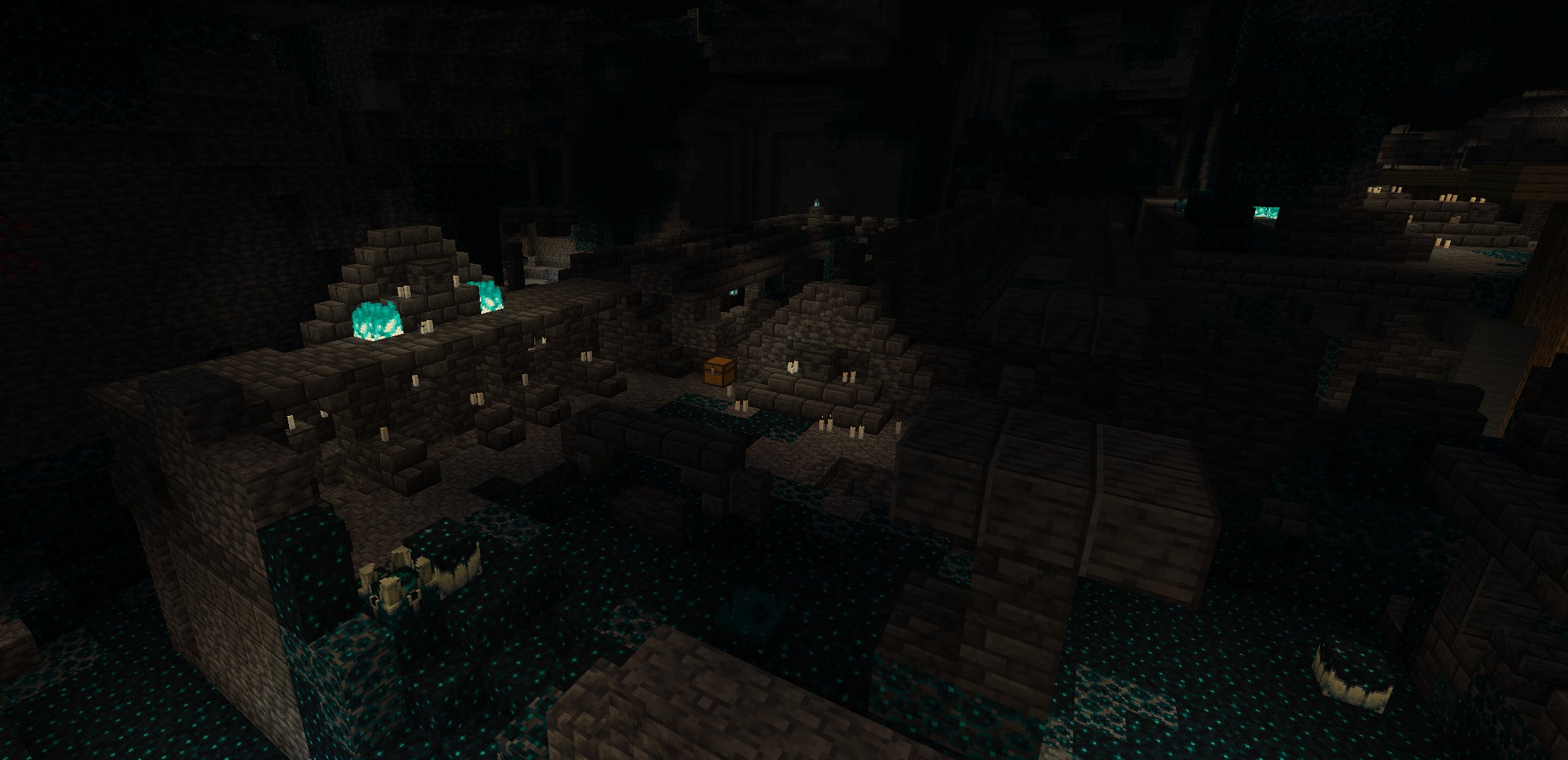
Beds work in the Overworld and the End. Respawn anchors work in the Nether and the End. Both function in the End, actually, so having both there gives you redundancy that matters when things go sideways. Beds beat anchors in the Overworld because wool is everywhere. Sheep are common. Glowberries require lush caves, and those aren't in every world.
My actual setup: standard bed in my Overworld base for quick respawns, respawn anchor in the Nether base for extended mining, and yes, both in the End because the dimension is chaotic and backup options feel essential. The resource investment pays for itself in avoided long treks.
Want to optimize travel between your Overworld base and Nether operations? Use our Nether Portal Calculator to figure your optimal Nether coordinates. Shorter distances mean fewer glowberry farming trips and more time actually playing.
Charging Strategy and Sustainability
Beds recharge automatically. Respawn anchors require active maintenance, and that's a real resource sink.
If you're serious about using respawn anchors, you need stable glowberry supply. Lush caves are your answer. Locate one, visit regularly, and harvest glowberries from the floor. They're renewable but slow-growing. Some players set up collection points in lush caves and let them regenerate over time. Others just keep a stack in a chest and recharged as needed.
Bone meal doesn't accelerate glowberries (I tested this), so automation is limited. But a simple hopper-and-item-frame setup in a lush cave keeps your supplies flowing without constant manual farming.
Do the math: if you die rarely, four charges last forever. If you're exploring constantly, you might recharge every few sessions. Knowing your playstyle upfront saves frustration later.
Mistakes to Avoid
Forgetting to check charge status before risky expeditions. Nothing worse than arriving at a dangerous site only to discover your anchor is completely depleted.
Placing it somewhere visible and undefended. The anchor's blue glow makes it a target. Mobs spawn near it. Explosions destroy it. Build defensively.
Assuming orientation matters. It doesn't. Anchor faces any direction, spawn point stays the same.
Building your entire Nether operation around a single anchor. Convenient, but risky. What if it gets destroyed? What if you're mining in a remote quadrant far from your hub? Redundancy isn't paranoid, it's sensible. Place secondary anchors in different zones.
If you're running a server or managing world spawn mechanics, our Server Properties Generator helps you think through spawn systems holistically, including anchor placement strategy across multiple bases.
Worth the Effort?
For casual players exploring occasionally? Probably not essential. For anyone spending serious time mining, building, or establishing multiple Nether bases? Absolutely worth it. The peace of mind when you respawn safely inside your base instead of at your Overworld spawn is genuinely valuable once you experience it.

Lead writer at minecraft.how. Long-time Minecraft player running a small SMP server, testing every build, mod, and seed before writing about it.