해바라기 평원 바이옴 - 전리품, 몹, 건축 가이드
Sunflower Plains is one of Minecraft's most visually striking biomes, a variant of the regular plains that's covered in enormous yellow sunflowers alongside tall grass and normal terrain. It's instantly recognizable, aesthetically pleasing, and honestly? The perfect spot for building anything agricultural or settlement-focused. Here's everything you need to know about finding resources, handling mobs, and creating something worthwhile in this flower-filled landscape.
What Makes Sunflower Plains Different
So here's the thing about Sunflower Plains: mechanically, it plays almost exactly like a regular plains biome. The terrain is flat, the grass is green, and aside from those giant yellow flowers dominating the landscape, you're working with identical resources and spawn mechanics.
But that visual difference matters more than you'd think.
Those sunflowers are purely decorative (no crafting recipes involve them), but they're phenomenal for design work. I've seen incredible player-built settlements that use sunflowers as natural accent pieces around gardens, pathways, and medieval-style homesteads. They add character in a way regular plains just can't match. You get that sense of arriving somewhere lived-in and intentional.
Worth noting: sunflowers only spawn naturally here. If you want them in other biomes for building purposes, you're harvesting them here and transporting them elsewhere. Not a deal-breaker, but plan accordingly if you're working on a project that needs them elsewhere in your world.
Loot and Resources You'll Find
Let's be honest: loot in Sunflower Plains is pretty standard plains biome material. No treasure chests spawn here. No rare drops exclusive to this location. If you're expecting some secret underground vault full of emeralds, you're in the wrong biome.
What you're actually here for is building material abundance.
Tall grass and regular grass blocks are everywhere, which means quick access to wood from naturally spawning trees, seeds for crop farming, and basic building materials without any mining. If you're planning a survival world and want to establish farming quickly, Sunflower Plains gives you everything you need from minute one. Horses, donkeys, and llamas spawn passively here too, so you can secure mounts before endgame exploration.
Villages generate in Sunflower Plains just like they do in regular plains biomes.
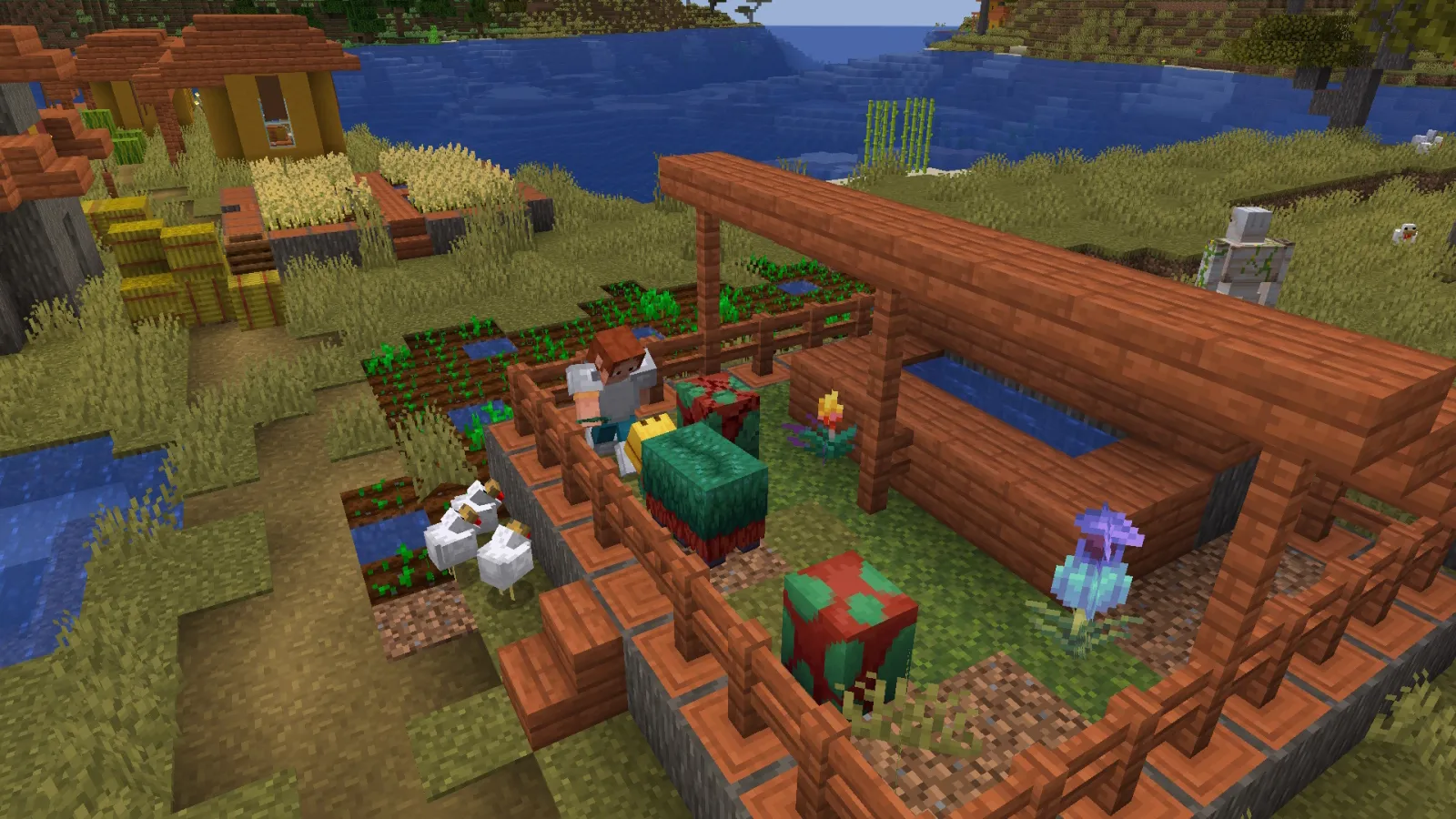
If you find one, you've got immediate access to pre-built structures with wood, crops, beds, and potentially valuable trading opportunities with villagers. I tested this on my server last year and found three separate villages within a 500-block radius of each other. That was actually excessive for what I needed, but it shows how village-dense these areas can be. Some players deliberately search for them; others prefer building from scratch and avoid the pre-made structures entirely.
Mobs That Spawn Here
During daylight hours, Sunflower Plains is about as dangerous as a petting zoo. Sheep, cows, pigs, horses, donkeys, and llamas roam the landscape constantly. Perfect for food production, riding, and breeding if you want to establish livestock operations early.
Nighttime is different.
When darkness falls, the standard hostile mob lineup appears: zombies, skeletons, creepers, and spiders. Nothing unique to this specific biome variant, which honestly cuts both ways. You already know how to counter these threats, so there's no learning curve. But you're also not discovering specialized drops or rare mob variants that might make farming here worthwhile for specific loot.
Phantoms spawn here too if you've gone three Minecraft days without sleeping (they spawn everywhere at this point, not just in specific biomes). The passive mob lineup stays consistent across versions, so whether you're on 26.2 or an earlier snapshot, expect the same creatures.
Building Ideas and Design Potential
This is where Sunflower Plains genuinely shines. The naturally flat terrain and open space eliminate the need to terraform before construction, which saves enormous amounts of time compared to building in hilly biomes.
Consider these project types:
- Expansive farmland (grain, vegetable crops, organized livestock pens)
- Medieval or fantasy villages with multiple buildings
- Cottage communities with individual player homes
- Industrial agricultural operations (automated farms using redstone)
- Custom landscaping and terrain shaping projects
The sunflowers themselves function beautifully as landscape accents. Plant them around garden areas, near building entrances, or in deliberate decorative patches between structures. Mixing them with other flower types (harvest those from nearby biomes) creates visual variety without feeling forced.
If you want to complete the aesthetic with thematic skins for your builds, check out our Minecraft skin gallery where we host over 121,000 free options with a 3D previewer. You'll probably find the perfect farmer, merchant, or builder skin to match your Sunflower Plains settlement vibe.
How to Find One
The challenge here is simple: Sunflower Plains aren't common.
They spawn at roughly the same frequency as regular plains biomes, which means they're findable through exploration but won't appear everywhere. Relying on pure random wandering could take hours.
Your practical options: use a seed finder tool online, check the Minecraft Wiki for known seeds containing Sunflower Plains, or ask community resources. The Minecraft server list has communities where players regularly share seed recommendations and coordinates for rare biomes. If you're on multiplayer, your server admin may have already located one during initial world generation.
For a systematic approach without external tools, use a mapping application like Chunk Base once you've got your seed name. Look, it shows biome locations across your map, which saves days of travel.
I've found two Sunflower Plains in my survival world purely by wandering. One happened to spawn near my initial spawn point; the other I stumbled upon roughly 3,000 blocks out. Luck plays a role, but preparation plays a bigger one.
Setting Up Your Main Base Here
If you've decided to establish your primary base in Sunflower Plains, here's practical organization advice.
Start by building a central farming area.
The flat terrain makes it absurdly simple to construct organized crop plots in neat rows, and you've already got plenty of grass for water-source placement. Natural irrigation is straightforward here. From that agricultural hub, expand your residential zone outward with connected pathways and structures. Keep the sunflowers where they grow for visual appeal, or harvest and replant them strategically around buildings.
Add elevation variety to prevent the landscape from feeling monotonous. Raising certain sections with platforms, building roofed structures, or creating deliberate terrain adjustments breaks up the endless flatness. A few elevated lookout towers or raised garden beds do wonders for visual interest.
Defense infrastructure matters even in peaceful biomes. Walls, trenches, or fencing around your base prevents annoying nighttime interruptions and keeps mobs from trampling your crops. Sunflower Plains don't feature natural mob-spawning structures with built-in defenses like villages do, so you're designing perimeter security from scratch.
Should You Settle Here
Sunflower Plains works best when you specifically want visually appealing, manageable terrain without the terraforming nightmare of mountainous or heavily forested biomes.
It's excellent for agricultural projects, settlement-focused playthroughs, and players who prioritize aesthetics over exclusive loot mechanics. The biome won't give you rare drops or unique mob interactions, but it gives you space, resources, and natural beauty.
The honest assessment: this biome is defined more by what you build in it than what it naturally provides. That's not a weakness. It's just a different kind of value proposition than, say, a jungle biome or mountain range.

Lead writer at minecraft.how. Long-time Minecraft player running a small SMP server, testing every build, mod, and seed before writing about it.
Have a Question or Tip about this Guide?Community Q&A
Ask a question or help other players below. Join the discussion and share your Minecraft tips!