Minecraft Community Builds That Went Viral in 2026
2026 was the year the Minecraft community proved that collaboration and ambition could create something genuinely spectacular. From castles that took 847 hours to build to underground cities that became actual thriving hubs, the viral builds that dominated this year showed what happens when hundreds of players align around a single creative vision. These weren't just pretty pictures either - they became destinations, gathering places, and proof that Minecraft's depth goes way deeper than most people realize.
Why 2026 Exploded With Building Culture
Something shifted in 2026. Players weren't just building anymore - they were competing, collaborating, and broadcasting. The timing felt right. Minecraft 26.1.2 brought subtle rendering improvements that made massive builds actually feel playable rather than laggy and painful. But the real driver was psychological. After years of solo play and isolated servers, the community wanted to be part of something that mattered.
Viral builds became predictable in the best way: an ambitious group would start a project, post a timelapse video showing weeks of work compressed into three minutes, and suddenly five different servers would attempt their own version. Competition drove innovation.
The platforms changed too. TikTok exploded with short building clips. Reddit's r/Minecraft filled with before-and-after comparisons. Discord servers dedicated to build projects grew to thousands of members. Success wasn't just about the build - it was about documentation, community, and the story behind it.
The Castle Phenomenon
If there's one thing that dominated 2026, it's that castles went absolutely insane.
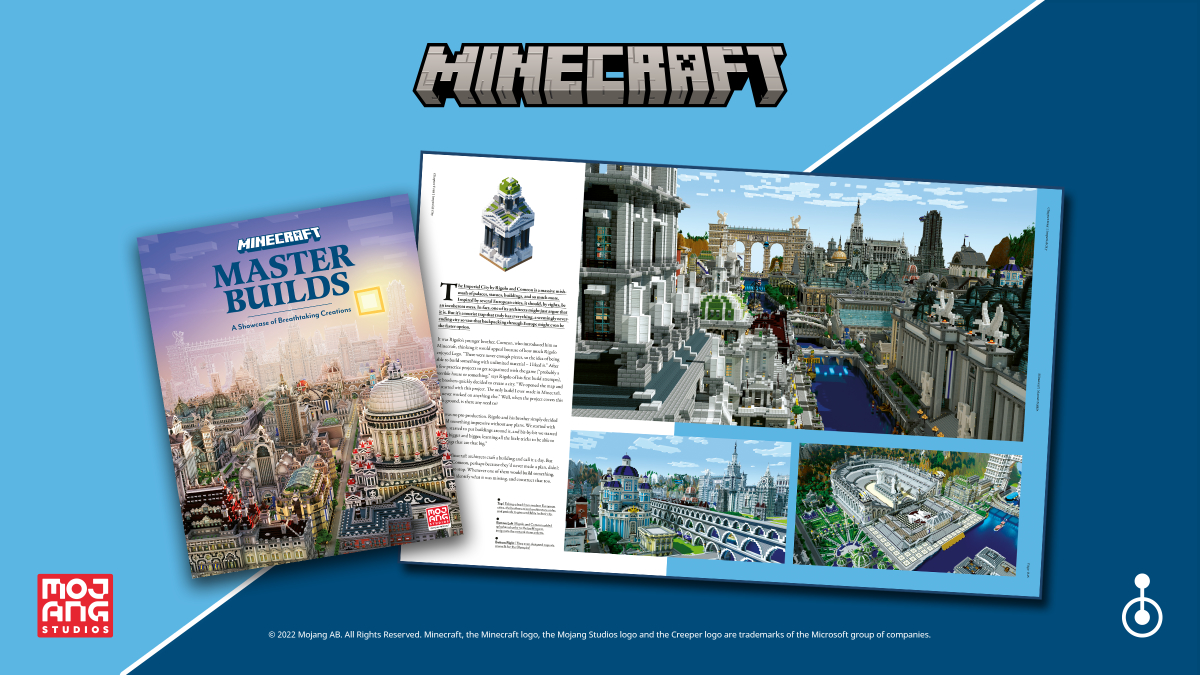
Not basic castles with walls and a keep. We're talking full medieval civilizations. A server collective called BuildFusion created a complex with functional workshops, a library where every book had placed titles, a working blacksmith with scaffolding for NPCs to stand on, and a throne room so detailed it made you feel small. The numbers were staggering: 23 players, 847 real-world hours, and - this matters - videos that reached millions of views.
What made this work? Patience. The team didn't rush. They planned zones, assigned responsibilities, and actually checked each other's work. It showed.
Then there was the "Northern Fortress" project. Built on a survival multiplayer realm with actual resource limits and mobs that would kill you during construction. Watching a timelapse where players are getting attacked by creepers while building walls? That resonated with people. It felt real, earned, dangerous even.
A third castle project generated less architectural buzz but way more drama, which somehow made it more fun to follow. Here's the thing, the community loves a build with gossip attached.
Underground Cities That Became Places To Live
Underground building in Minecraft used to feel hollow. Literally - you'd carve out caves, place buildings, and it looked cool but empty.
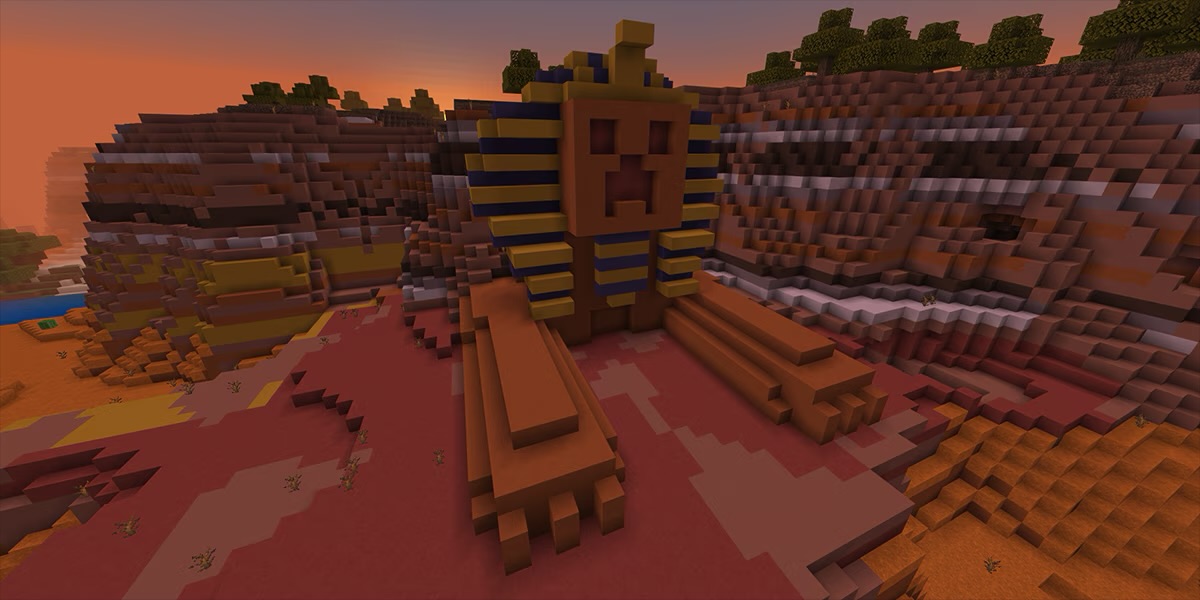
2026 changed that. A public server project called "New Veridian" completely rethought underground city design. Instead of a flat cavern, they built vertically, using height variation to create different districts at different elevations. They integrated water mechanics not just for function but for atmosphere. Those designed lighting that made the space feel alive rather than like a parking garage. Most they built infrastructure: roads, gathering spaces, commercial areas.
Another project, "Lumina," took underground architecture in a different direction. Glowing vines everywhere. Bioluminescent everything. Custom lighting that turned what could've been depressing into something genuinely beautiful. It didn't feel like you were mining - it felt like exploring an alien world that happened to be underneath the surface.
Here's what nobody expected: these cities actually became community hubs. People wanted to live there. Servers restructured their entire economy around these builds. NPCs were set up, shops opened, events happened. The builds became functional rather than just decorative.
Collaboration Changed Everything
The truly viral moments in 2026 happened when communities stopped thinking about individual builds and started thinking about shared worlds.
One server ran a "World Wonder" initiative where hundreds of players could contribute to massive collaborative monuments. Cheesy concept, right? Wrong. So it worked because every contributor got credited on a lobby sign. Your section was visible. Your style was part of the whole. People worked harder on it because they knew their contribution mattered. You could walk through the monument and literally see where different players had contributed based on their building style.
Another project built a functioning marketplace where player-built shops existed alongside community structures. Some individual shops were mediocre. The marketplace as a whole? Incredible. The builds weren't masterpieces in isolation, but together they created something living and dynamic.
The pattern became clear: the most successful collaborative builds weren't museums. They became places where things happened. Tournaments in custom arenas. Shops selling things. Events. Reasons to come back.
The Tools Nobody Talks About But Everyone Uses
These massive builds didn't happen by accident, and they definitely didn't happen through manual block-placement alone.
World Edit, schematic tools, and server plugins let players focus on what matters: design and vision. Manually placing 100,000 blocks isn't creative - it's punishment. Modern building tools removed that friction.
Some of the most impressive "vanilla-looking" builds in 2026 were actually running light modifications that added textures, decorative options, or utility improvements. The line between vanilla and modded blurred significantly. Most Java servers running serious community projects use some form of building plugins.
If you're working on your own builds and need custom signage or text elements, the Minecraft Text Generator tool can help you create professional-looking signs and labels without needing to learn command syntax.
How To Find And Join These Communities
Want to see what you've been missing?
The Minecraft Server List on minecraft.how is your starting point. Filter by active player count and look for servers with dedicated build regions mentioned in their descriptions. Many host their active projects on Discord where you can see work-in-progress shots and get a feel for whether you'd fit the community.
Reddit's r/Minecraft still breaks viral builds first. Sort by top posts from the last month and you'll find documentation of current projects. Check the comments - creators often link to their Discord, server IP, or YouTube channels showing behind-the-scenes footage.
Here's what surprised me about 2026: some of the best builds happened on smaller, friend-group-run servers that never hit Reddit's front page. They didn't have millions of views, but the build quality was sometimes higher because everyone actually knew each other and cared about the result, not the clout.
Starting your own community build project isn't as hard as it sounds. Pick a theme, recruit friends who are interested, set clear expectations, and start small. Finish one section before moving to the next. Document your progress. People want to follow along with the journey.
What Made 2026 Different
Minecraft has been around for 17 years. The community builds of 2026 didn't happen because the game got better - it happened because the people playing got better at collaborating.
Better documentation tools. More streaming platforms. Discord making it easy to coordinate across continents. Younger players growing up watching build videos and learning techniques. Older players finally having the free time to dedicate serious hours to projects. It all aligned.
And honestly? People needed it. After everything, the idea of joining 50 other players to build something beautiful and functional felt good. It felt like community. What you get felt like purpose.
The viral builds of 2026 won't be the last. If anything, the bar got higher. Next year's community projects will be bigger, more intricate, and more collaborative. But 2026 was when everyone realized how high you could actually go if you committed to the vision and got people to believe in it with you.

Lead writer at minecraft.how. Long-time Minecraft player running a small SMP server, testing every build, mod, and seed before writing about it.