Minecraft 26.2 Snapshot 7: Java's Social Makeover

Snapshot 7 of version 26.2 finally does what mods have been doing for years: it brings native multiplayer and friends functionality to Minecraft Java Edition. No more third-party addons. No more complicated setup. Open your world, invite your friends, and play together. That's it.
The Friends List That Java Needed
Let's be honest. Java Edition went way too long without a built-in friends system. You could join servers, sure, but inviting someone to your single-player world? Real talk, that required Essential Mod, which isn't exactly lightweight, or you were stuck dealing with external Discord links and IP sharing.
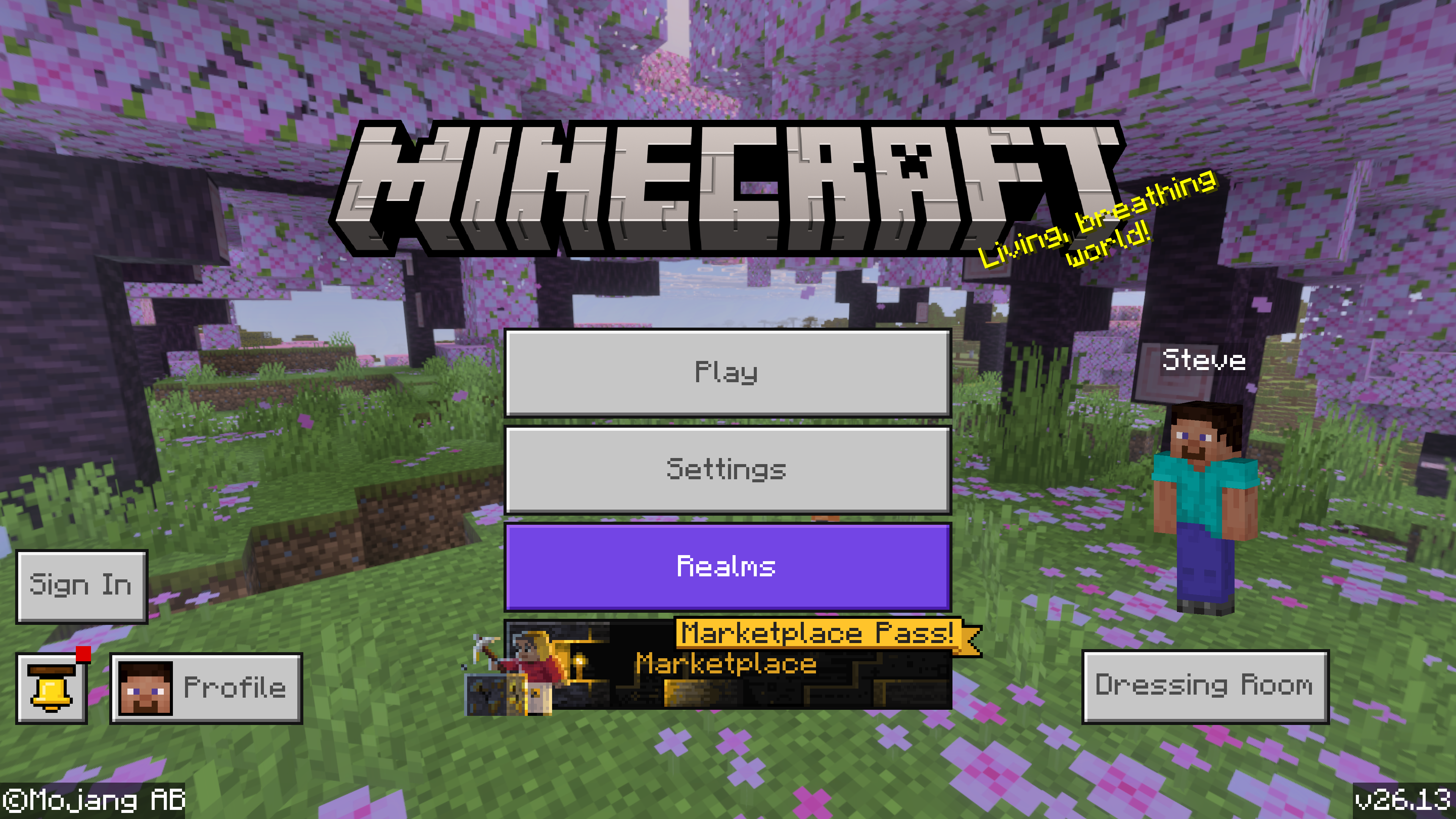
Snapshot 7 changes that. There's now a dedicated Friends button accessible from both the title screen and the pause menu. Click it, and you'll see what your friends are doing. Online. Offline. Playing on servers. It's straightforward, which honestly feels revolutionary for Java Edition.
The system works with Java Edition players only (so don't expect to see your Bedrock friends here), but that's a reasonable limitation. Getting Java users to even have a native friends list is the real win.
Opening Your World to Others
The new Multiplayer Options menu is where the magic happens. You can now invite friends directly to your single-player world without abandoning your progress or converting everything to a server. For casual players who just want a friend or two to visit their base, this is game-changing.
You invite friends through the menu. They receive an invitation and can accept or decline. If they accept, the world opens up for peer-to-peer connectivity. No server hosting fees. No complicated port forwarding (though it's still technically possible to configure, if you're into that).
The system also lets your friends invite you. And if someone gets annoying? You can block them directly from the menu.
Peer-to-Peer Multiplayer Without the Headaches
Here's the technical part that actually matters: Mojang's implemented direct peer-to-peer connectivity for Java Edition. That means your worlds connect without passing through official servers. Lower latency. More privacy. Faster response times when you're mining together or building something elaborate.
This was Essential Mod's main appeal back in the day, honestly. The fact that Mojang is building this functionality directly into the game eliminates a major pain point. You don't need to trust a third-party mod developer with your world files anymore.
There's one caveat (which is worth noting, even though I generally avoid that phrase): the peer-to-peer system works best when one player hosts and others connect. It's not peer-to-peer in the sense of a fully decentralized network, but it's still vastly better than the old workarounds.
Organizing Your Multiplayer Setup
If you're planning to bring your friends together, take some time to think about server rules and whitelist management. Snapshot 7 doesn't automate all the tedious admin stuff, and for good reason. You'll still want to organize what's allowed on your server and who gets access.
Tools like our Minecraft Whitelist Creator can help you quickly generate a whitelist for players you trust. It beats manually entering usernames. And if you're building collaborative structures, you might need to reference blocks and coordinates, which is where the Minecraft Block Search comes in handy for tracking specific materials.
Setting up systems early matters. Build your whitelist before inviting people. Decide on shared resources and building rules in advance. Trust me, those conversations get messy after someone's already halfway through the world.
When Does This Hit the Main Release?
Snapshot 7 is testing right now. Full release dates for these features haven't been officially locked in, but Mojang's moving at a solid pace. Snapshots typically spend 2-4 weeks in testing before becoming part of a major release.
Version 26.2 is expected to hit full release sometime in the coming weeks, though Mojang keeps that kind of schedule pretty close to the vest. The good news is that if you want to test these features right now, you can grab the snapshot and experience them. Just remember snapshots can be unstable, so definitely back up your worlds if you're testing on a world you care about.
And honestly, this is shaping up to be a must-play update for anyone who plays Java Edition with friends. After years of watching Bedrock get all the social features, Java Edition is finally catching up.
What This Means for Java's Future
This update signals that Mojang's committed to modernizing Java Edition beyond just adding new blocks and biomes. Social features, quality-of-life improvements, better multiplayer support. These aren't flashy, but they're the kind of changes that keep a game alive and fun for casual players.
For content creators and streamers, this opens up new possibilities for collaboration. Running a friends-only world is suddenly viable without server hosting costs or technical complications. For everyday players, it means you can finally stop feeling like Java Edition is stuck in 2012 for multiplayer.
The peer-to-peer system especially feels like the future. As Mojang iterates on this, we'll probably see even more improvements. Better connection stability. Reduced latency. Maybe eventual support for larger player counts without needing a dedicated server.