Minecraft Amethyst: Complete Guide to Crystals and Geodes
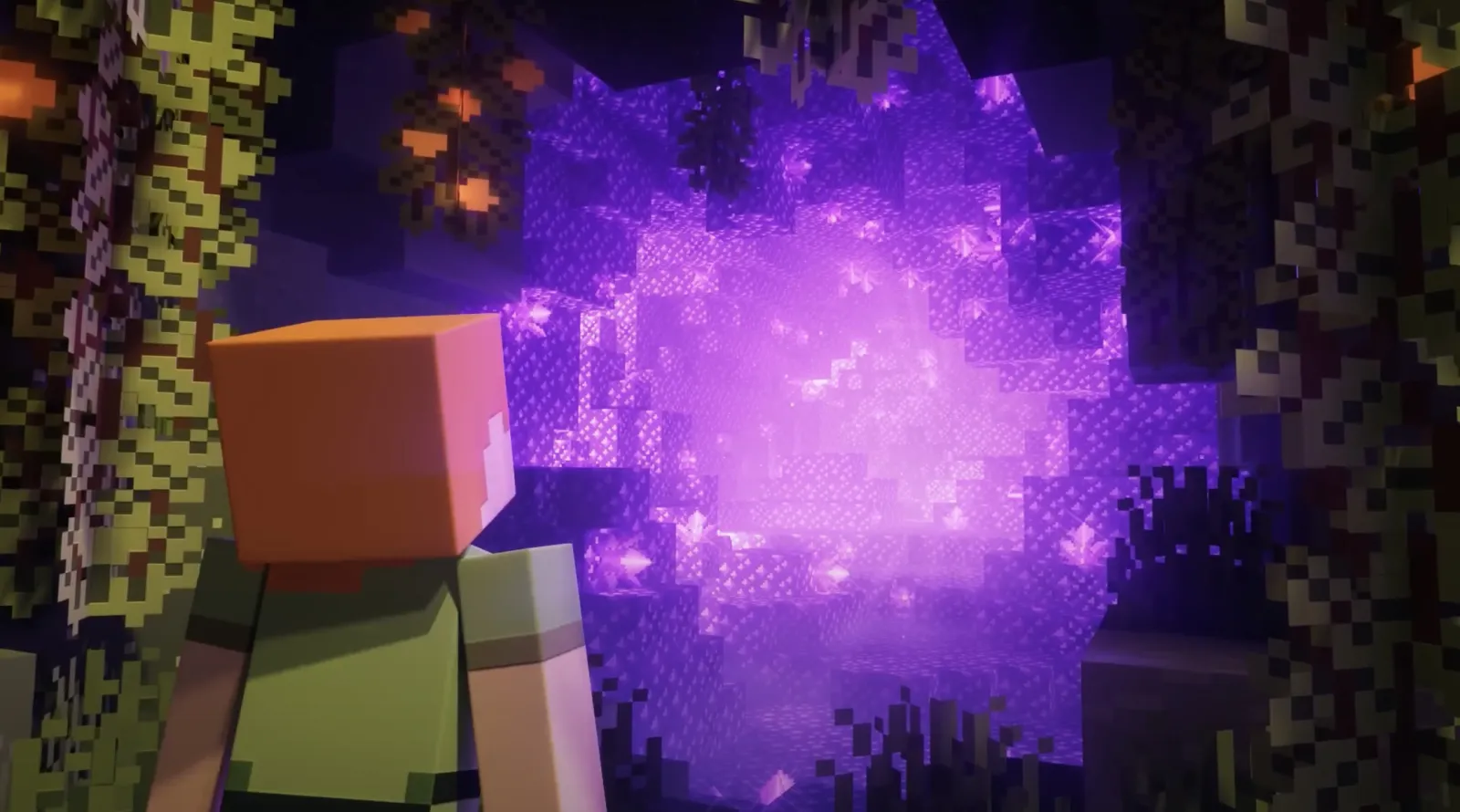
Amethyst in Minecraft started showing up in caves around version 1.17, and honestly, it's become one of my favorite resources to hunt for. You get it from amethyst geodes - those gorgeous purple crystal formations that generate in the deep dark and lush caves. They're beautiful to look at, genuinely useful for crafting, and mining them feels rewarding in a way that regular ore doesn't.
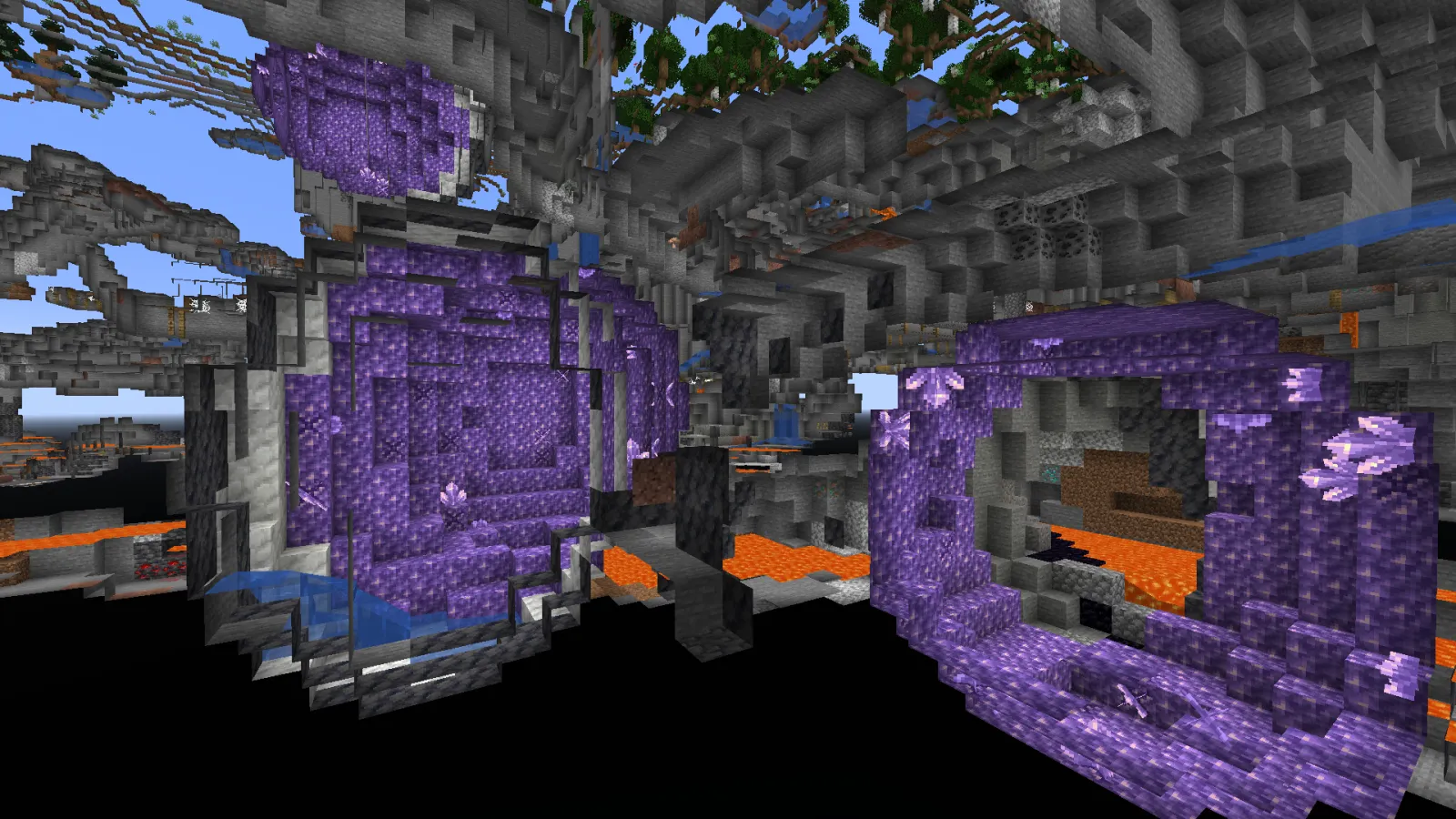
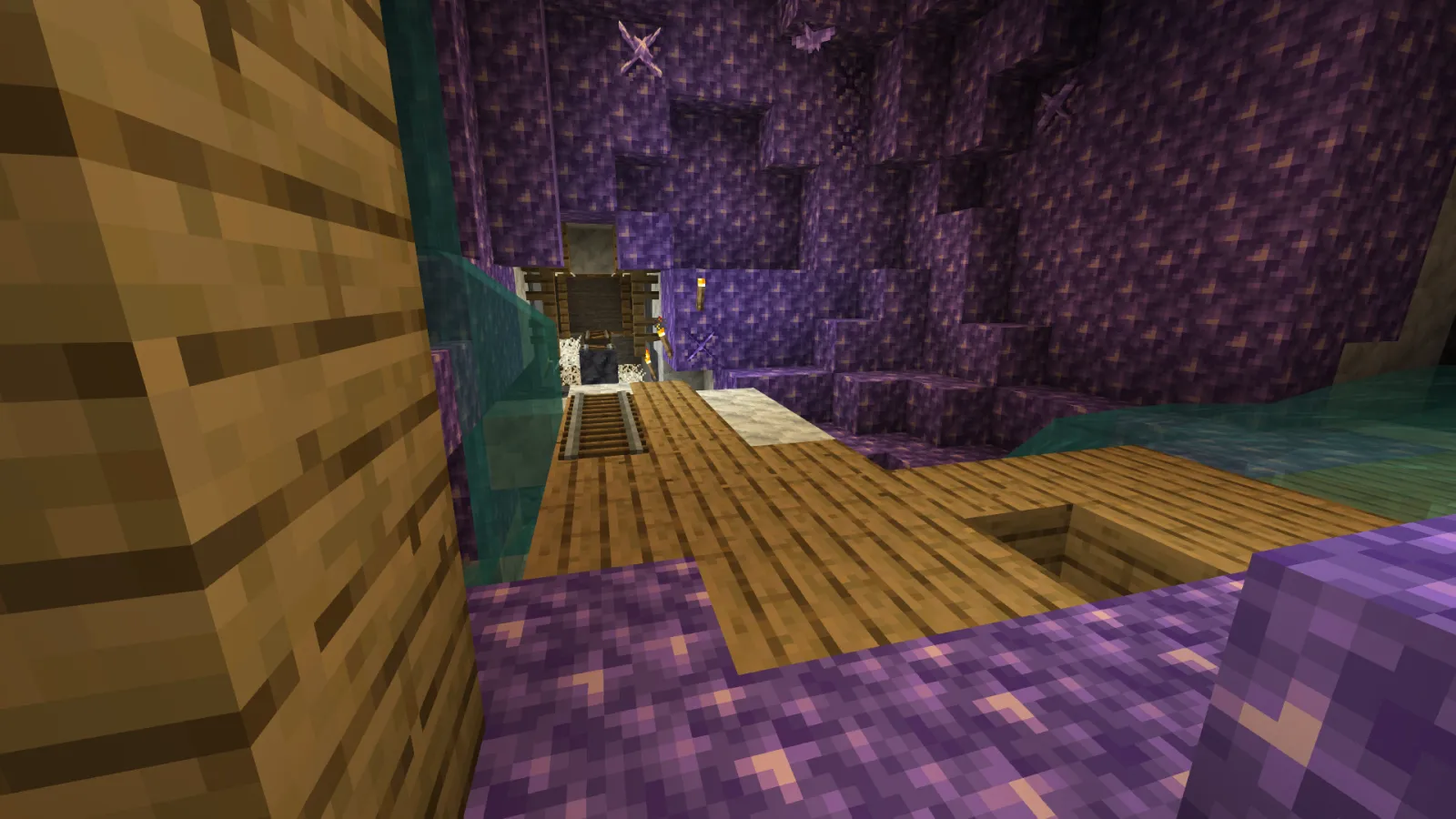
The geodes themselves are spherical clusters of amethyst blocks with distinct layers. When you crack one open, you'll find budding amethyst blocks inside, which slowly grow into crystal points if left undisturbed. But if you're impatient (and let's be honest, most players are), you can break them with a pickaxe to get amethyst shards directly.
Actually, wait - you need at least an iron pickaxe to harvest anything from them. Anything less and the crystals won't drop.
Where to Find Amethyst Geodes
Amethyst geodes generate between Y-levels -64 and 32, though you're most likely to spot them in deep cave systems. They're relatively rare - you won't find one every ten minutes - but they're common enough that dedicated mining sessions pay off. In version 26.2, the generation hasn't changed, so the same strategies that worked last month still work.
I spent an afternoon on my SMP server digging through the lush caves looking for amethyst. Found three geodes in about two hours of solid mining. Your mileage will vary depending on how thorough you're and whether you're exploring efficiently, but the point is they're out there.
What makes them easier to spot than you'd think is their visual distinctiveness. The purple color stands out against the grays and browns of stone and deepslate. Even a partially exposed geode catches the eye if you're paying attention while exploring.
Mining and Harvesting Tips
Bring an iron pickaxe minimum, preferably with Unbreaking and Efficiency. Efficiency makes the job go faster, and Unbreaking saves you trips back home to repair. When you crack open a geode, you've got options for how to harvest it.
The budding blocks themselves won't produce anything if you break them - you only get shards from the crystals that have fully grown on the budding blocks. So most players follow this strategy:
- Break all the visible crystals with a pickaxe to grab shards
- Leave the budding blocks alone (or harvest them with silk touch if you want them for decoration)
- Grab the calcite and smooth basalt around the geode for building material
Here's something useful: the crystals regrow if you leave the budding blocks intact. If you find a geode on your server, you can actually check back later and get fresh crystals. The regrowth rate is slow enough that farming isn't practical compared to just finding new geodes, but it's nice to know you can harvest from the same spot twice.
Silk touch is worth the enchantment here if you want the decorative blocks.
Crafting Uses for Amethyst Shards
Amethyst shards are used in exactly three crafting recipes, and all three are actually worth doing. First up is the spyglass - two copper ingots plus one amethyst shard gets you a telescope that lets you zoom in on distant terrain. Incredibly useful for scouting builds or just admiring landscapes. I use these constantly.
Calibrated sculk sensors are the newer use (added in version 1.20), and they're genuinely clever if you're into redstone. They only detect vibrations on a specific frequency you set, making them way more precise than regular sculk sensors. You need one sculk sensor and one amethyst shard.
Block of amethyst is purely decorative. You craft four shards plus one calcite into one solid purple block that looks excellent in builds if you're going for a mystical or crystalline aesthetic. The math isn't great if you're farming purely for decoration, but aesthetically it works.
For complete details on decorative options, check out our Minecraft block search tool - it's helpful for finding specific textures and comparing building materials side by side.
Using Amethyst in Builds
Here's where amethyst gets genuinely interesting creatively. The purple color isn't common in vanilla Minecraft without mods, so amethyst blocks become a natural focal point. I've seen players use them for wizardry-themed structures - purple crystalline towers, enchanting rooms with amethyst decorating the walls. It slots right into that fantasy aesthetic in a way few other vanilla blocks do.
Some players excavate and expand geodes into underground homes. The natural crystal formations look incredible as interior decoration, and the purple ties the whole space together visually. So it feels intentional in a way that random purple wool never does.
Modern buildings benefit less obviously, but you can make amethyst work in minimalist designs if you're strategic about placement. Accent walls, hidden details, or contrast surfaces. The durability and texture make it a solid building block even when it's not the main material.
Calcite and Smooth Basalt From Geodes
While you're harvesting amethyst, grab the other blocks from the geode too. Calcite is a white block with a speckled texture - surprisingly useful for minimalist builds or contrast surfaces. Smooth basalt is dark and uniform, good for modern or underground construction. These geode layers are ready-made design elements that reward thorough mining.
On my server, I've used buckets of calcite for borders and path edges just because I had it left over from geode mining. Sometimes the best building material is what surrounds what you're actually hunting for.
Setting Up an Amethyst Farm
Budding amethyst blocks will generate new crystals on any exposed surface automatically, even underground. Growth happens slowly - it takes real time for a new crystal cluster to fully develop - and you can't speed it up with bonemeal. So patience is the only requirement.
The practical application here's limited honestly. But if you want amethyst that regenerates slowly over time, or just like watching crystals grow, this is how it works. Some builders trap budding amethyst in display cases specifically because the crystals look cool mid-growth.
Don't expect this to replace mining new geodes for efficiency. But it won't.
Multiplayer Server Considerations
If you're running a multiplayer server and want to manage player access or infrastructure, understanding your technical setup matters. Real talk, for detailed guidance on server configuration and DNS management, our free DNS tool guide covers the technical options available.
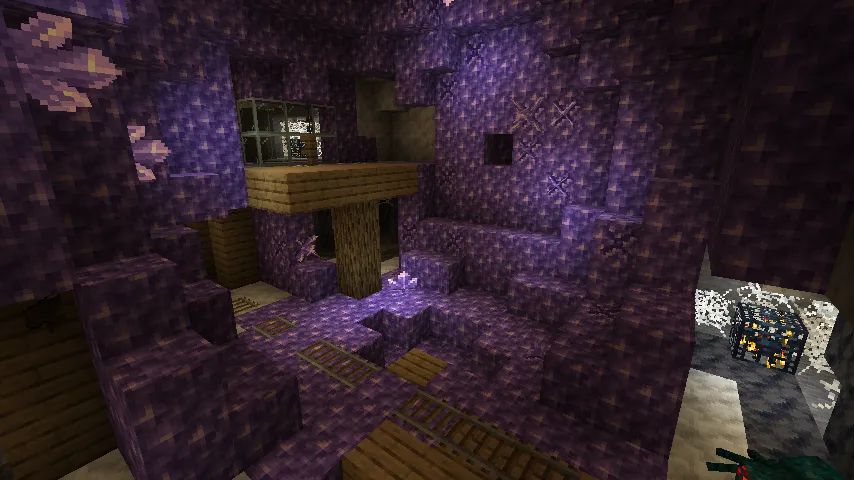
On community servers, amethyst hunting often becomes a group activity. The geodes are valuable enough that finding one becomes a mini-event. Some servers set up community mines with multiple geodes exposed for players to harvest from together.
Why Amethyst Matters
Amethyst was a needed addition to cave exploration. Before it showed up, caves were mostly about iron, diamonds, and mob XP. Now there's a specific, rewarding goal - "let's find amethyst geodes" - that plays differently than mining for ore. You're exploring with a different purpose.
The aesthetic appeal is real too. Crystals just look good. They appeal to the part of player brains that gets excited about shiny things in caves. That sounds silly, but it's honestly true - the visual payoff of cracking open a geode keeps mining engaging even when you're not getting diamonds.
Whether you're decorating your survival base or building an underground geode palace, amethyst gives you tools and beauty that didn't exist in earlier versions. That matters for player retention and building creativity.

Lead writer at minecraft.how. Long-time Minecraft player running a small SMP server, testing every build, mod, and seed before writing about it.
Veelgestelde vragen
How do I find amethyst geodes in Minecraft?
What pickaxe do I need to mine amethyst?
What can I craft with amethyst shards?
Can I farm amethyst renewable?
What other blocks come from amethyst geodes?
Have a Question or Tip about this Guide?Community Q&A
Ask a question or help other players below. Join the discussion and share your Minecraft tips!
Reacties
Nog geen reacties. Deel als eerste je gedachten!