Minecraft Caves and Cliffs: O Que Ainda Importa em 2026
Minecraft Caves and Cliffs ainda é a atualização que mais mudou como você joga minuto a minuto: altura do mundo, geração de caverna, estratégia de minério e ritmo de sobrevivência mudaram tudo, e essas mudanças ainda definem o jogo em 2026 tanto em Java quanto em Bedrock.
Minecraft Caves and Cliffs em 2026: O Que Mudou
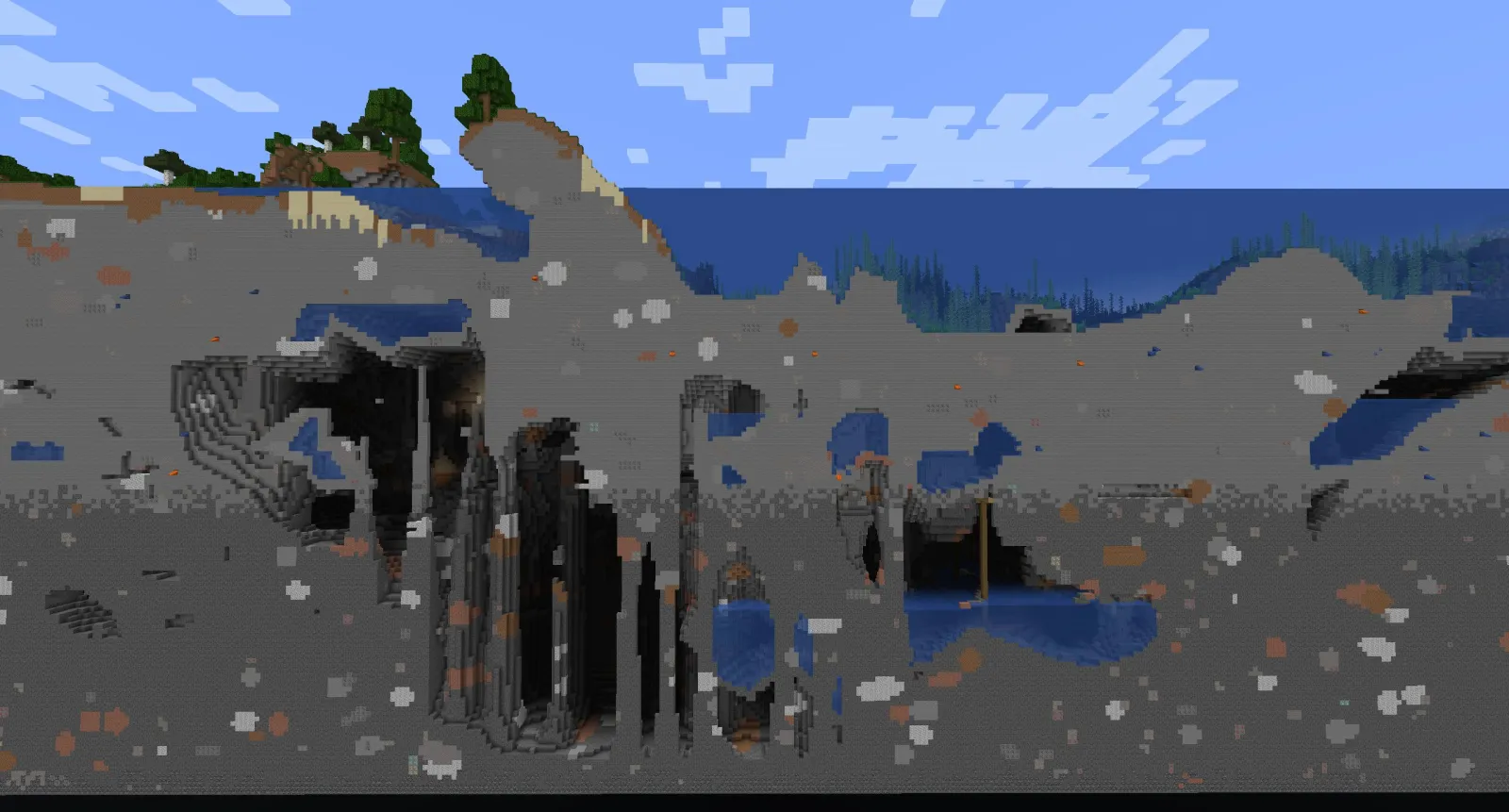
Se você começou depois da versão 1.18, provavelmente acha que cavernas gigantes, camadas de xisto profundo e rotas verticais de mineração sempre foram normais. Não eram. Caves and Cliffs reformulou o loop do jogo tornando o terreno menos previsível e muito mais vertical. Agora você não apenas cava uma escada e pronto, você lê o terreno, explora aberturas e decide se o risco vale a pena pelo ferro e diamantes abaixo de y0.
E essa mudança, profundidade com consequências, é por isso que essa atualização ainda importa em 2026.
Eu executo um pequeno SMP onde resetamos o mapa a cada poucos meses, e cada reset prova a mesma coisa: jogadores que tratam cavernas como velhos strip-mines são destruídos rapidamente. Os jogadores que tratam cavernas como mini-expedições progridem mais rápido, morrem menos e constroem bases iniciais melhores porque coletam recursos em quantidade enquanto exploram.
PCGamesN informou em março de 2026 que a cadência de drops da Mojang ainda é trimestral, com "Tiny Takeover" discutida para a janela 1.26.1. Isso é relevante porque as atualizações modernas tendem a adicionar recursos sobre os sistemas existentes e não os substituem. Então sim, Caves and Cliffs é antigo pelos padrões de atualização, mas ainda é a fundação sobre a qual outras mudanças se constroem.
Estratégia de Bioma e Minério Após Caves and Cliffs
Vamos falar sobre mineração prática. O velho conselho de escolher um nível Y e cavar para sempre é principalmente nostalgia agora.
A distribuição de minério se tornou sensível a bioma e altura, então sua rota importa tanto quanto sua picareta. Em 2026, a jogada mais inteligente é estratégia mista: reconhecimento rápido de superfície para caverna para carvão e ferro, depois expedições profundas direcionadas para redstone e diamantes. Se você está com falta de cobre, cavernas gotejantes e grandes sistemas de cavernas abertas ainda são excelentes porque volume de exposição vence a sorte aleatória de strip-mining.
Conjunto de regras rápidas que dou para membros novos do servidor:
- Carvão e ferro cedo: vá para montanhas e faces de pedra expostas primeiro, cavernas depois.
- Diamantes: mineração em galeria no nível de xisto profundo ainda funciona, mas mineração nas margens de caverna frequentemente vence se você estiver equipado.
- Redstone e ouro: priorize camadas mais profundas, depois construa túneis laterais seguros partindo de grandes cavernas.
- Lápis: não ignore cavernas de profundidade média, aglomerados de lápis são frequentemente mais fáceis lá do que em profundidade extrema.
Uma ressalva, na verdade, isso não é bem verdade para todas as sementes Bedrock. Alguns mundos Bedrock se sentem mais variáveis com densidade de minério exposto, então se as corridas em caverna não rendem, volte para mineração em galeria controlada mais cedo do que você faria em Java.
Além disso, rotas adjacentes ao deep dark têm alta recompensa e alto risco. Você pode contornar silenciosamente sculk para butim inicial, mas uma corrida apressada transforma seu mergulho de mineração em um mapa de horror que você não pediu.
Curva de Sobrevivência: Por Que o Início do Jogo se Sente Mais Difícil (e Melhor)
Já se perguntou por que o dia dois se sente mais desafiador agora mesmo se você jogou por anos? Cavernas são maiores, linhas de visão de mobs são mais longas, e movimento vertical pune falta de preparação. Danos por queda, enxames de mobs e momentos "de onde aquele esqueleto veio" acontecem mais porque o espaço é aberto e em camadas.
Mas é design melhor, honestamente. Você não pode forçar seu caminho em tudo com ferramentas de pedra e confiança.
Meu checklist de preparação de caverna de 20 minutos
- Crie um escudo primeiro, sempre.
- Traga mais blocos que comida no início, porque controle de terreno salva vidas.
- Carregue dois baldes de água quando ferro permitir, um para quedas, um para controle de lava.
- Use portas ou alçapões para criar pontos de redirecionamento de mobs temporários em bordas estreitas.
- Marque saídas a cada 30-40 blocos com marcas óbvias de tocha.
Essa lista parece básica, mas funciona. Testei em três servidores multiplayer com jogadores iniciantes, e o número de mortes caiu rapidamente depois que as pessoas começaram a bloquear ângulos em vez de confrontar mobs de frente.
Se você gosta de roleplay visual enquanto aprende rotas de caverna, skins podem ajudar sua equipe a identificar funções rapidamente (explorador, tanque, construtor). Usei a skin Minecraft gooncaves com estilo de caverna para nossas expedições de explorador, enquanto um companheiro pegou a skin Minecraft MHF_CaveSpider com tema de mob hostil. Puramente cosmético, claro, mas clareza de equipe importa mais do que as pessoas admitem.
Melhores Ideias de Base em Caverna Que Ainda Funcionam em 2026
A maioria das bases em caverna falha por uma razão: as pessoas constroem bonito primeiro, seguro segundo.
Inverta essa ordem. Comece com pontos de controle, depois com estilo. Em cavernas gigantes, seu primeiro objetivo é dominar movimento vertical e condições de spawn. Uma vez que você fixa isso, pode deixar a criatividade solta com pontes, salas suspensas e jardins de glow berry que parecem que alguém passou 200 horas em um trailer cinemático.
Layout confiável de base em caverna
- Plataforma de âncora: plataforma central com iluminação de lajes ao redor de seu armazenamento e cama principais.
- Espinha dorsal vertical: andaimes ou elevador de água para níveis superiores e inferiores.
- Cortes de perímetro: bordas com largura de 2 blocos esculpidas nas paredes da caverna para movimento de patrulha.
- Áreas de fazenda: pequenas zonas dedicadas para musgo, calcita e estruturas de aldião posteriores.
E sim, a estética de calcita e caverna exuberante ainda parecem ótimas juntas se você não exagerar nas fontes de brilho. Muitos blocos luminosos e sua base começa a parecer um estacionamento de supermercado.
Eu também gosto de usar temas de skin durante semanas de construção temática. Para centros de caverna luminosa, a skin Minecraft Glowingcaves para construções subterrâneas luminosas encaixa perfeitamente. Se você quer uma aparência de saqueador mais rude, a variante alternativa skin Minecraft gooncaves combina bem com paletas de xisto profundo e tuff.
Versão curta: reclame espaço, controle spawns, depois decore.
Java vs Bedrock, Desempenho de Console e Expectativas de 2026
A plataforma ainda muda como Caves and Cliffs se sente. Java oferece mais ferramentas de servidor e liberdade de mod, Bedrock oferece jogo mais suave entre plataformas com amigos em console e mobile. Nenhuma é "melhor" em abstrato, mas a travessia de caverna e comportamento de renderização podem se sentir diferentes o suficiente para que guias de estratégia sempre indiquem as suposições de edição.
The Loadout informou em 2024 que Mojang começou testes nativos de PS5 e planejou o lançamento naquele ano. Isso importava porque o terreno repleto de cavernas é exatamente onde o ritmo de quadros estável ajuda, especialmente durante lutas multiplayer em câmaras gigantescas. Se você está em PlayStation agora, verificar sua versão atual e configurações de desempenho antes de longas sessões de mineração ainda vale a pena, porque a complexidade do mundo penaliza padrões antigos.
Uma predição mais, e eu posso estar errado: Mojang continuará construindo atualizações em torno do atrito de navegação e comportamento de criaturas, não resets completos de terreno. Grandes reformulações de geração de mundo são caras e disruptivas, enquanto atualizações menores focadas em sistema mantêm mundos antigos relevantes. Então se você está esperando por "Caves and Cliffs 2", não prenda a respiração. Espere polimento e extensões, não uma reescrita completa.
Ainda assim, essa não é má notícia. Significa que as habilidades que você aprende agora - planejamento de rota, segurança vertical, controle de base em caverna - permanecem úteis em futuras atualizações.
Guia Minecraft Caves and Cliffs 2026
Se você só se lembrar de uma coisa, lembre-se disso: trate cavernas como um sistema de expedição, não um buraco no chão.
Prepare-se, planeje saídas, minerize de acordo com a lógica do terreno e construa com controle vertical primeiro. Faça isso e a atualização para de parecer perigosa de forma aleatória e começa a parecer recompensadora de forma consistente. Você obtém mais minério, menos mortes e bases mais legais sem repetir o mesmo túnel por duas horas questionando suas escolhas de vida.
E se seu amigo diz "vamos apenas pular e ver o que acontece", você já sabe o que acontece. Tela de respawn. De novo.
Fonte: Consultar a página de referência.

Lead writer at minecraft.how. Long-time Minecraft player running a small SMP server, testing every build, mod, and seed before writing about it.
Perguntas Frequentes
Por que as cavernas são mais desafiadoras agora?
Qual a melhor estratégia para mineração de minerais específicos em 2026?
Como construir uma base em caverna eficaz?
Por que a primeira semana de jogo se sente mais difícil?
Comentários
Nenhum comentário ainda. Seja o primeiro a compartilhar sua opinião!