Guia de Ghasts do Minecraft: Spawn, Drops e Cultivo
Ghasts são um dos poucos mobs hostis que realmente vale a pena cultivar propositalmente. Eles aparecem de forma previsível no Nether, soltam itens úteis (especialmente suas lágrimas) e uma boa configuração vai produzir muito mais do que caçar aleatoriamente. Aqui está tudo que você precisa saber sobre como eles funcionam e como cultivá-los de forma eficiente no Minecraft 26.1.2.
Spawn de Ghasts e Mecânicas
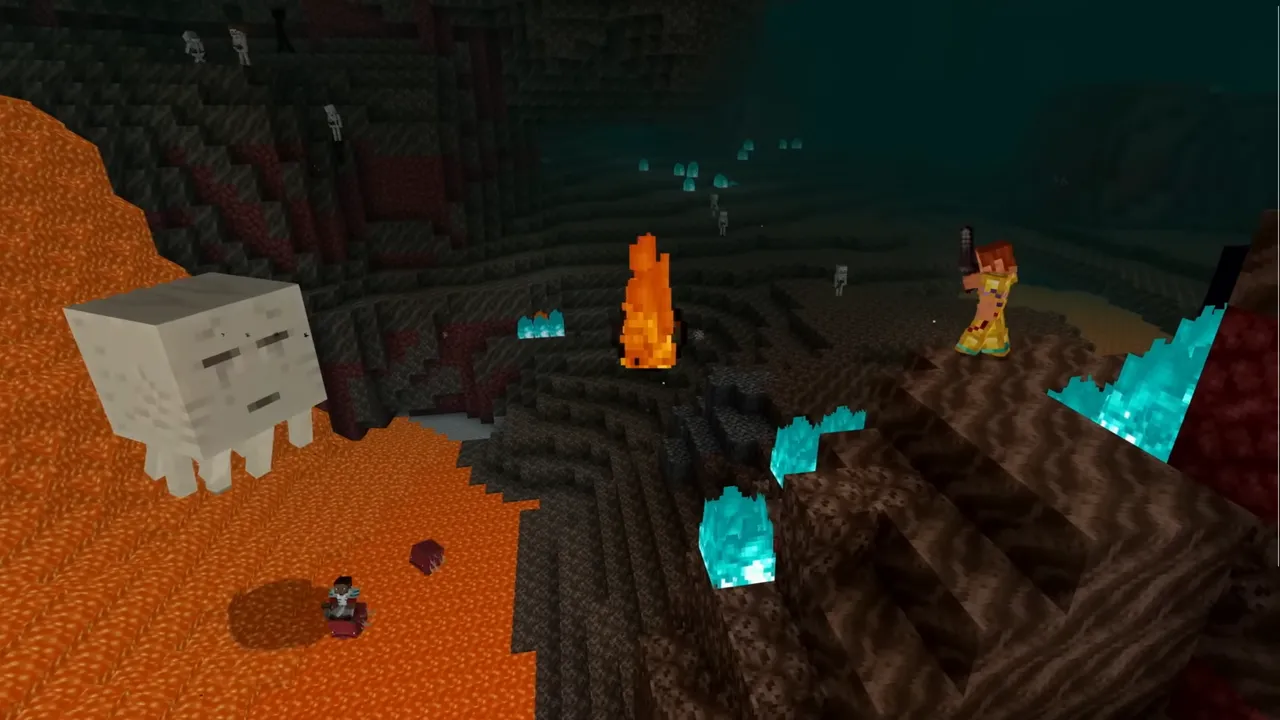
Ghasts aparecem exclusivamente no Nether e não se importam com níveis de luz. Ao contrário da maioria dos mobs que precisam de escuridão, ghasts vão aparecer com plena luminosidade. Isso os torna mais confiáveis para cultivar do que muitos outros mobs hostis.
O que os ghasts realmente precisam é de espaço vertical. Eles precisam de pelo menos 4 blocos de espaço vazio acima do local de spawn. Mas este detalhe é enormemente importante para o design da fazenda. Você não pode fazê-los aparecer em salas fechadas ou sob tetos baixos. Construa um teto e ghasts não vão aparecer debaixo dele, não importa o quão perfeitas sejam as outras condições.
Ghasts aparecem em qualquer bloco sólido no Nether - netherrack, soul sand, magma, lava, até mesmo terra se estiver levando. E isso significa que eles aparecem em todos os lugares naturalmente. Você vai vê-los voando acima de lagos de lava, em cavernas massivas e perto de penhascos. O único requisito é ter espaço aberto suficiente acima da superfície de spawn.
Isso é crucial para o planejamento da fazenda. Como ghasts aparecem em qualquer superfície com espaço vertical apropriado, você pode construir sua plataforma com qualquer material que quiser. Netherrack é barato, mas qualquer bloco sólido funciona. As taxas de spawn dependem de quantos outros mobs já estão carregados em seu mundo. Áreas limpas geram ghasts com mais frequência do que regiões cheias. É por isso que a maioria das fazendas dedicadas é construída longe de sua base principal - isolamento significa taxas de spawn mais altas.
Uma última coisa sobre o comportamento: ghasts são hostis, então atacarão se você se aproximar. Eles disparam bolas de fogo que destroem blocos. Essas se movem constantemente e de forma imprevisível. E ghasts sofrem dano por queda. A maioria dos mobs voadores ignora isso, mas ghasts não. Este último detalhe é útil para certos designs de fazenda.
O Que Ghasts Soltam e Por Que Importa
Cada ghast morto solta em média 0-1 lágrimas de ghast e 0-2 pólvora. As lágrimas são o que torna o cultivo valioso. Pólvora é bônus, mas creepers dão pólvora de forma mais confiável.

Lágrimas de ghast permitem craftar end rods, brewing stands e alguns itens especiais. Se você está construindo na dimensão End ou preparando poções seriamente, você precisa de suprimentos constantes de lágrimas. Caçar ghasts aleatoriamente no Nether desperdiça enormes quantidades de tempo. Uma fazenda entrega lágrimas sob demanda.
A economia é clara. Além de sobrevivência no início do jogo, uma fazenda faz sentido se você faz atividades de endgame. Para jogadores casuais, é opcional. Mas uma vez que você chega ao ponto em que precisa de lágrimas regularmente, o cultivo fica dramaticamente mais rápido do que caçar.
Projetando Sua Primeira Fazenda
A fazenda de ghast mais simples em funcionamento tem três componentes: uma plataforma de spawn, um mecanismo de morte e um sistema de coleta. Você constrói uma plataforma aberta onde ghasts aparecem. A maioria dos jogadores adiciona uma forma de matá-los rapidamente. Seus drops caem em hoppers que levam a um baú de coleta.
Aqui está uma configuração concreta. Construa uma plataforma com pelo menos 15-20 blocos acima do terreno circundante. Isso dá aos ghasts espaço para aparecer livremente. Mantenha a plataforma aberta e espaçosa, sem cercá-la. Quando ghasts aparecem, pistons repetidores os empurram para uma câmara de asfixia. É apenas um corredor estreito com pistons apontando para dentro de ambos os lados. Ghasts sofrem dano com cada empurrão até morrer. Seus drops saem por hoppers abaixo.
O bom é que funciona em qualquer hora, em qualquer clima. Você pode observar funcionando ou voltar depois de algumas horas para coletar.
Quer algo mais complexo? Alguns designs usam canais de água para canalizar ghasts para zonas de morte. Outros os empurram para a dimensão End onde são neutros e mais fáceis de matar. Algumas configurações usam dano por queda em vez de asfixia. Mas honestamente, a menos que você precise de quantidades absurdas de lágrimas, a abordagem básica com pistons produz o suficiente.
Construir isso requer compreensão de spawn de mobs, redstone básica e navegação no Nether. É trabalho de nível intermediário. Não é trivial, mas realizável se você jogou por algum tempo. Antes de se comprometer com uma grande construção, verifique a estabilidade do seu servidor com o Minecraft Server Status Checker. Nada é pior do que passar horas construindo e depois descobrir problemas de servidor. Também pense bem sobre a localização. Construa longe de sua base principal em uma região vazia do Nether. Você quer isolamento para que sua fazenda não interaja acidentalmente com outros projetos.
Cultivo AFK Versus Cultivo Ativo
Fazendas de ghast realmente automáticas e que não exigem qualquer intervenção existem, mas são muito complicadas. Você precisaria de blocos de comando programados com scoreboard para detectar ghasts, depois acionar mecânicas complexas para garantir mortes. É possível se você souber programar blocos de comando. Mas a maioria dos jogadores não se incomoda com isso.

Uma abordagem semi-AFK funciona melhor. Construa uma fazenda simples que você pode verificar a cada 10-20 minutos. Deixe-a funcionar enquanto você faz outras coisas próximas. Isso ainda produz muito mais lágrimas do que caçar aleatoriamente, sem o incômodo da automação total.
Teste seu design primeiro. Observe como os ghasts realmente interagem com sua plataforma. Note quais escapam, quais são capturados. Use esses dados para iterar e melhorar. Toda fazenda melhora através de observação.
Fazendo Sua Fazenda Parecer Intencional
A maioria das fazendas de ghast são visualmente terríveis. Plataformas com pistons e hoppers por toda parte. Redstone em todos os lugares. Parece um campo de testes de alguém, não uma construção real.

Se você quer que pareça intencional, adicione um tema. Use blocos apropriados do Nether, como blackstone, soul sand ou bone blocks. Moldure sua plataforma adequadamente. Adicione abrigo ao redor da área de coleta. De repente parece que você construiu algo em vez de apenas colocar blocos aleatoriamente. Vá além se quiser. Use o Minecraft Text Generator para criar uma placa de entrada chique. Adiciona personalidade. Mostra que você pensou no projeto.
São pequenos detalhes, mas mudam a impressão de 'bagunça funcional' para 'construção real'. As reações das pessoas mudam drasticamente. Além do mais, você fica bem menos envergonhado ao mostrar para amigos.
Vale a Pena Cultivar?
Não é todo jogador que precisa de uma fazenda de ghast. Você poderia caçar ghasts aleatoriamente. Encontrar lágrimas em cidades End. Consegui-las através de negociações com aldeões. Caçar aleatoriamente funciona se você tiver paciência.
Mas uma vez que você chega ao ponto em que precisa regularmente de lágrimas, o cultivo fica dramaticamente mais rápido. Uma fazenda básica funcionando por poucas horas produz mais lágrimas do que dias de caça. A diferença de tempo é enorme. Cultivo de ghast é trabalho de nível intermediário. Requer conhecimento de spawn de mobs, redstone básica e navegação no Nether. Não é complicado, mas também não é trivial. Mas o ganho justifica o esforço. Uma vez funcionando, você tem lágrimas sempre que precisa. Isso te liberta para focar em projetos reais em vez de fazer grind.
Comece simples. Construa o design básico com pistons. Observe funcionando. Veja como ghasts realmente se comportam em sua configuração. Melhore a partir daí. É assim que boas fazendas evoluem. Você vai aprender coisas que se aplicam a projetos futuros também.

Lead writer at minecraft.how. Long-time Minecraft player running a small SMP server, testing every build, mod, and seed before writing about it.
Perguntas Frequentes
Onde e como os Ghasts spawnam no Nether?
Por que cultivar Ghasts é mais eficiente do que caçá-los?
Qual é o componente básico para uma fazenda de Ghasts funcionar?
Qual é a vantagem de usar dano por queda em designs de fazenda?
Comentários
Nenhum comentário ainda. Seja o primeiro a compartilhar sua opinião!