Melhores Designs de Fazenda de Ferro Minecraft 2026
As fazendas de ferro são uma das construções mais práticas que você pode fazer no Minecraft vanilla, dando-lhe ferro ilimitado sem nunca usar uma picareta. Vou guiá-lo pelos melhores designs para a versão 26.1.2, desde fazendas compactas iniciais até configurações totalmente AFK que o mantêm abastecido enquanto você está fazendo outras coisas.
O que exatamente é uma Fazenda de Ferro?
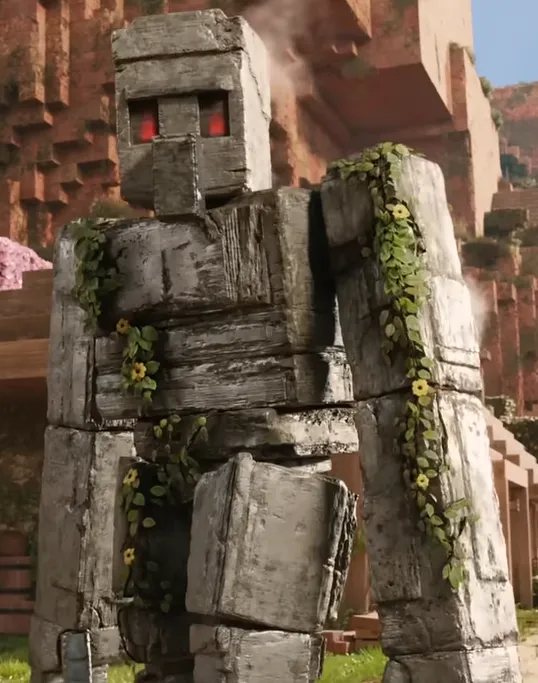
Uma fazenda de ferro usa mecânicas do jogo para fazer golems de ferro aparecer sob demanda, depois os mata automaticamente para coletar os drops. Parece um pouco sombrio, mas é assim que o jogo funciona. A ideia principal é que golems apenas aparecem quando aldeões estão por perto e não estão assustados, então você configura uma plataforma de aparecimento com as condições certas e deixa a fazenda fazer seu trabalho.
O acionamento acontece através do que é chamado "aglomeração de golems de ferro" - basicamente, você força mais golems em um espaço pequeno do que o jogo permite, causando dano. Ou você usa asfixia. Na verdade, existem várias maneiras de matá-los eficientemente, e diferentes designs favorecem métodos diferentes.
Por que construir um de qualquer forma?
Porque minerar ferro infinitamente é tedioso. Uma fazenda básica produz 150+ ferro por hora se você estiver semi-AFK, e os bons designs atingem 400-600+ por hora. Essa é a diferença entre precisar de ferramentas novas toda semana e ter ferro suficiente para construir trilhos cheios através de um continente inteiro.
Você também terá pepitas se tiver um triturador anexado, e os drops secundários se acumulam ao longo do tempo. Verdade seja dita, além disso, uma vez construído, não requer manutenção. Configure e esqueça.
Compacto vs. AFK: Qual Design se Encaixa em Você?
É aqui que fica interessante. Fazendas compactas são pequenas o suficiente para caber em uma base e podem ser totalmente automatizadas em um espaço pequeno (talvez 50x50 blocos). São perfeitas se você não quiser uma estrutura industrial massiva dominando seu mundo. Você consegue uma produção decente sem o pesadelo estético.
Fazendas AFK, por outro lado, são projetadas para que você simplesmente fique lá. Sem se mover, sem envolvimento ativo. São maiores e mais complexas de configurar, mas honestamente? Vale a pena se você tem o espaço. Você carrega os chunks, vai fazer um café, e volta para pilhas de ferro. Na verdade, deixa eu corrigir - você nem precisa estar totalmente AFK. Você pode apenas estar por perto fazendo outras coisas enquanto ela funciona ao fundo.
Designs totalmente AFK são outro nível completamente. Estes exigem que você esteja no alcance de renderização mas não fazendo nada, e a fazenda o alimenta com ferro indefinidamente. A configuração é mais exigente, porém.
As Mecânicas que Você Precisa Entender
Golems de ferro aparecem dentro de 48 blocos horizontalmente (e 44 blocos verticalmente) de um aldeão, mas apenas se não houver já um golem dentro desse alcance que eles "reivindicam". Você também precisa quebrar sua reivindicação de alguma forma - removendo a estação de trabalho, os assustando, ou espaçando as coisas para que não possam todos reivindicar uma área.
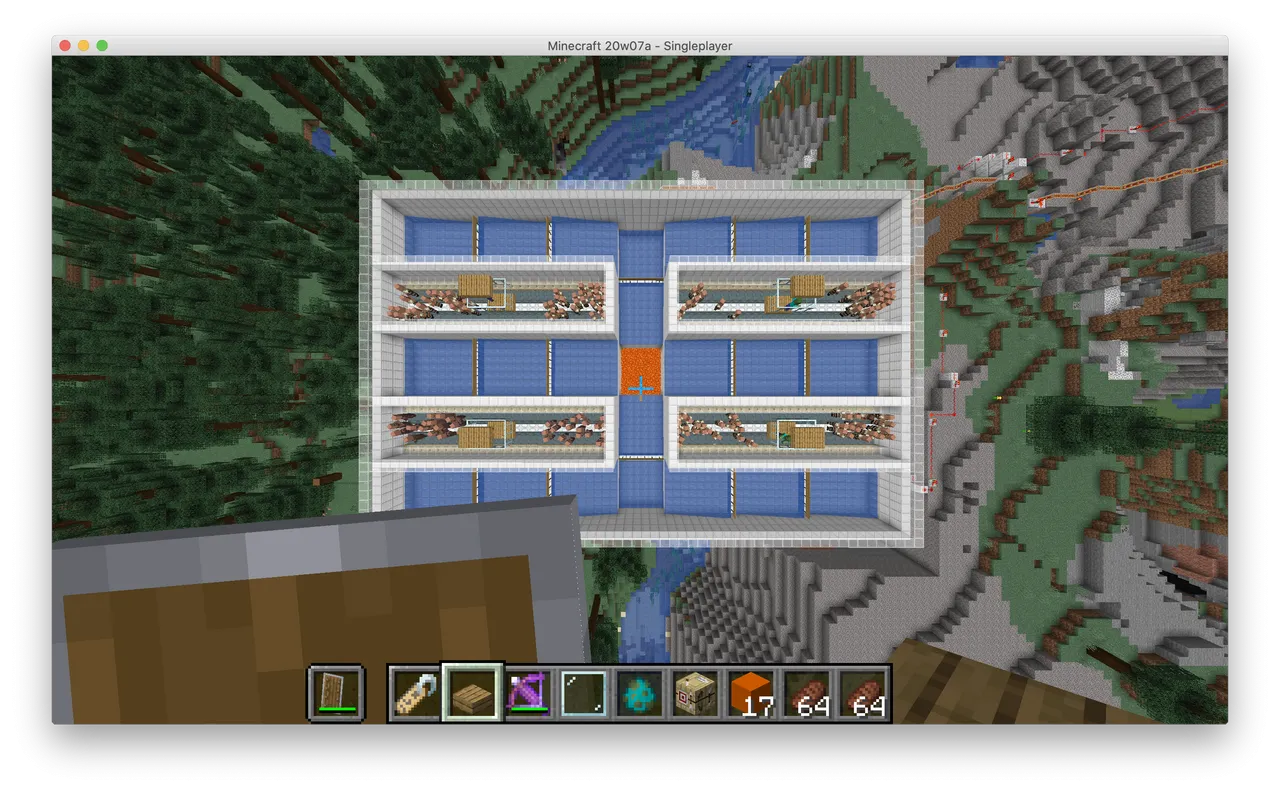
A plataforma de aparecimento em si precisa estar aberta no topo (nenhum bloco dentro de 48 blocos acima), e a fazenda funciona melhor quando você empilha plataformas. Você verá que a maioria dos designs usa uma plataforma 16x16 ou 16x10 porque é aí que as taxas de aparecimento atingem o pico sem precisar de estruturas massivas.
O posicionamento da água é crítico. Posicionamento errado mata sua taxa.
Designs Populares que Valem a Pena Construir
O design baseado em Piglin é honestamente superestimado. Sim, é compacto, mas as taxas são... adequadas. Não ótimas. Funciona no Nether, o que é legal se você já estiver configurado lá, mas jogadores de Java geralmente vão para outro lugar.
O design padrão baseado em aldeão é o que eu recomendaria para a maioria das pessoas. Você consegue uma fazenda de 2-3 níveis (duas ou três plataformas de aparecimento empilhadas), um sistema de coleta de água, e então um sistema para separar itens se quiser. A produção é sólida, a construção em si é direta, e você pode terminar em uma ou duas sessões. A ferramenta DNS minecraft.how é ótima para configurações de servidor, mas se você estiver jogando vanilla single-player, você está apenas colocando blocos e aprendendo a fazenda passo a passo.
Alguns servidores têm fazendas de mob especializadas, mas para pura moagem de ferro no vanilla 26.1.2, a fazenda de aldeão multi-nível é o caminho. Também existe o design "flying machine pusher" se você está em redstone, mas isso é exagero a menos que você esteja usando 10+ plataformas de aparecimento.
Construindo Uma Sem Perder a Cabeça
Comece pequeno. Sério. Construa uma única plataforma 16x16 primeiro, faça funcionar, depois pense em empilhamento. Você não precisa de eficiência de 99,9% logo de cara.
Você vai precisar de:
- Uma plataforma segura para seus aldeões (geralmente sob a área de aparecimento)
- Estações de trabalho (púlpitos ou compostador) para que fiquem no lugar
- Uma plataforma de aparecimento com as dimensões certas
- Canais de água levando a um ponto de coleta
- Um mecanismo de morte (asfixia, dano de queda, ou aglomeração)
- Coleta e classificação de itens (opcional mas recomendado)
O mecanismo de morte importa mais do que as pessoas pensam. Asfixia é confiável. Dano de queda é mais barato em materiais. Aglomeração é pouco confiável mas funciona se você estiver desesperado. Teste seu método escolhido em uma escala menor primeiro.
Além disso, encontre um bom local pelo menos 128+ blocos longe de qualquer golem de ferro gerado naturalmente. Sim, você pode construir em qualquer lugar com as mecânicas funcionando, mas você não quer interferência de golems de aldeia entrando em sua fazenda.
Alguns Erros Comuns
Esquecer que as estações de trabalho precisam estar dentro de 48 blocos do aldeão, e que o aldeão precisa realmente alcançá-la. Vi pessoas construindo fazendas lindas que produzem zero ferro porque os aldeões estão impedidos de acessar suas estações de trabalho.
O segundo é subestimar quanto espaço você realmente precisa. Distâncias de aparecimento horizontal, distâncias de aparecimento vertical, o raio de desaparecimento do golem - tudo se compõe. Uma fazenda que parece boa em um esquema pode ter baixo desempenho porque você leu errado uma dimensão.
A inconsistência de produção muitas vezes vem de canais de água errados. Até um único bloco fora do lugar redireciona o fluxo e o golem perde o canal de coleta inteiramente.
E Quanto a Personalizar Sua Construção?
Uma vez que você tem a fazenda básica funcionando, você pode caprichá-la como quiser. Adicione paredes, iluminação, uma sala de controle, o que se encaixa na estética do seu mundo. Algumas pessoas fazem suas fazendas parecerem templos ou fábricas. As mecânicas permanecem as mesmas - você apenas está a tornando bonita.
Se você também está trabalhando em outras partes de sua base, ter um suprimento de ferro automatizado significa que pode se concentrar em construir sem parar para coletar materiais. E se você precisar mostrar sua configuração para amigos, uma fazenda bem projetada parece genuinamente impressionante. Crie algumas skins personalizadas para seu personagem jogador usando a ferramenta Criador de Skin do Minecraft para celebrar a conclusão de sua fazenda.
A Conversa Real
Uma fazenda de ferro é obrigatória? Não. Mas uma vez que você constrói uma, você se perguntará como jogou sem ela. As horas economizadas se acumulam rapidamente. Na primeira semana apenas, você provavelmente economizará 5+ horas de mineração que pode gastar em projetos divertidos de verdade.
Comece com um design compacto. Aprenda as mecânicas. Expanda depois se quiser. Quando terminar, você entenderá o aparecimento de golems de ferro melhor do que 90% dos jogadores, o que é seu próprio tipo de satisfação.

Lead writer at minecraft.how. Long-time Minecraft player running a small SMP server, testing every build, mod, and seed before writing about it.
Perguntas Frequentes
O que é uma fazenda de ferro no Minecraft?
Qual é o design de fazenda de ferro mais recomendado para jogadores vanilla?
Quais são as principais diferenças entre fazendas compactas e AFK?
Qual é o mecanismo de morte mais confiável para golems de ferro?
Por que é importante testar o mecanismo de morte em escala menor?
Have a Question or Tip about this Guide?Community Q&A
Ask a question or help other players below. Join the discussion and share your Minecraft tips!
Comentários
Nenhum comentário ainda. Seja o primeiro a compartilhar sua opinião!