Рецепты Заклинаний в Minecraft: Вся Магия, Эффекты и Лучшее
Заклинания в Minecraft по-прежнему являются одними из сильнейших инструментов выживания в 2026 году: варите странное заклинание с помощью нитра, добавляйте правильный ингредиент для эффекта, затем модифицируйте красным камнем, глоустоуном, порохом или дыханием дракона. Умножьте эту цепочку один раз, и почти каждый рецепт внезапно становится понятным.
Заклинания в Minecraft в 2026: что изменилось?
Большинство старых гайдов не ошибочны. Они просто пропускают новую информацию.
Журнал изменений Mojang для версии 1.21 является ключевой гранью здесь, поскольку именно там официально вошли в игру Заклинания Infestation, Oozing, Weaving и Wind Charging. Поэтому, если гайд застыл до Tricky Trials, он по-прежнему хорошо учит основам, но пропускает четыре действительно реальные заклинания, которые звучат так, как если бы кто-то проиграл пари ветру.
И хотя 2026 год звучит так, как если бы должен прийти с драматическим переписыванием алхимии, этого не происходит. Пост Mojang от 3 марта о Tiny Takeover посвящен беби-мобам, золотым одуванчикам и крафтовым тегам, в то время как отчет PCGamesN за март 2026 указывает на тот же цикл выпусков без намеков на переписывание системы варки. Ваша комната для варки заклинаний переживает еще один сезон без изменений.
Если вы играете в Bedrock на консоли, пост Minecraft.net о запуске на PS5 был важнее, чем заметки о патчах для заклинаний. Native PS5 вышла 22 октября 2024 года с поддержкой 4K при 60 fps, и целивание по бутылочкам с эффектами feels меньше, чем в старом режиме совместимости PS4.
Как варить заклинания в Minecraft без запутывания
Хотите самую короткую логическую цепочку? Все заклинания в Minecraft на самом деле являются одной цепочкой рецептов с несколькими ветвями.
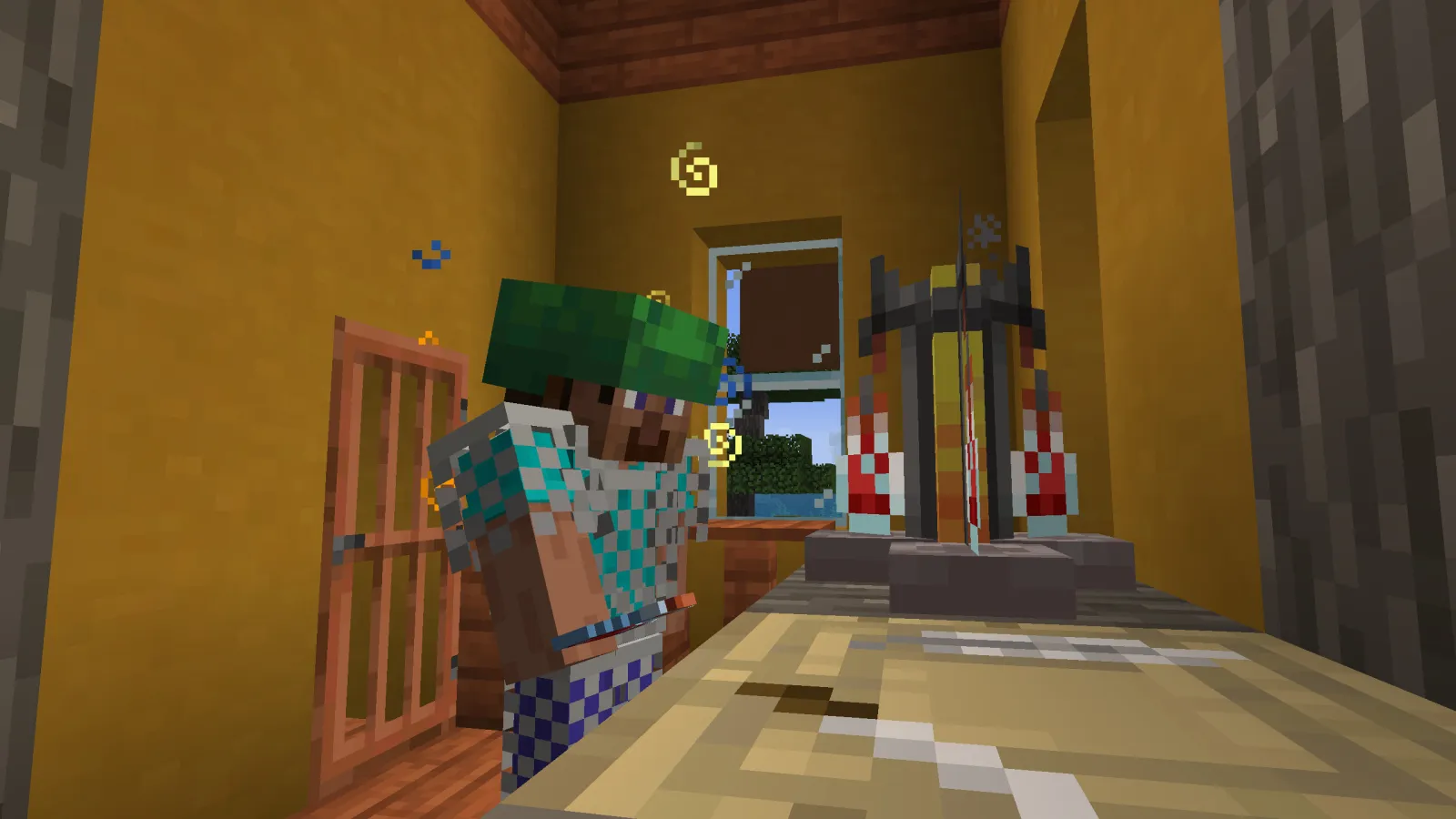
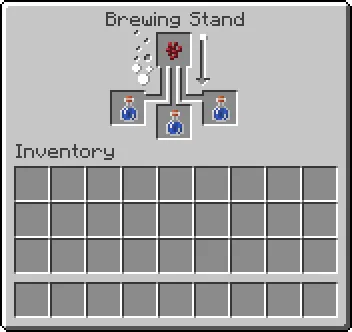
- Наполните станок для варки порошком из лавы.
- Разместите до трех водяных бутылочек в нижних слотах.
- Сварьте нитр в странный заклинание. Это основа для большинства эффектов.
- Добавьте ингредиент для эффекта, например, сахар для Ускорения или магму для Огнестойкости.
- Модифицируйте готовое заклинание красным камнем, глоустоуном, порохом, дыханием дракона или глазом пауков, если рецепт поддерживает это.
Слабость - это странное исключение. Оно начинается не со странного заклинания, а с простой водяной бутылки плюс глаз пауков.
Забавные и густые заклинания существуют в основном, чтобы расточить ингредиенты и смирить чрезмерно уверенных.
Модификаторы, которые стоит запомнить
- Порошок красного камня: продлевает продолжительность многих временных заклинаний.
- Порошок глоустоуна: увеличивает силу, если существует более сильная версия.
- Порох: превращает питьевое заклинание в бутылочку с эффектом.
- Дыхание дракона: превращает бутылочку с эффектом в лингеринг-заклинание.
- Глаз пауков: портит определенные заклинания, например, Ночное Видение в Невидимость или Исцеление в Урон.
Прямое попадание дает полный эффект, а частичное - меньше времени. Лингеринг-заклинания обменивают мгновенный эффект на контроль над зоной, и облако длится намного меньше, чем обычное питьевое заклинание. Я все еще использую их, но в основном для ловушек, подготовки к боссам или очень мелочеватого PvP.
Лучшие заклинания для варки в Minecraft
Вам не нужна стена из 40 цветных бутылочек, чтобы играть хорошо. Начните с тех, которые действительно меняют выживание.
Исследование и выживание
Ночное Видение, сваренное из странного заклинания плюс золотой моркови, по-прежнему является топ-тайером для пещер, затопленных руин и больших сессий по добыче. Огнестойкость, сделанная с магмой, превращает бегство из Нетера из смелого в разумное. Медленное Падение, из мембраны фантома, спасает ошибки с Элитра, скользкие острова Конца и строежи, которые стали слишком уверенными.
Подводное Дыхание, из рыбы-акулы, более ситуационно, но когда вам это нужно, вам действительно нужно. Ускорение, из сахара, - это скучный ответ, который продолжает выигрывать, поскольку половина выживания - это просто перемещение между фермами, деревнями, порталами и той самой катастрофой из красного камня, которую вы обещали себе исправить. И Исцеление, из блестящего кусочка дыни, - это чистый панический кнопка, особенно в форме бутылочек с эффектом.
Попробовали ли вы штурмовать bastion без Огнестойкости? Это не уверенность, это план лут-машины.
Бой, боссы и PvP
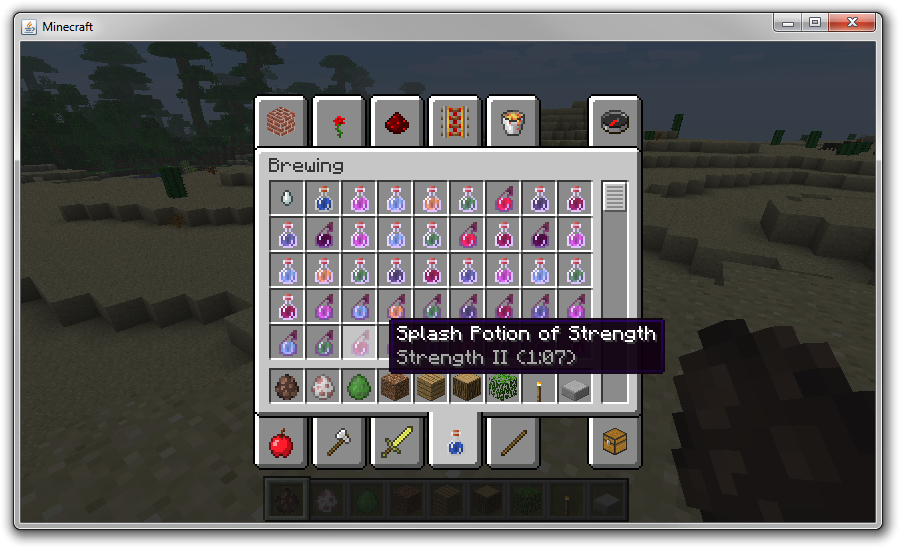
Сила, сваренная с порошком из лавы, - это очевидный выбор для урона. Восстановление, из слез гаста, часто работает больше в длинных боях, поскольку выживание еще нескольких секунд обычно лучше, чем выигрыш в теоретическом расчете урона. Тurtle Master, из черепашьего панциря, выглядит неуклюже из-за встроенной медлительности, но против Визера или в тесных аренах PvP оно может показаться абсурдно сильным.
На небольшом сервере Paper для дуэлей, который мы тестили с друзьями, бутылочка с эффектом Слабость решила больше бой, чем изящные имена мечей. Яд, сваренный с глазом паука, отлично подходит для давления. Урон получается из портки Исцеления или Яда с глазом пауков. И Слабость по-прежнему является бутылочкой, необходимой перед излечением зомби-жителя с золотым яблоком.
Невидимость хороша, но только с дисциплиной. Ваша броня все еще видна, что rather портит мистический образ убийцы, если вы шатаетесь в полном нитерите.
Каждое полезное заклинание в Minecraft на одном взгляд
Это рецепты, которые я действительно оставляю прикрепленными рядом с комнатой для варки. Не потому, что они сложны, а потому, что память превращается в суп, как только блейз начинает стрелять.
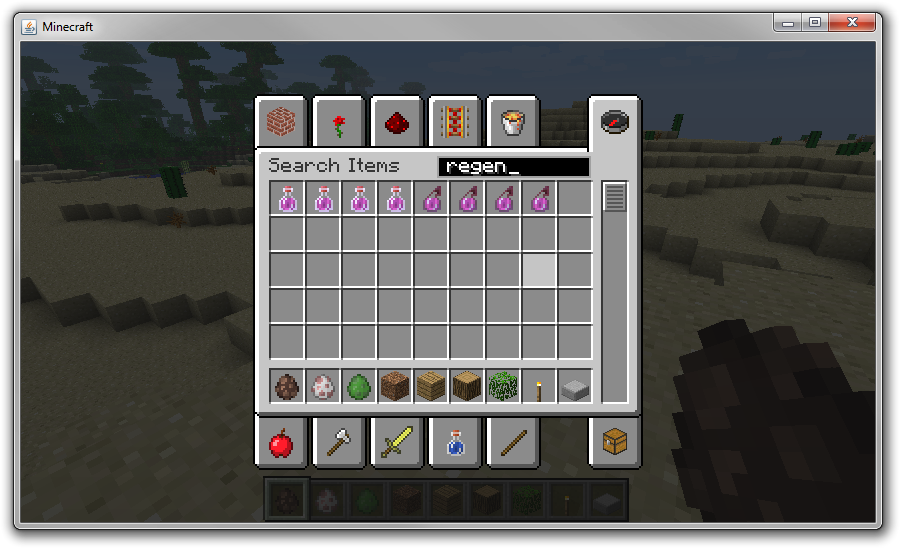
- Ускорение: странное заклинание + сахар. Лучший универсальный бафф для путешествий, и все еще отличный в PvP.
- Медлительность: обычно Ускорение или Прыжок плюс глаз пауков. Отлично как сплэш-контроль толпы.
- Прыжок: странное заклинание + кроличья нога. Помощь в мобильности, паркуре и偶альный PvP-фейс-офф.
- Сила: странное заклинание + порошок из лавы. Боссы, рейды, ближний бой, простое значение.
- Исцеление: странное заклинание + блестящий кусочек дыни. Неотложная помощь со здоровьем, еще лучше в форме бутылочек с эффектом.
- Урон: Исцеление или Яд + глаз пауков. Уронит живых целей, исцелит неживых, что является классическим абсурдом Minecraft.
- Яд: странное заклинание + глаз паука. Инструмент давления, но не чистый финишер сам по себе.
- Восстановление: странное заклинание + слеза гаста. Дорого, блестяще, стоит экономить на серьезные бои.
- Огнестойкость: странное заклинание + магма. Обязательно для серьезной работы в Нетере.
- Подводное Дыхание: странное заклинание + рыба-акула. Океанские памятники, затопленные корабли, подводное строительство.
- Ночное Видение: странное заклинание + золотая морковь. Работа в пещерах, подводная видимость, общий санитарий.
- Невидимость: Ночное Видение + глаз пауков. Лучше для разведки и скрытного прохождения, чем для открытого боя.
- Слабость: водяная бутылочка + глаз пауков. Одиночное исключение, и обязательное для излечения зомби-жителей.
- Медленное Падение: странное заклинание + мембрана фантома. Бой в Конце, восстановление Элитра, страх перед высокими строежами.
- Turtle Master: странное заклинание + черепаший панцирь. Большая защита, сильная медлительность, нишевое, но реальное.
- Infestation: странное заклинание + камень. Забавно, разрушительно, и честно говоря, более грубо, чем эффективно.
- Oozing: странное заклинание + слизневый блок. Убитые цели порождают слизней, что либо умно, либо глубоко раздражает.
- Weaving: странное заклинание + паутинка. Убитые цели оставляют паутину, очень сильное в замкнутых пространствах.
- Wind Charging: странное заклинание + ветряная палочка. Убитые цели выпускают взрыв ветра, отлично в ловушках и хаотических аренах.
Моя честная оценка 2026 года? Ночное Видение, Огнестойкость, Исцеление, Сила и Медленное Падение важны почти для всех. Четыре новых заклинания абсолютно реальны, но большинство игроков выживания будут относиться к ним как к специалистам, а не к дневному носящему.
Ошибки с заклинаниями, особенности версий и умные привычки в Minecraft
Самая большая ошибка - варка неправильной базы. Пропустите нитр, и большинство рецептов никуда не денутся. Сварите Слабость из странного заклинания из привычки и потратите время в пустоту. Забудьте о порохе в качестве топлива, и станок просто сидит, выглядя невинно.
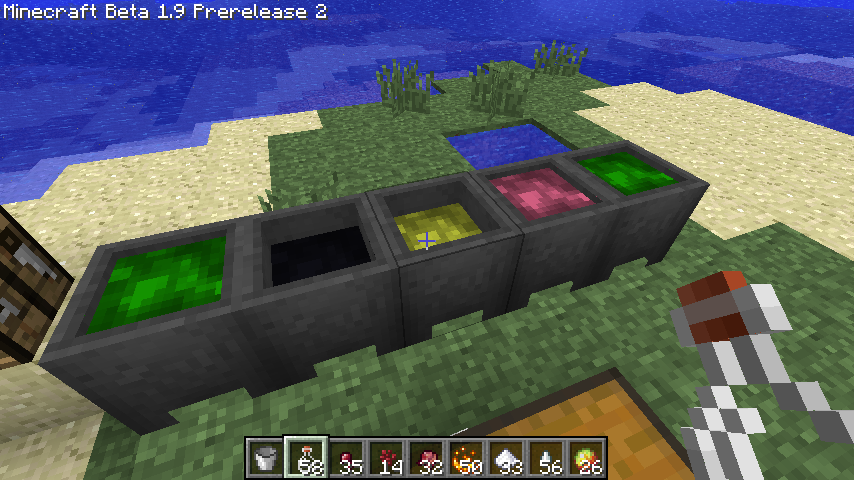
Вторая ошибка - апгрейд в неправильном порядке. Красный камень продлевает. Глоустоун усиливает. Порох делает его бросаемым. Дыхание дракона делает его лингерингом. Вы обычно не можете стэковать все апгрейды вместе, поэтому решите, хотите ли вы более длинную продолжительность, более сильный эффект, контроль над зоной или маленькую фиолетовую пудринку сожаления.
Я почти сказал, что заливание стрелок мудрено везде. На самом деле, это не совсем правильно для Bedrock, поскольку в Bedrock котлы делают это намного проще, чем в Java, о чем справочник по варке на Minecraft Wiki объясняет лучше, чем большинство гайдов. Та же страница о заклинаниях на Minecraft Wiki также перечисляет Potion of Decay как эксклюзив Bedrock, в то время как Luck остается в основном странностью команд и креативного режима в Java.
Комнаты для варки заклинаний выглядят круто. Гробницы, полные потерянных шулкер-боксов, - нет.
Итак, здесь разумный комплект: один утилитарный ящик для Ночного Видения, Огнестойкости, Подводного Дыхания и Медленного Падения, затем один боевой ящик для Исцеления, Силы, Восстановления и сплэш-Слабости. Пометите их. Будущий вы будете слишком заняты падением, горением или получением ударов от чего-то неуважительного, чтобы сортировать бутылки спокойно.
И если вам нравится наклоняться в сторону алхимика, potionspvp Minecraft кожа подходит идеально для ночей дуэлей, в то время как beeofpotions Minecraft кожа выглядит именно как человек, который держит пчел рядом с башней для варки и настаивает на том, что это нормальный выбор дизайна.
Если вы помните только пять рецептов, сделайте их Ночное Видение, Огнестойкость, Исцеление, Сила и Медленное Падение. Все остальное либо специализированная техника, либо очень забавный способ сделать ваших друзей подозрительными.

Lead writer at minecraft.how. Long-time Minecraft player running a small SMP server, testing every build, mod, and seed before writing about it.
Комментарии
Пока нет комментариев. Станьте первым, кто поделится своим мнением!