Minecraft Fan Art: Best Community Creations in 2026
The Minecraft community created some genuinely brilliant art in 2026. From custom skins that reimagine favorite characters to massive builds that push vanilla capabilities, the fan-made content keeps getting better. Here's what stood out and why it matters.
What's Happening in the Fan Art Scene
Minecraft fan art has evolved way beyond basic texture replacements and simple player skins. We're talking about artists who spend hundreds of hours creating intricate armor designs, full character backstories, and skins that tell a visual narrative. The community pulled off some seriously impressive stuff in 2026, and it's worth paying attention to.
What made this year different? The tools got better, sure, but that's not really it. Actually, I think the community just decided to go harder. More ambition, more collaboration, more willingness to push what a 64x64 pixel canvas can actually do. And when people push like that, they create something worth celebrating.
Community-driven creativity isn't a side thing anymore - it's central to how Minecraft evolves culturally.
The Skins That Caught Everyone's Attention
Custom Minecraft skins have always been the most visible form of fan art. They show up in every server, every streaming session, every multiplayer world. But 2026 brought some genuinely creative takes on character design that go beyond the usual anime references and retro gaming mashups (not that there's anything wrong with those, honestly).
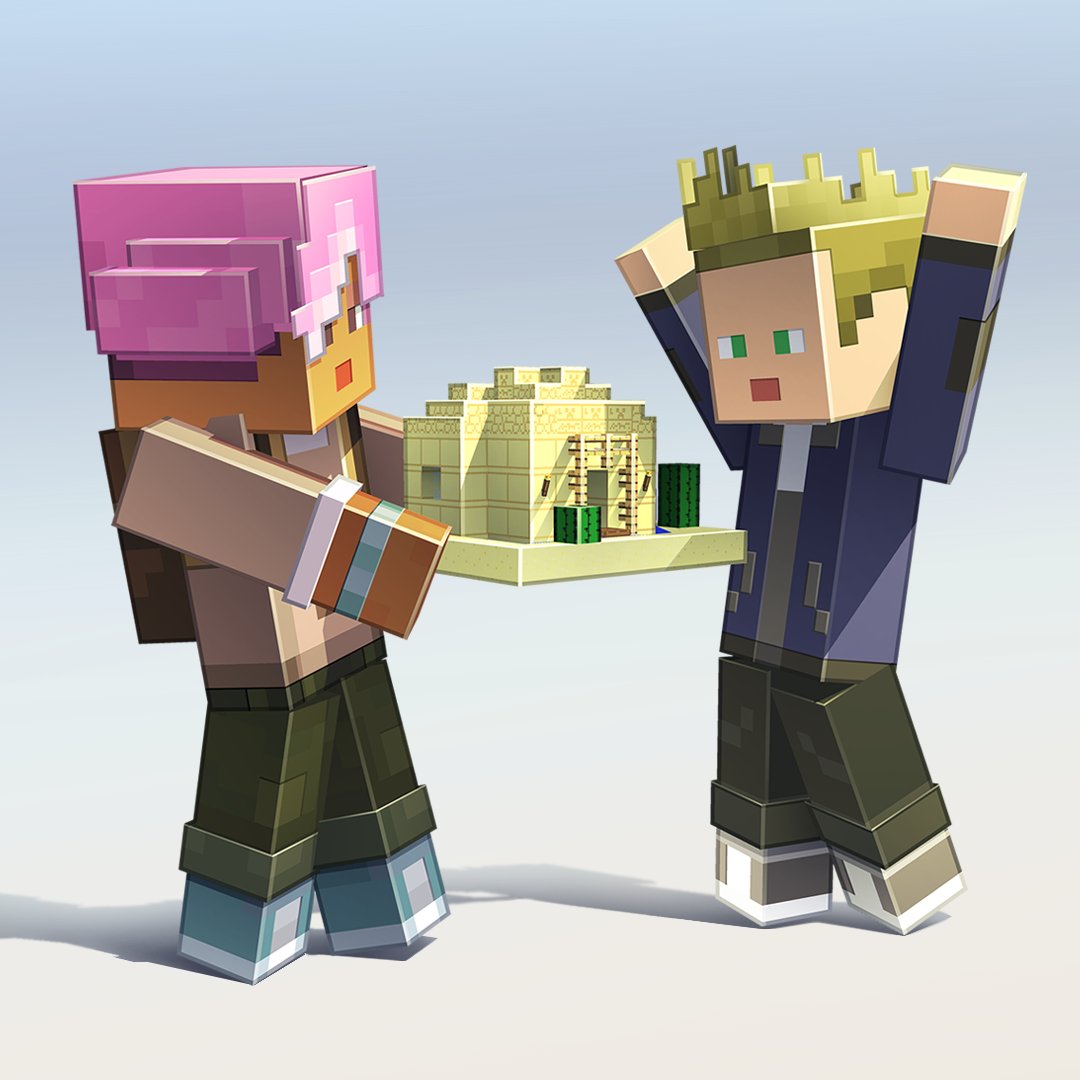
Dragon-themed designs gained serious traction this year, and for good reason. Dragonheart and DragonHearted_ showcase what happens when you combine mythological aesthetics with clean pixel art design. The detail work on wing patterns and scale textures is genuinely impressive for the format. Getting those proportions right while staying recognizable at such a tiny scale is harder than it looks.
Then there's the sci-fi inspired category. DarthVader2012 and DarthVader1real represent a whole wave of creators pulling from established franchises and making them work in Minecraft's blocky world. Getting that armor aesthetic right is deceptively difficult - actually, let me correct that - it's harder than it sounds. The proportions have to work at such a small scale, and these skins nail it in ways that make the character instantly recognizable.
Minimalist work deserves mention too. blqckheart demonstrates how restraint and strategic use of darker colors creates something visually striking without being flashy. It's the kind of skin that looks subtle in your inventory but catches people's attention in multiplayer.
Each of these represents hours of iteration.
Why This Year's Fan Art Matters
Here's where it gets interesting. Fan art in the Minecraft space isn't just about looking cool. Many of the best creators use their work to build actual community - they run servers around their character concepts, collaborate with other artists, commission custom work for friends, and genuinely push the creative boundaries of what the game's tools can express.
The skin art scene ties directly into role-play communities, collaborative building projects, and faction-based multiplayer servers. Someone creates an incredible skin, shares it, and suddenly you've got a mini-community forming around that character concept. The character becomes real in a way that pure aesthetics never could. People build lore around it. They reference it. Those create fan fiction (yes, Minecraft fan fiction is absolutely a thing). That's the real magic.
It's not complicated: creativity drives engagement.
What makes this different from other games? Minecraft's relatively simple visual style actually makes fan contributions feel more integrated. A great skin doesn't feel like external content - it feels like it's always been part of the game. That smooth integration is what makes fan art in Minecraft so effective.
The Bigger Picture
Fan art is where innovation actually happens in gaming communities. Modders started as artists experimenting with what the game could do. Level designers got their start pushing vanilla tools to their limits. The most interesting stuff in Minecraft often comes from people trying things the game wasn't explicitly designed for, purely out of creative drive.
When someone spends two weeks perfecting a skin design or documenting their massive custom build, they're contributing something real to the broader Minecraft experience. They're keeping the game fresh. They're showing newer players what's possible. They're building the culture that makes this community worth being part of.
There's also an accessibility angle worth noting. Official Minecraft content requires Mojang's resources and approval processes. Fan art has no gatekeepers. That means voices that might not otherwise get heard can create and share. That's where you find the weird, experimental, genuinely surprising stuff that commercial teams sometimes miss.
What's Worth Your Attention Right Now
The reality is that there's too much great fan art happening to cover fullly. Trends I'm seeing this year point toward more narrative-driven character design - skins with actual backstories, lore, and connection to larger fictional universes. There's also way more collaborative work happening, with artists teaming up on bigger projects instead of working in isolation.
If you find something amazing, share it.
Whether it's a skin that blew your mind, a texture pack that changed how you see the game, a build that inspired you, or something that doesn't fit neatly into any category - the community discovery process is what keeps these creative ecosystems alive. Most creators don't do this for recognition or profit. They do it because making things is fun. But recognition still matters. It shows them their work landed with someone.
The Minecraft fan art scene in 2026 is worth your time to explore. It's proof that the most interesting stuff rarely comes from official channels - it comes from people who care enough to spend hours perfecting something, not because they've to, but because they want to.

Lead writer at minecraft.how. Long-time Minecraft player running a small SMP server, testing every build, mod, and seed before writing about it.