Construcciones de Minecraft: ideas inteligentes, estilos y consejos para 2026
Las construcciones de Minecraft en 2026 funcionan mejor cuando adaptas el proyecto a tu mundo, a tu presupuesto de bloques y a tu paciencia. Es verdad que los proyectos gigantes siguen llamando la atención, pero los más inteligentes son los que están bien planificados, se terminan por completo y encajan de verdad en el servidor o la partida de supervivencia en la que juegas.
Las construcciones de Minecraft en 2026 se sienten más grandes, pero son más inteligentes
El principal cambio este año no es que los jugadores hayan olvidado de repente cómo hacer castillos gigantes. Es que ahora se construye con un propósito claro. Las bases de supervivencia tienen una mejor distribución para el almacenamiento, los pueblos parecen habitados e incluso las construcciones de exhibición tienen siluetas más limpias en lugar de detalles aleatorios pegados por todas partes como si fueran glaseado sobre un ladrillo.
El mes pasado lo noté en un par de mapas SMP y en un servidor creativo de parcelas: las construcciones que mejor se veían no siempre eran las más grandes. Eran aquellas que definían primero una forma sólida, luego una paleta limitada de bloques y al final añadían los detalles. Parece obvio, pero la mayoría de los jugadores lo sigue haciendo al revés.
Y ahí es donde empieza la frustración. Colocas ventanas antes de que la forma de la pared tenga sentido, añades trampillas porque lo viste en un tutorial de YouTube y luego te alejas para darte cuenta de que has construido una patata decorativa.
El año 2026 también es clave porque el propio juego sigue empujando a los constructores hacia actualizaciones más pequeñas y regulares. PCGamesN señaló hace poco que Minecraft 1.26.1, la actualización 'Tiny Takeover', probablemente llegará en marzo de 2026 según el ritmo actual de lanzamientos de Mojang. Esto es importante para los constructores porque las actualizaciones frecuentes cambian las opciones de bloques, la ambientación de las criaturas y las tendencias de diseño con más frecuencia que el antiguo ciclo anual.
Así que, si estás planeando construcciones de Minecraft ahora mismo, no pienses en un único estilo perfecto para todo el año. Piensa en fases. Construye una estructura básica, deja espacio para cambiar bloques en el futuro y evita limitarte a una paleta que deje de funcionar en cuanto aparezca un nuevo bloque decorativo.
Las mejores construcciones de Minecraft para empezar, según tu mundo
No todos los mundos necesitan el mismo tipo de construcción. Un mapa de supervivencia extremo, un reino familiar relajado y un servidor PvP penalizan errores muy distintos.
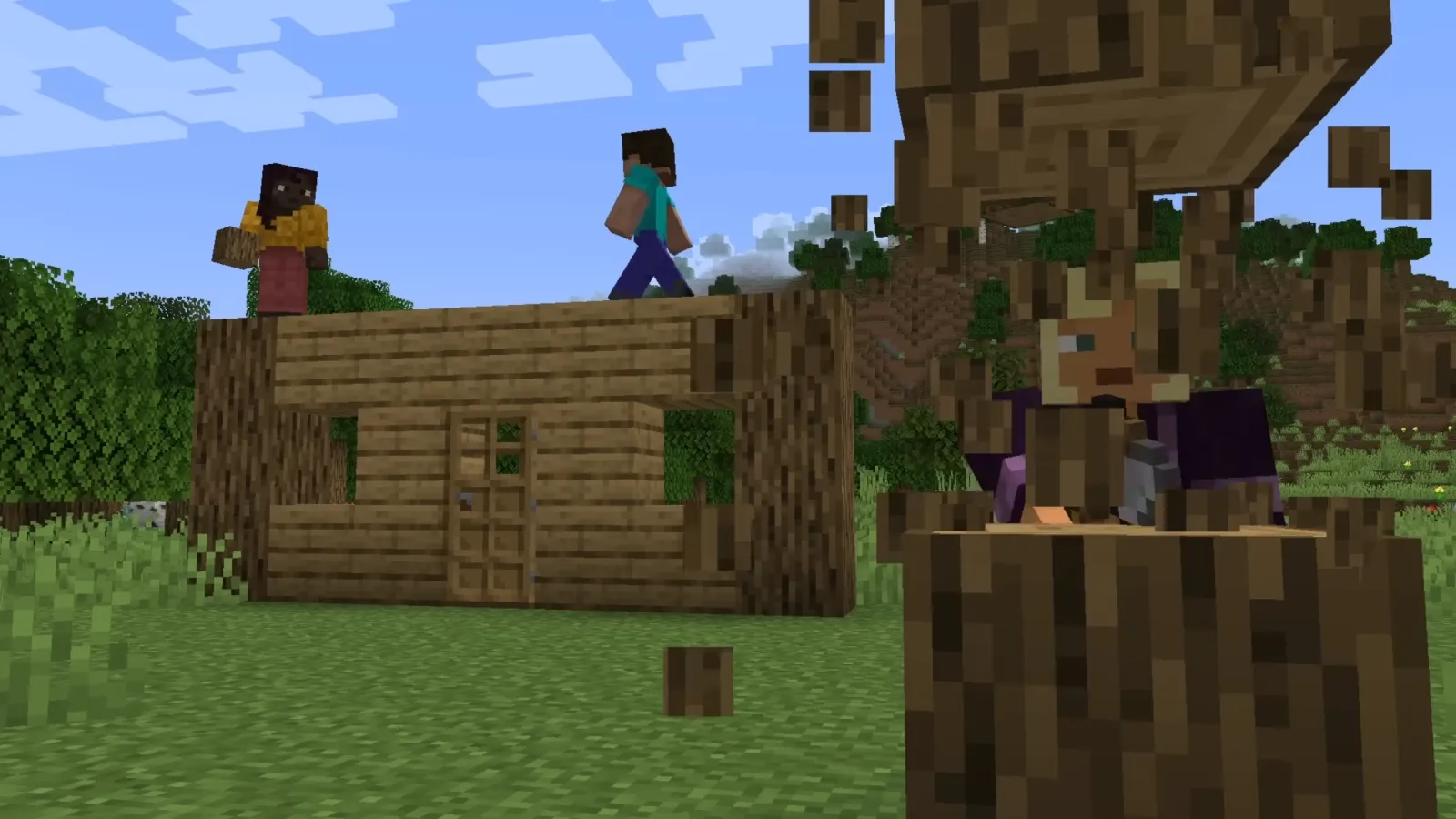
Para un nuevo mundo de supervivencia, mi opción preferida sigue siendo un complejo inicial compacto en lugar de una sola casa. Una sala principal, una zona de cultivo, un cobertizo de almacenamiento y un muro o seto alrededor del terreno. De esta forma se expande de manera natural y se evita el clásico problema de que tu casa de inicio termine convirtiéndose en una acumulación desordenada de cofres con una cama en la esquina.
Si estás a mitad de partida en supervivencia, las mejores construcciones de Minecraft suelen dividirse en cuatro categorías principales:
- Mejoras para la base: salas de cofres, torres de encantamientos, salas de fundición o granjas automatizadas
- Estructuras de transporte: puentes, muelles, portales al Nether o redes de caminos
- Proyectos de prestigio: castillos, catedrales, mansiones o estatuas gigantes
- Detalles de ambientación: puestos de mercado, juzgados, ruinas, pozos o senderos iluminados
Este último grupo se suele ignorar demasiado a menudo. Es curioso, porque la ambientación es lo que hace que un mundo se sienta completo. Los jugadores recuerdan mucho más un callejón decorado con macetas y estandartes que el decimoquinto módulo de cofres.
El modo creativo es diferente. En él, el espacio es barato y la disciplina es lo que cuesta. Si tienes bloques ilimitados, la trampa es el exceso. Prefiero ver una entrada medieval bien definida con un tejado imponente que una enorme ciudad de fantasía con un 70 por ciento de calles vacías y arrepentimiento.
Para buscar inspiración, me gusta ver aspectos temáticos antes de empezar a construir. No porque un aspecto cambie la estructura, obviamente, sino porque te ayuda a entrar en un ambiente determinado. Una aldea agrícola rústica se siente diferente cuando usas un aspecto de Minecraft de entitybuilds con diseño de constructor, y las granjas otoñales combinan genial con el aspecto de Minecraft de PumpkinBuilds para ideas de construcción temáticas. ¿Suena un poco tonto? Quizás, pero funciona.
Cómo planificar casas, castillos y ciudades en Minecraft
La mayoría de las guías de construcción te recomiendan buscar referencias. Está bien, pero las referencias por sí solas no salvarán un mal plan.
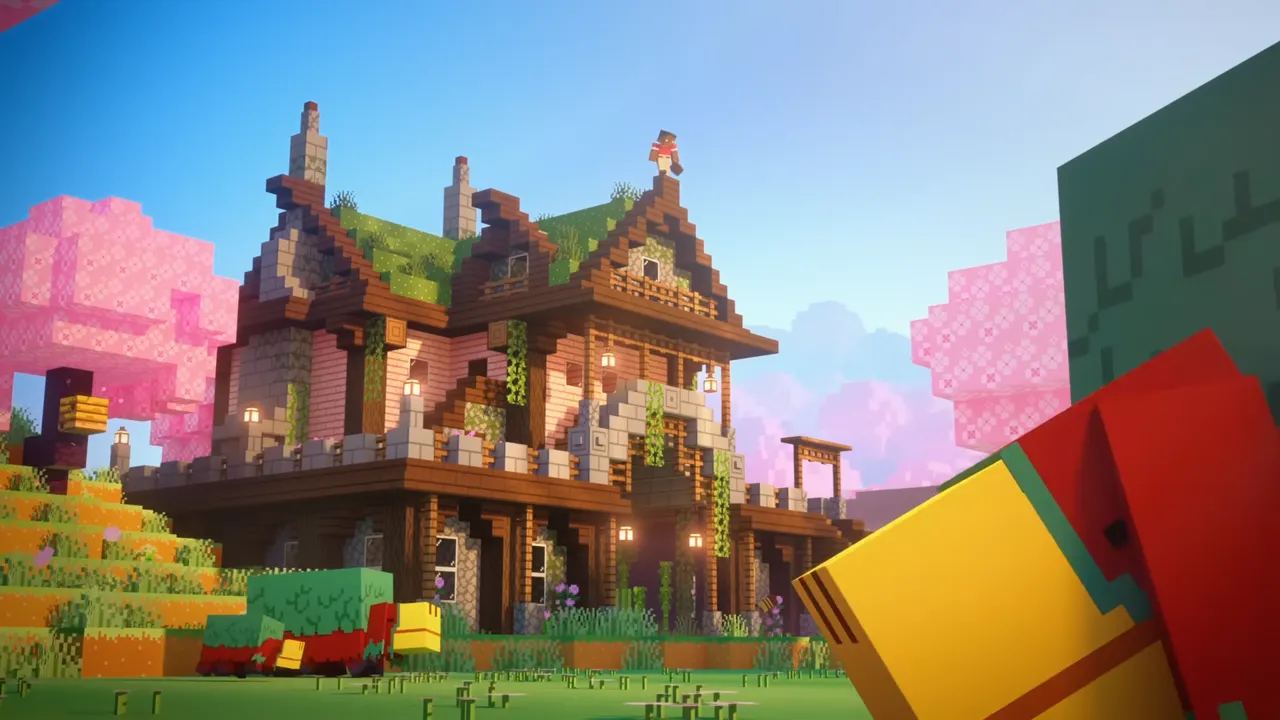
Empieza haciéndote tres preguntas: ¿para qué sirve esta construcción?, ¿en qué bioma está? y ¿con qué frecuencia la voy a ver realmente? Un castillo en la montaña que se ve a lo lejos necesita una silueta marcada. Una casa por la que pasas cada cinco minutos requiere una mejor distribución interior y de caminos. El centro de una ciudad en un servidor necesita calles fáciles de recorrer, no solo capturas de pantalla bonitas.
En el diseño de casas, la forma supera al detalle
Las casas pequeñas y medianas dependen por completo de las proporciones. Define bien la inclinación del tejado, rompe la monotonía de las paredes lisas y usa una paleta con un bloque principal, uno de soporte y uno de acento. Con eso suele bastar. Usar cinco tipos de madera en una base inicial no es sofisticación, sino indecisión.
¿Alguna vez has intentado construir una cocina completa con bloques del juego base? Sí, es complicado. Puedes simularla con trampillas, escaleras, ahumadores y barrotes de hierro, pero al final solo estás improvisando decoraciones con mucha imaginación.
Mi regla para los interiores de las casas es simple: deja espacio para respirar. Los constructores llenan cada pared con estanterías, faroles y barriles, y luego se preguntan por qué la habitación parece más pequeña que la lavandería de una prisión.
Para los castillos, piensa en capas
Un buen castillo no es una sola estructura enorme con torres pegadas alrededor. Debe tener una jerarquía clara: muralla exterior, puerta fortificada, patio interior, la torre del homenaje, torres de vigilancia y edificios de apoyo. Incluso los castillos de fantasía necesitan una distribución creíble para no parecer adornos de tarta.
Aprendí esto de la peor manera tras intentar reconstruir una fortaleza en un acantilado en un servidor Paper. La torre del homenaje se veía genial por sí sola, pero todo el conjunto parecía falso hasta que añadí patios de servicio, escaleras talladas en la colina y pequeñas estructuras de soporte para los suministros. Ese es el verdadero secreto: los detalles secundarios y funcionales hacen que los grandes proyectos parezcan reales.
Para las ciudades, limita la paleta de bloques desde el principio
Los proyectos de ciudades fracasan cuando cada distrito usa un estilo diferente sin un lenguaje visual común. Elige dos o tres materiales principales, una regla para el diseño de las calles y un mismo estilo de tejado. Después, varía las siluetas. Así conseguirás variedad sin caer en el caos.
Y si construyes con amigos, asigna zonas antes de que nadie empiece a colocar bloques. La democracia es fantástica hasta que alguien planta una torre cyberpunk junto a tus termas romanas.
Para lograr una atmósfera de construcción urbana más pulida, el aspecto de Minecraft de Phelps_Builds inspirado en proyectos a gran escala, el aspecto de Minecraft de FallenQBuilds para constructores de fantasía y el aspecto de Minecraft de AtticusBuilds para construcciones de supervivencia detalladas encajan de forma natural con el tema.
Estilos de construcción que funcionan en supervivencia
Es una realidad que algunos estilos lucen increíbles en capturas de pantalla pero resultan incómodos en un mundo de supervivencia real.
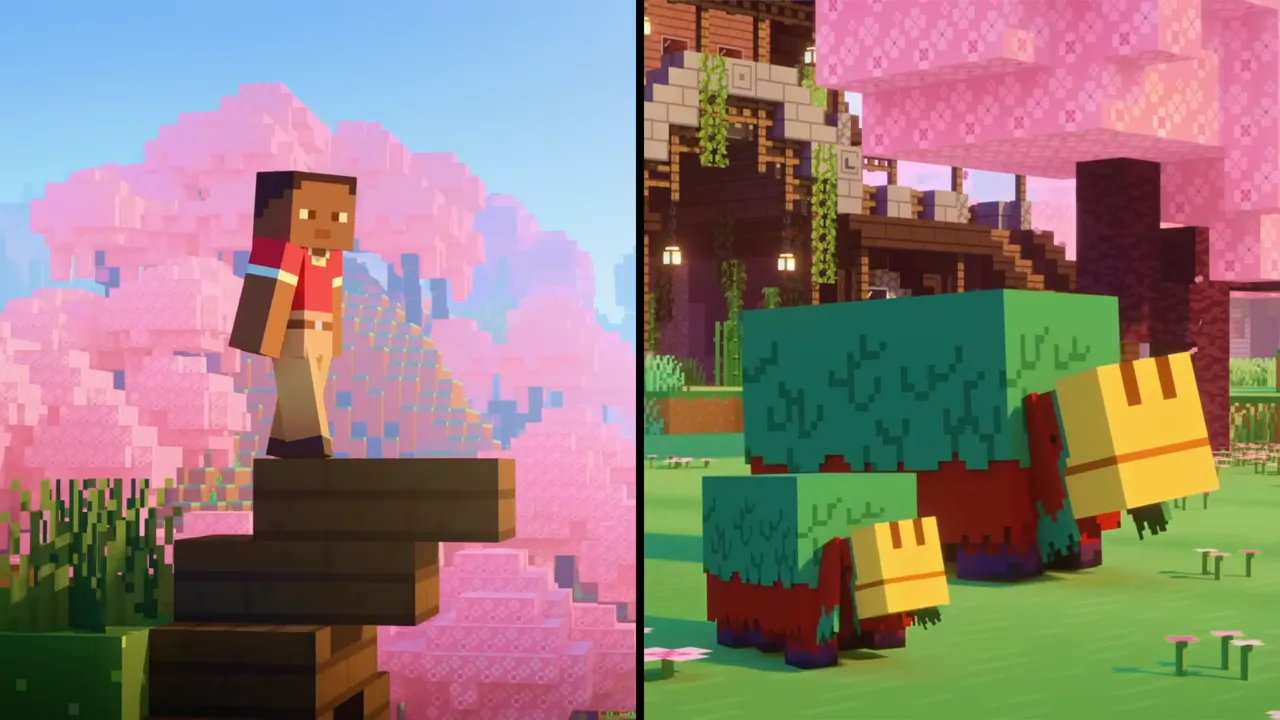
Las construcciones de fantasía oscura son populares porque la pizarra profunda, la piedra negra y la madera de abeto ayudan a crear ambiente fácilmente. El problema es la visibilidad. Con lluvia, de noche o bajo tierra, las paletas más oscuras pueden hacer que tu construcción se convierta en una mancha difusa y costosa. Por eso suelo combinarlas con bordes de piedra más clara, ventanas cálidas o detalles de cobre. Aunque pensándolo bien, el cobre no siempre es la solución en supervivencia porque controlar el tiempo de oxidación puede ser molesto a menos que estés dispuesto a encerar bien los bloques.
Los estilos rústicos y medievales siguen siendo la opción más segura para la mayoría de los jugadores, especialmente en biomas de llanuras, taiga y praderas. Se adaptan muy bien al tamaño. Puedes empezar con una cabaña y luego añadir un molino, un establo, una capilla, un mercado y murallas sin tener que cambiar el estilo visual a mitad de camino.
Las construcciones modernas siguen funcionando, pero sobre todo en creativo o en servidores de supervivencia muy organizados. Las casas minimalistas de hormigón blanco se ven fantásticas hasta que un creeper decide hacer arte moderno en el jardín delantero.
Estos son los estilos que considero que ofrecen el mejor resultado por tu esfuerzo ahora mismo:
- Medieval rústico: fácil de ampliar, flexible con las texturas y excelente para aldeas y pueblos iniciales.
- Fortaleza de piedra: excelente para bases de montaña y puntos de referencia en servidores, especialmente con murallas escalonadas.
- Steampunk industrial: más popular de lo esperado en 2026 porque los detalles de cobre e hierro aportan profundidad rápidamente.
- Madera nórdica: ideal para biomas nevados o de taiga, donde las formas marcadas del tejado hacen casi todo el trabajo.
- Arenisca del desierto: sinceramente infravalorada, ya que el juego de luces y sombras se encarga de crear el detalle.
En resumen: construye en un estilo que puedas permitirte con tus recursos actuales. Si la base de tus sueños requiere miles de bloques de cuarzo y todavía estás talando árboles con los puños, tal vez sea mejor guardar esa idea para más adelante.
Tendencias de construcción de 2026, rendimiento y particularidades de las plataformas
Hoy en día los constructores no solo se preocupan por la estética. También tienen que lidiar con el rendimiento, la distancia de simulación, la iluminación y las diferencias entre plataformas.
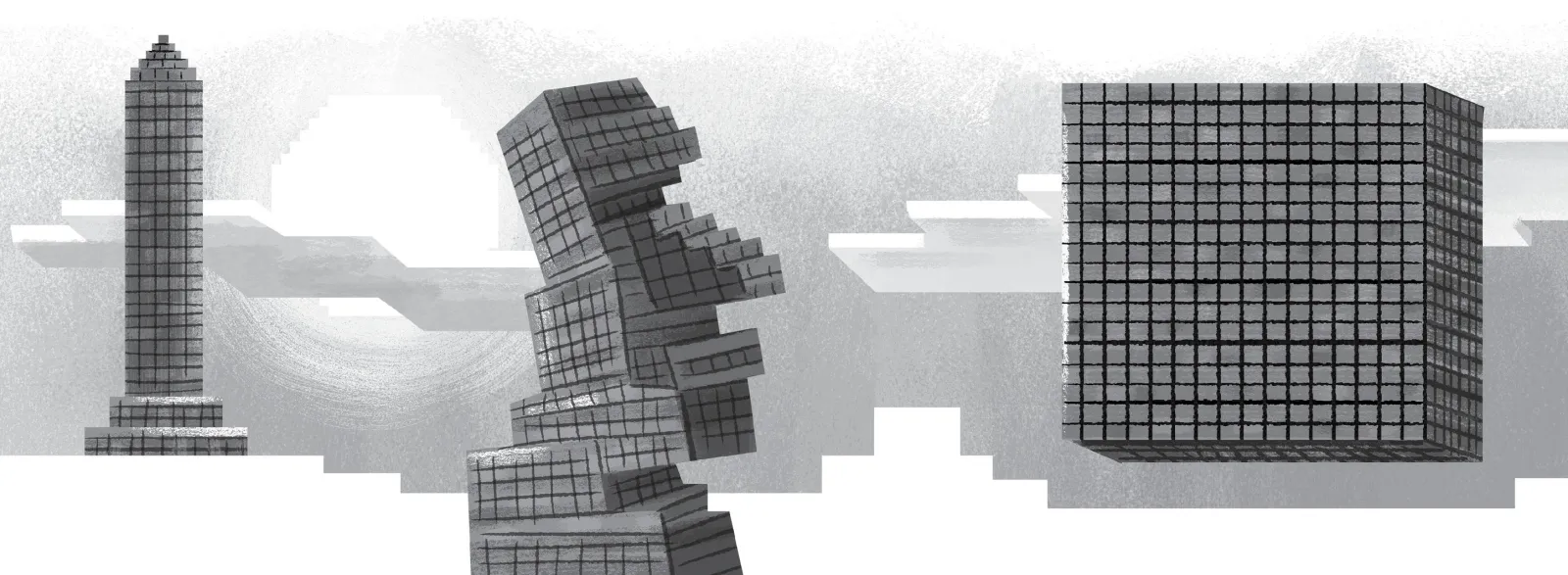
Esto se ha vuelto más relevante a medida que Minecraft sigue mejorando el soporte para consolas. En 2024, The Loadout informó que Mojang había empezado a probar una versión nativa para PS5 en lugar de depender de la versión antigua de PS4. Incluso si juegas en PC, este tipo de mejoras en la plataforma cambia lo que los jugadores esperan de los mundos compartidos, sobre todo en cuanto a la distancia de renderizado, la carga de chunks y el nivel de detalle que pueden tener las construcciones comunitarias sin ralentizar el juego.
Pero no hay que confiarse solo del hardware. Las construcciones gigantes de Minecraft siguen sufriendo cuando concentras mecanismos complejos de redstone, demasiadas criaturas, clasificadores de objetos y elementos decorativos en un solo lugar. He visto plazas de pueblos preciosas que ralentizan un servidor mucho más que cualquier granja de monstruos solo porque a alguien se le ocurrió que cada esquina necesitaba soportes para armaduras, fogatas, abejas y doce carteles colgantes.
Hay dos grandes tendencias que se sienten muy reales este año. Primero, cada vez más jugadores integran bases funcionales con exteriores decorativos, escondiendo el almacenamiento detrás de tabernas, acantilados, torres y terrenos personalizados. Segundo, hay menos obsesión con el detalle ultramaximalista. Menos mal, porque la mitad de esas construcciones parecían haber acumulado percebes.
Si quieres mejorar el rendimiento sin que tu construcción parezca vacía, prueba esto:
- Consigue profundidad variando los bloques, no acumulando entidades
- Repite formas estructurales definidas en lugar de añadir microdetalles aleatorios
- Oculta las granjas y la redstone a una pequeña distancia de la base principal
- Ilumina las zonas de forma limpia para evitar tener que poner antorchas de emergencia más tarde
- Comprueba las perspectivas desde el suelo, no solo desde el aire en el modo espectador
Esto último importa más de lo que la gente admite. Una construcción puede verse preciosa en una miniatura y resultar incómoda de recorrer cuando estás dentro.
Errores comunes que arruinan construcciones de Minecraft que podrían ser geniales
Esta es la parte que a nadie le gusta, porque la mayoría de nosotros hemos cometido todos estos errores.
Primero, construir demasiado grande demasiado pronto. Las dimensiones colosales matan la motivación. Si la estructura exterior te lleva tres sesiones de juego y el tejado cuatro más, terminarás abandonándola y diciéndote a ti mismo que "debía ser una ruina". Muy conveniente.
Segundo, mezclar paletas sin controlar la combinación de tonos. Maderas cálidas, piedras frías, acentos brillantes, cobre por cualquier lado, un parche de ladrillos del Nether... a veces funciona, pero por lo general parece que ha explotado un cofre lleno de trastos.
Tercero, decorar cada superficie. Dejar una pared lisa no es un fracaso. La sencillez de una superficie plana se puede corregir con estructura, pero la saturación visual es muy difícil de arreglar.
Cuarto, olvidar los ángulos de aproximación. Los jugadores experimentan las construcciones mientras se mueven. La entrada, el puente, la escalera y la primera habitación interior importan mucho más que el adorno de la esquina trasera del tejado en el que pasaste 40 minutos trabajando.
Quinto, copiar tutoriales bloque por bloque sin adaptarlos. Los tutoriales son útiles, yo también los uso. Pero una cabaña de abeto preciosa en una colina nevada puede verse ridícula si la plantas en medio del desierto junto a tu granja de cactus.
Entonces, ¿cuál es el mejor enfoque? Quédate con las ideas generales, no con las formas exactas. Adapta proporciones de tejados, degradados, diseños de caminos y la lógica de distribución. Luego, haz que la construcción encaje en tu mundo.
Eso es lo que diferencia las construcciones aceptables en Minecraft de las memorables. No es el tamaño, ni la rareza de los bloques, ni siquiera la habilidad técnica por sí sola. Es la coherencia. Que la estructura parezca haber estado allí siempre.

Lead writer at minecraft.how. Long-time Minecraft player running a small SMP server, testing every build, mod, and seed before writing about it.
Preguntas Frecuentes
¿Cuáles son las construcciones de Minecraft más sencillas para un nuevo mundo de supervivencia?
¿Cómo puedo detallar mis construcciones de Minecraft sin sobrecargarlas?
¿Qué bioma es el mejor para construcciones grandes en Minecraft?
¿Vale la pena seguir tutoriales de construcción en 2026?
¿Las construcciones grandes de Minecraft causan lag en consolas o Realms?
Have a Question or Tip about this Guide?Community Q&A
Ask a question or help other players below. Join the discussion and share your Minecraft tips!
Comentarios
Aún no hay comentarios. ¡Sé el primero en compartir tu opinión!