Tabla de Encantamientos de Minecraft: Guía Completa 2026
La tabla de encantamientos es una de las herramientas más poderosas de Minecraft, pero la mayoría de jugadores apenas rasguña la superficie de lo que puede hacer. Aquí hay todo lo que necesitas saber para dominarla en 2026.
¿Qué es la Tabla de Encantamientos?
Es un bloque que te permite añadir efectos mágicos a tus herramientas, armas y armadura usando puntos de experiencia y lapislázuli. Esa es la versión simple. Lo que realmente importa es que los encantamientos pueden convertir un pico de diamante mediocre en algo que extrae piedra en segundos, o darle a tu arco flechas infinitas. La tabla de encantamientos no es solo cosas de calidad de vida. Para minería seria, combate o supervivencia, los encantamientos son básicamente necesarios.
Encontrarás encantamientos en cada mundo de supervivencia a largo plazo. Es esencial.
El sistema funciona extrayendo hechizos aleatorios de un enorme grupo cada vez que pasas el cursor sobre las tres opciones que ofrece la tabla. Tu trabajo es entender qué combinaciones importan, cuáles son basura, y cuándo aceptar versus volver a lanzar.
Construir y Configurar tu Tabla
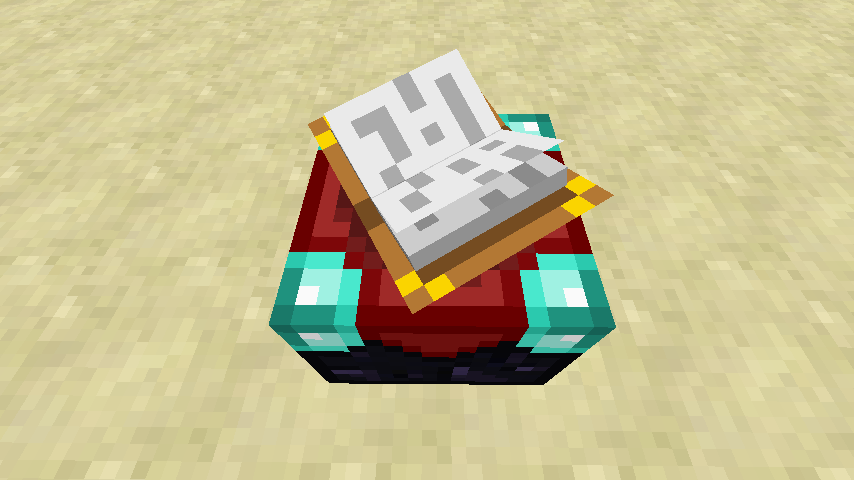
Primero, necesitas la tabla en sí. Eso es obsidiana, diamantes, y un libro. Un bloque de obsidiana en la base, dos diamantes a los lados, y un libro en la parte superior. No es complicado, pero la colocación importa por las estanterías de libros.
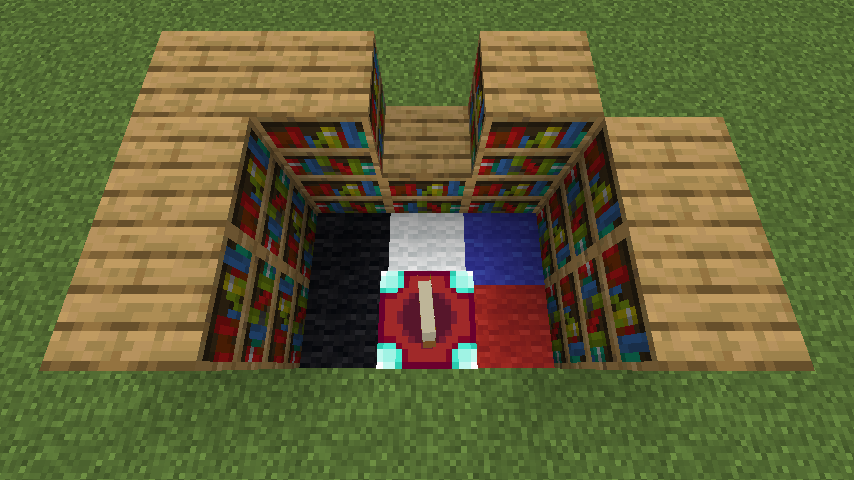
Las estanterías de libros aumentan tu nivel de encantamiento máximo, y necesitan colocarse en un rango específico alrededor de la tabla. Colócalas a un bloque de distancia horizontalmente y hasta dos bloques arriba o abajo. Quince estanterías de libros maximizan tu nivel de encantamiento en 30, que es donde obtienes los mejores hechizos.
He visto jugadores organizarlas en patrones extraños pensando que importa. Y no importa. Una caja simple alrededor de la tabla funciona bien.
Los materiales reales son directos - obsidiana de tu excursión al Nether, diamantes de la minería, y un libro (papel y cuero). Una vez que está colocada, estás listo. Pero aquí está la cosa que la mayoría de guías no te dirán - los primeros pocos encantamientos que hagas deben ser en picos o palas baratas desechables. Arruinarás la estrategia. Todos lo hacen.
Entender Niveles de Encantamiento y Mecánicas
Cuando haces clic derecho en tu tabla, ves tres opciones con números romanos. Esos son niveles I, II, y III que representan qué tan "fuerte" es cada variante de encantamiento. Los niveles más altos cuestan más lapislázuli y más XP.
La tabla extrae de un grupo de cada encantamiento en el juego, y cuáles aparecen depende de tu nivel de XP actual (la barra verde, no tu nivel de personaje). Necesitas 1 XP y 1 lapislázuli para los encantamientos más débiles, y 30 XP más 3 lapislázuli para los más altos. El nivel que ves es un indicador aproximado de poder, pero los encantamientos reales son semi-aleatorios.
Un detalle importante - múltiples encantamientos en el mismo objeto se apilan. Un pico puede tener Eficiencia V, Irrompibilidad III, Fortuna III, y Reparación todos a la vez. Ahí es donde las cosas se ponen interesantes.
En realidad, Reparación no viene de la tabla. Eso viene de pescar o cofres de botín. Debería haber aclarado eso desde el principio.
El requisito de lapislázuli se escala con lo que estés encantando. Un libro cuesta menos que una pechera, lo que en realidad hace de los libros tu arma secreta para planificar construcciones.
Encantamientos que Importan
Vamos a cortar el ruido. La mayoría de encantamientos son situacionales o débiles. Aquí hay lo que realmente deberías perseguir:
Para picos y palas: Eficiencia V (rompe bloques más rápido), Irrompibilidad III (durabilidad), y Fortuna III (gotas extra en minerales). Estos tres solos transforman la minería de tediosa a genuinamente rápida. Eficiencia V en un pico de diamante se siente genuinamente diferente.
Para espadas: Nitidez V (daño), Empuje II (los golpes empujan enemigos hacia atrás), y Saqueo III (los mobs sueltan más). El Filo de Barrido importa menos de lo que la gente piensa, y Aspecto Ígneo es en realidad perjudicial si quieres botín de mobs.
Para armadura: Protección IV (reduce todo daño), Irrompibilidad III (dura más), y Reparación si puedes obtenerla. La Respiración ayuda bajo el agua, pero no es prioridad. Caída Pluma en botas hace que el daño de caída sea irrelevante, lo que honestamente debería ser prioridad más alta.
Para arcos: Poder V (daño), Infinidad (flechas infinitas), Reparación (se repara a sí mismo), y Golpe II (empuje). Llama se ve genial pero hace casi nada en el combate real.
La comunidad siempre está probando construcciones y estrategias. Revisa comunidades de jugadores y vitrinas como Unstable, MetalVegetable, y ExoptableQuery que comparten sus configuraciones de equipo optimizadas en servidores multijugador.
La Estrategia detrás del Encantamiento de Libros
Aquí está el movimiento de profesional - encanta libros en lugar de tu equipo final.
Los libros pueden aceptar cualquier encantamiento, y luego los combinas en un yunque en tu herramienta real. Cuesta más XP en el yunque, pero ganas control. No estás apostando por qué encantamientos aparecen en tu pico de diamante. Estás construyendo exactamente lo que quieres. Además, puedes obtener múltiples libros de Irrompibilidad III y apilarlos en equipo mejor después.
La desventaja - Los yunques cuestan experiencia y tienen un límite de durabilidad, así que tu estrategia necesita planificación. Pero cada jugador serio hace esto. Realmente no hay otra forma de obtener consistentemente equipo perfecto.
Afinidad Acuática es la excepción rara. Pero solo aparece en libros de casco, no al encantar cascos directamente, así que básicamente tienes que usar libros u obtenerlo del botín.
Consejos Avanzados y Errores Comunes
No encantes tu conjunto completo de diamantes cuando apenas estés empezando. Obtendrás hechizos mediocres y desperdiciarás recursos. Gasta tu experiencia temprana en equipo barato que reemplazarás de todas formas. Obtén tu equipo de minería sólido primero, porque Fortuna III en un pico se paga a sí mismo en valor.
Los encantamientos de nivel 30 son llamativos pero a menudo incluyen basura que no quieres. Un encantamiento de nivel 8 en un libro a veces es mejor que lanzar un nivel 30 que te da Irrompibilidad II y Afinidad Acuática. La ponderación favorece hechizos de nivel más alto, pero el RNG sigue siendo áspero.
Muchos jugadores cometen el error de usar su tabla de encantamientos en armadura cuando los picos de minería deberían venir primero. Las prioridades importan.
Toque de Seda y Fortuna no pueden estar en la misma herramienta. Querrás un pico Toque de Seda separado para minerales (para mantener los bloques de mineral para fundir o procesar después) y un pico Fortuna para gotas crudas. Este es uno de esos mecanismos contraintuitivos que frustra a los principiantes.
Algunos encantamientos son opciones trampa. Velocidad del Alma se ve genial pero solo es útil en el Nether y es en realidad más lento que correr. Maldición del Desvanecimiento esconde tu objeto cuando mueres, que nunca es lo que quieres. Maldición de Unión bloquea la armadura en ti. Estos aparecen a veces y son puro desperdicio.
Una cosa más - la aleatoriedad está ponderada. Ciertos encantamientos aparecen más a menudo que otros. Los hechizos de nivel más alto se ponderan hacia encantamientos más poderosos, pero todavía hay una posibilidad de que recibas algo inútil. Mantén una pila de libros lista y sé paciente.
Jugadores como vegetable__soup y Supportable han estado moliendo tablas de encantamientos durante años en servidores multijugador. Su optimización de equipo es insana porque lo tratan sistemáticamente, no aleatoriamente.
Encantamiento en 2026: Qué Ha Cambiado
La mecánica central no se ha desplazado dramáticamente, pero el meta sí. La optimización del servidor y las bases de jugadores más grandes significan que la eficiencia importa más. Los grupos de encantamientos permanecen básicamente igual desde Minecraft 1.20, y nada en las snapshots 2026 ha alterado esto significativamente.
Eso significa que la guía se mantiene. Tu estrategia para equipo óptimo es la misma de hace un año, excepto que más jugadores lo están haciendo mejor. El conocimiento compartido de la comunidad sobre encantamiento de libros, combos de yunques, y predicción de nivel es más accesible ahora a través de wikis y creadores de contenido.
El único cambio práctico - Reparación es más fácil de encontrar ahora. Los mejores mecanismos de pesca y tablas de botín más consistentes significan que tu equipo encantado dura mucho más tiempo de lo que solía. Eso cambia el análisis de costo-beneficio de ir todo en encantamientos de alto nivel.

Lead writer at minecraft.how. Long-time Minecraft player running a small SMP server, testing every build, mod, and seed before writing about it.
Preguntas Frecuentes
¿Qué materiales necesito para construir una tabla de encantamientos?
¿Por qué son importantes las estanterías de libros alrededor de la tabla de encantamientos?
¿Cuáles son los encantamientos más importantes para un pico de minerales?
¿Qué estrategia hay para obtener equipo perfecto de manera consistente?
¿Dónde se puede obtener el encantamiento de Afinidad Acuática?
Have a Question or Tip about this Guide?Community Q&A
Ask a question or help other players below. Join the discussion and share your Minecraft tips!
Comentarios
Aún no hay comentarios. ¡Sé el primero en compartir tu opinión!