Guía Minecraft del Nether - Biomas, Mobs y Recursos
El Nether es donde Minecraft se pone serio. Si has estado sobreviviendo en la superficie, adentrarse en esta dimensión infernal requiere estrategia, preparación y respeto por lo que hay allí. En Minecraft 26.1.2, el Nether sigue siendo una de las zonas más ricas en recursos y peligrosas que puedes explorar. Aquí está lo que necesitas saber sobre sus biomas, criaturas y tesoros.
Los Cinco Biomas del Nether y Qué Los Diferencia
El Nether no es solo un entorno. Se divide en biomas distintos, cada uno con terreno, mobs y botín diferentes. Entenderlos cambia cómo navegas y sobrevives.
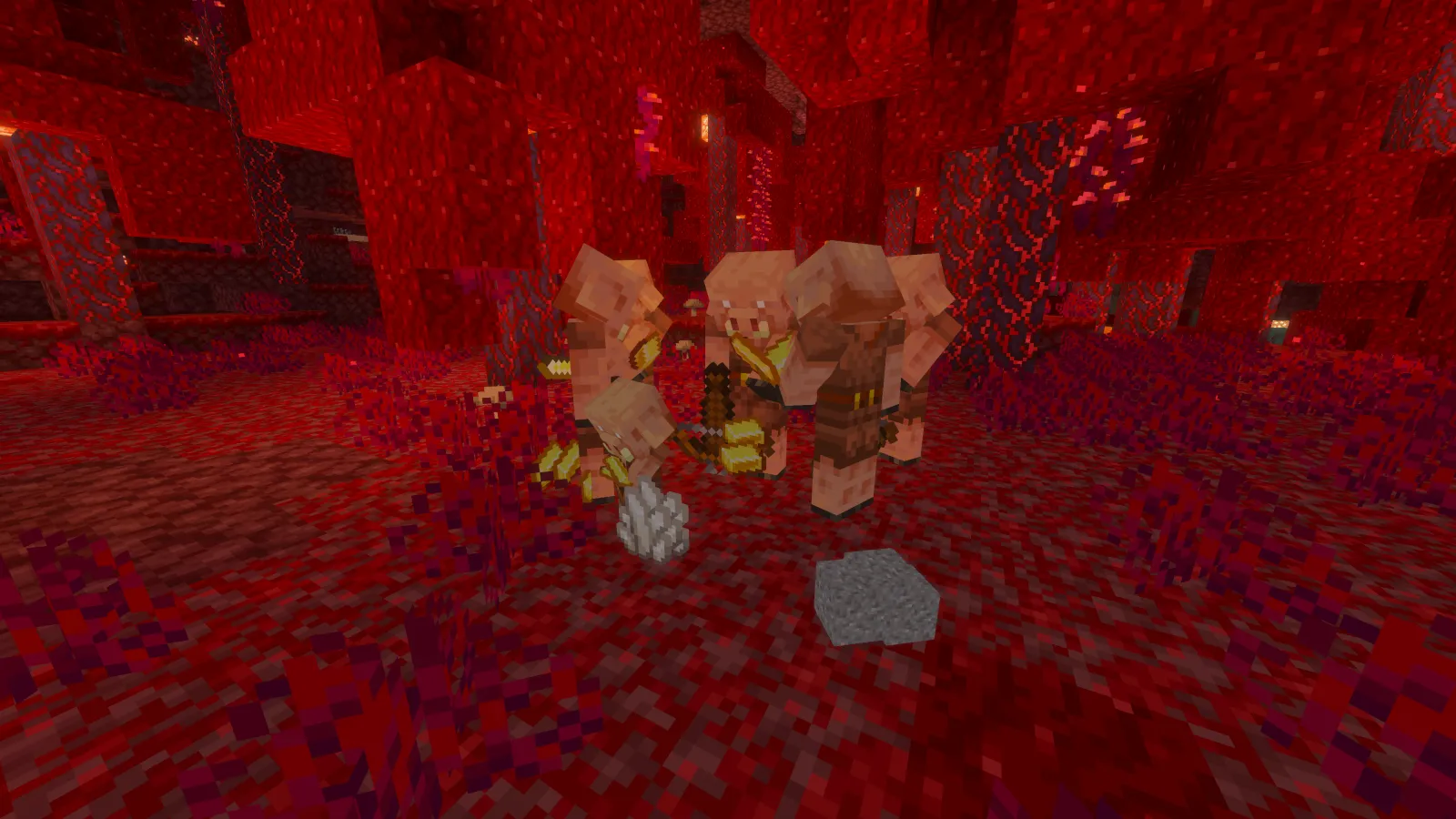
Bosque Carmesí se siente como si hubieras entrado en un paisaje infernal extraño y orgánico. Hongos carmesíes gigantes se alzan sobre tu cabeza, troncos distorsionados cuelgan desde arriba, y el suelo está cubierto de nilio carmesí. Honestamente, es el bioma menos hostil del Nether. Encontrarás Piglin aquí (no son totalmente agresivos si llevas oro puesto), Hoglins (mobs agresivos y resistentes), y ocasionalmente Endermen. Los bosques carmesíes son excelentes para recopilar alternativas de madera si las necesitas, aunque el valor real está en las estructuras.
Los Bosques Distorsionados se sienten aún más extraños. Todo tiene ese matiz azul-púrpura. Los Endermen aparecen con más frecuencia aquí, y estos bosques se sienten genuinamente inquietantes si juegas de noche con sonido. Los Striders aparecen en bosques distorsionados cerca de lava, lo cual es útil si necesitas transporte sobre lagos de lava.
Valle de Arena de Alma. Este es desolador.
El paisaje completo está cubierto de arena de alma y tierra de alma, con llamas azules por todas partes. Los Ghasts aparecen constantemente aquí. Los Esqueletos y Esqueletos Wither cazan en manadas. La atmósfera es opresiva, pero si buscas arena de alma en sí misma o barras de llama (las necesitarás para preparar pociones), este bioma es inevitable. Estos fósiles del Nether altos y retorcidos dispersos son icónicos, aunque no tienen mucho valor.
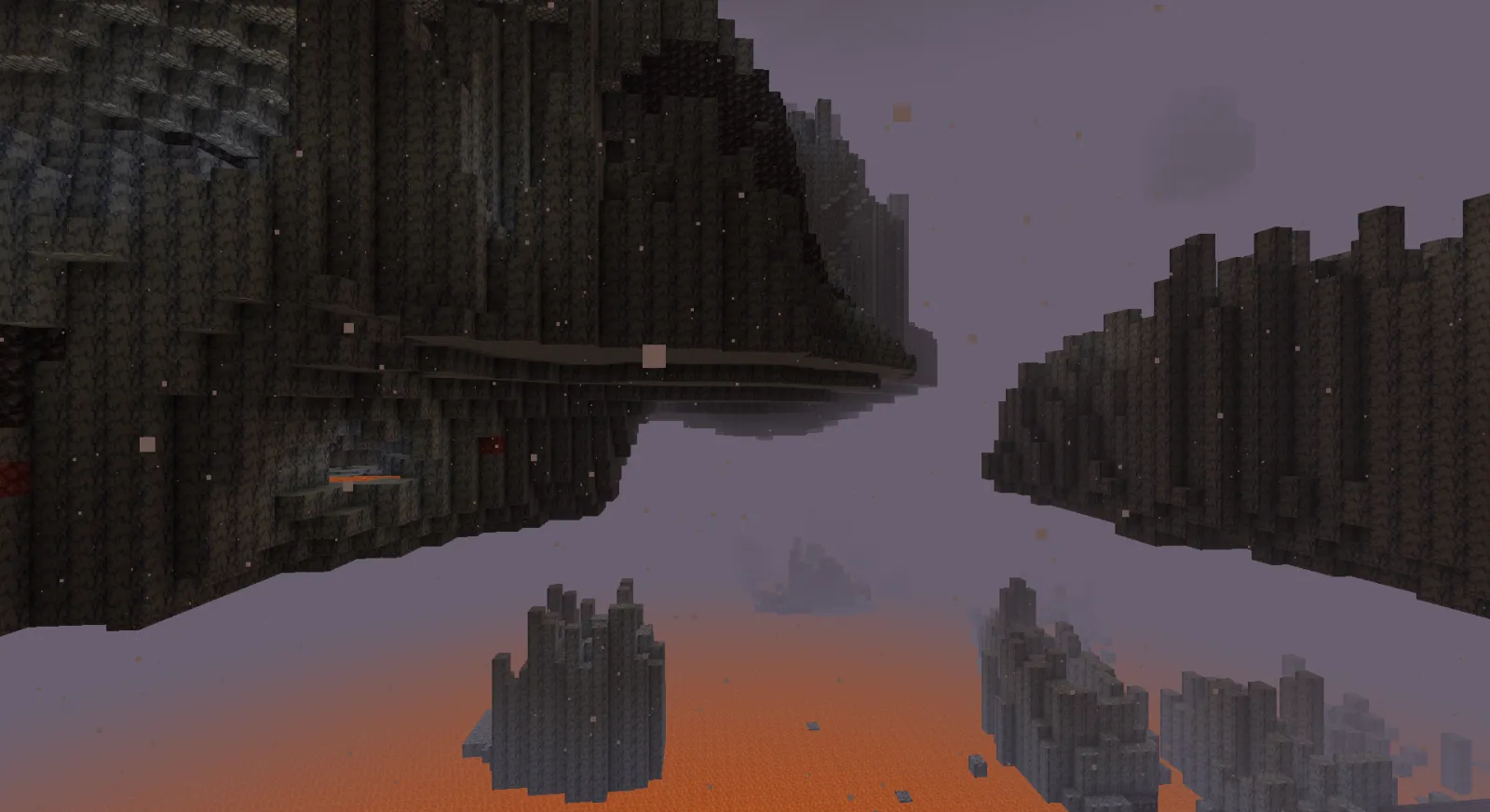
Los Deltas de Basalto parecen tierras baldías volcánicas. Los pilares de basalto sobresalen en patrones caóticos, haciendo que la navegación sea complicada. Los cubos de magma aparecen constantemente aquí, lo cual es molesto pero también lucrativo. Si buscas bloques de magma para una granja, este es tu destino.
Páramos del Nether (el bioma original de versiones anteriores) aún existen. Son relativamente planos en comparación con los otros, con bosques de verruga del Nether dispersos y formaciones de cuarzo. Cerdos Zombi merodean aquí (son neutrales a menos que los golpees). Es tu opción menos interesante para exploración, pero si necesitas espacio abierto para construir o cultivar, esto funciona.
Mobs - Qué Intenta Matarte (y Por Qué Algunos Merecen Respeto)
El Nether tiene mobs que nunca has encontrado antes, y golpean más fuerte que los habitantes de la superficie. La velocidad y la armadura importan aquí.
Los Piglin son interesantes. Son hostiles contigo, pero te ignoran si llevas al menos una pieza de armadura de oro. Sueltan lingotes de oro y a veces objetos valiosos cuando se matan. Si cultivas Piglin para recursos, la armadura de oro es innegociable. Solo no abras cofres ni extraigas mineral de oro cerca de ellos. Se enojan.
Los Hoglins son básicamente los jabalíes del Nether. Son rápidos, causan daño serio, y te atacarán en grupos. Evítalos a menos que tengas armadura de diamante encantada o de Netherita. Sueltan chuletas de cerdo y cuero, que honestamente no necesitas. Ignóralos.
Los Esqueletos Wither son la verdadera amenaza. Estos arqueros esqueléticos aparecen en Fortalezas del Nether e infligen daño serio. ¿El verdadero premio? Sueltan cráneos de Esqueleto Wither, de los cuales necesitas tres para crear un boss Wither. Si planeas derrotar al Wither y obtener la Estrella del Nether (para faros), estarás moliendo estos mobs durante un tiempo.
Los Ghasts son horrores voladores que escupen bolas de fuego. Son más molestos que peligrosos si tienes armadura decente, pero son rápidos y difíciles de golpear. Los bloques reflectantes (obsidiana, obsidiana llorosa) ayudan rebotando sus bolas de fuego hacia ellos, lo cual es satisfactorio.
Los Cubos de Magma aparecen en Deltas de Basalto y Páramos del Nether. Son la versión del Nether de los slimes. No son particularmente peligrosos, pero rebotan y te golpean. Sueltan bloques de magma, que son útiles para granjas y decoración.
Endermen. No son exclusivos del Nether, pero aparecen con más frecuencia en Bosques Distorsionados. No los mires. En realidad, míralos si necesitas Perlas de Ender, pero prepárate para luchar.
Recursos Valiosos - Qué Vale la Pena Recopilar
La minería en el Nether es diferente del Mundo Principal. Algunos recursos nunca los necesitarás. Otros son absolutamente esenciales.
Netherita es el final del juego. No encontrarás mineral de Netherita bruto fácilmente. Los Escombros Antiguos (el bloque de mineral real) aparecen solo en niveles Y de 8 a 119, enterrados profundamente y raros. Necesitarás un pico de diamante para extraerlo. Cada bloque produce un Escombro Antiguo, que combinas con cuatro lingotes de oro en una mesa de herrería para crear un lingote de Netherita. Las herramientas y armadura de Netherita son el mejor equipo vanilla que puedes obtener. No se queman en lava (a diferencia del diamante), y son más duraderos.
El Cuarzo del Nether es abundante y absolutamente vale la pena extraer. Se usa para decoración (los bloques de cuarzo se ven limpios), dispositivos redstone (comparadores, repetidores), y terracota vidriada. Las minas de toque de seda son menos eficientes aquí; los picos de fortuna son tus amigos.
El Mineral de Oro aparece frecuentemente en el Nether, lo cual es extraño porque el oro normalmente es raro. Mira, extráelo con un pico de hierro o diamante. Más allá de craftear, es tu moneda para comerciar con Piglin, y lo necesitarás para craftear Netherita.
Las Barras de Llama caen de los Blazes en Fortalezas del Nether. Las necesitas para soportes de elaboración y pociones. Si quieres progresar hacia el End y derrotar al Dragón del End, los Blazes son inevitables. Los Blazes se basan en fuego y flotan, lo que los hace molestos de combatir en espacios cerrados. Las bolas de nieve son curiosamente efectivas contra ellos.
La Arena de Alma y la Tierra de Alma son principalmente decorativas, pero podrías necesitarlas para construcciones específicas. La Arena de Alma es más alta (tiene esa textura de sopa), mientras que la Tierra de Alma es más plana.
Obsidiana Llorosa aparece en Portales Arruinados (estructuras generadas naturalmente). No es estrictamente necesario para la supervivencia, pero se usa para craftear anclas de reaparición, que te permiten establecer puntos de aparición en el Nether. Muy útil si pasas tiempo serio allí.
Para una referencia rápida de bloques disponibles, consulta la herramienta de Búsqueda de Bloques de Minecraft para identificar qué bioma suelta qué recurso.
Navegación - Moverse Sin Perder la Cabeza
La escala del Nether es engañosa. Un bloque en el Nether es igual a ocho bloques en el Mundo Principal horizontalmente (no verticalmente). Esto significa que las distancias se comprimen, pero también significa que puedes perderte rápidamente.
Lleva un bote o usa un Strider.
El agua no existe naturalmente en el Nether (se evapora), así que no puedes simplemente nadar. Los botes funcionan bien en lava aunque, así que empaca algo de madera y crafting uno. Los Striders son mejor: estas criaturas que habitan en lava se pueden encontrar en Bosques Distorsionados y Bosques Carmesí cerca de lava. Ensillálos y cabalga en ellos usando un Hongo Distorsionado en un Palo. Son rápidos y pueden llevarte sobre la lava indefinidamente. Si estás haciendo exploración seria, domar un Strider vale la inversión de tiempo.
Marca tu camino obsesivamente. Lleva obsidiana o bloques de colores y colócalos mientras exploras. El terreno del Nether se ve igual en todas partes (enormes lagos de lava, terreno similar), y es sorprendente lo fácil que es olvidar por dónde viniste.
Construye un portal de retorno al Mundo Principal inmediatamente. Si mueres, quieres un camino a casa. Los Portales del Nether te hacen aparecer en el Mundo Principal a 1/8 de la distancia horizontal de tus coordenadas del Nether. Si estás en X: 400 en el Nether, terminarás en X: 50 en el Mundo Principal.
Considera configurar un servidor para verificar tus coordenadas y orientación. El Verificador de Estado del Servidor de Minecraft puede ayudar si juegas en un servidor multijugador y necesitas verificar tu conexión o sincronizar con otros jugadores explorando el Nether.
Equipo de Supervivencia - Qué Llevar
Olvida la mitad de tu estrategia de supervivencia del Mundo Principal. El Nether juega según reglas diferentes.
La armadura importa más aquí que en cualquier otro lugar. Apunta a al menos hierro, idealmente diamante. Los mobs del Nether golpean más fuerte e infligen más daño. Encanta para Protección Contra Fuego si puedes (aunque no ayudará contra bolas de fuego de Blaze). La Protección Contra Explosiones ayuda contra Ghasts y explosiones.
Lleva una espada y un pico. La minería y el combate son ambos esenciales. Tu pico necesita ser al menos de diamante si estás cazando Escombros Antiguos.
Los cubos de agua son inútiles (se evaporan). Lleva leche en su lugar. Si obtienes un efecto de poción malo (como veneno o daño de fuego), la leche lo elimina. También puedes llevar objetos de curación: Las Manzanas Doradas son premium, pero la comida regular también funciona.
Obsidiana. Lleva mucha. Úsala para bloquear mobs, construir refugios, y crear cámaras de minería seguras. Es a prueba de fuego y difícil de romper, lo cual la hace tu mejor amiga.
Pero honestamente, lleva tu mejor equipo y respeta el Nether. No perdona errores.
¿Vale la Pena el Nether?
Absolutamente. La armadura de Netherita es una actualización masiva, y varios mecanismos de mitad a fin del juego requieren recursos del Nether. Elaborar pociones (que necesitan Barras de Llama), derrotar al Wither (que necesita cráneos de Esqueleto Wither), y craftear herramientas de calidad todo te lleva de vuelta aquí. Es peligroso, es intensivo en recursos, pero es central para la progresión. Una vez que tienes equipo decente y una estrategia, el Nether deja de ser una sentencia de muerte y se vuelve genuinamente agradable de explorar.

Lead writer at minecraft.how. Long-time Minecraft player running a small SMP server, testing every build, mod, and seed before writing about it.
Preguntas Frecuentes
¿Cuál es el bioma menos peligroso del Nether?
¿Cómo se obtiene Netherita?
¿Por qué son necesarias las barras de llama?
¿Qué provoca la agresividad de los Piglin?
¿Dónde se encuentran los Striders?
¿Qué mob deja caer cráneos de Esqueleto Wither y para qué sirven?
Have a Question or Tip about this Guide?Community Q&A
Ask a question or help other players below. Join the discussion and share your Minecraft tips!
Comentarios
Aún no hay comentarios. ¡Sé el primero en compartir tu opinión!