Guía de Osos Polares - Spawn, Drops y Granjas en Minecraft
Los osos polares aparecen naturalmente en biomas helados y cubiertos de nieve en Minecraft, y sueltan peces crudos y experiencia al matarlos. Entender sus mecánicas de aparición, patrones de comportamiento, y tasas de drop es esencial para construir granjas eficientes o cazarlos de forma segura en tu servidor.
¿Dónde Desovan los Osos Polares?
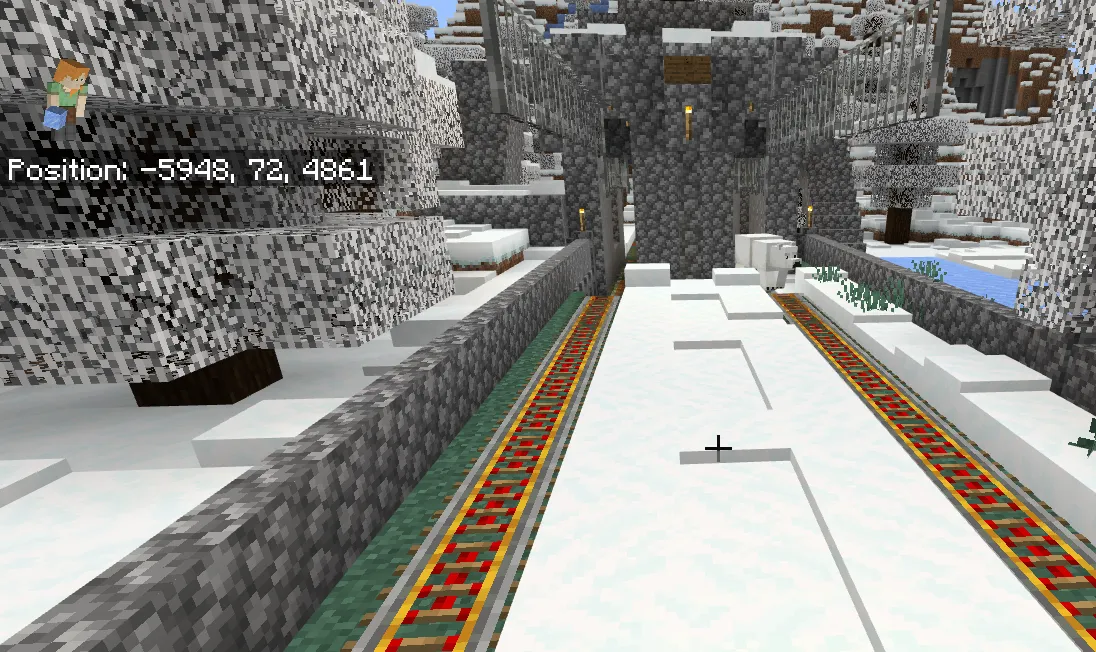
Los osos polares solo desovan en biomas específicos - océano congelado, llanuras nevadas, y taiga nevada. No aparecen de forma aleatoria en todos lados donde ves nieve.
Hay algo particular en la temperatura y el agua que los atrae. En mi antiguo servidor SMP, pasé una cantidad vergonzosa de tiempo buscándolos en pueblos de nieve normal antes de darme cuenta de que necesitaba dirigirme al océano realmente helado. Un error de principiante, honestamente. La mayoría del spawn ocurre en hielo empaquetado - esos bloques de hielo semi-transparentes - en océanos congelados, generalmente en pequeños grupos de uno a cuatro osos.
Raramente los verás en rebaños masivos.
Los osos polares desovan naturalmente de noche y durante la lluvia, así que si los estás cazando, el atardecer es tu mejor momento para salir. En realidad, también pueden desovan durante el día si el nivel de luz es lo suficientemente bajo, así que las granjas cerradas funcionan perfectamente. Lo de la noche y la lluvia es solo cuando el spawn salvaje tiende a ser más frecuente. Algo que vale la pena saber: las tasas de spawn dependen del tope de mobs local. En modo individual, esto suele ser alrededor de 200 mobs en tu distancia de visión. En servidores multijugador, cada jugador obtiene su propio tope, lo cual importa si estás construyendo una granja junto a otra infraestructura. Espácialos adecuadamente y obtendrás mejores resultados.
Comportamiento y Mecánicas de los Osos Polares
Aquí está lo que hace que los osos polares sean realmente peligrosos en comparación con la mayoría de mobs. A diferencia de los mobs neutrales típicos, los osos son genuinamente hostiles si se los provoca. Golpea uno una vez y vendrá por venganza. Esa es la regla básica: atacarán de vuelta.
¿Golpeaste un oso polar bebé? También tendrás a mamá y papá cargando contra ti, porque defenderán a sus crías. Nunca pruebes eso sin armadura adecuada.
Los osos polares bebé son adorables y completamente inútiles para propósitos de granja - no sueltan nada excepto un poco de experiencia. Si estás construyendo una granja, necesitarás separarlos o eliminarlos temprano. Toman alrededor de 20 minutos para crecer en adultos, lo cual es algo a considerar al diseñar el layout de tu granja. Los osos también nadan más rápido a través del agua de lo que esperarías, lo cual sorprende a muchos jugadores. En paquetes de hielo también son razonablemente rápidos. Con alrededor de 30 puntos de salud cada uno, son significativamente más resistentes que la mayoría de mobs neutrales.
No entres sin estar preparado.
Si estás ejecutando un servidor y necesitas controlar quién está cazando activamente en tus zonas de osos polares, configurar una lista blanca ayuda a mantener las cosas organizadas. Honestamente, el Minecraft Whitelist Creator hace que sea bastante sin dolor - toma unos dos minutos para configurar controles de acceso adecuados.
¿Qué Sueltan los Osos Polares?
Mata un oso polar y obtienes experiencia - generalmente 1-3 XP por oso, lo cual honestamente no es mucho. El drop realmente valioso es pez crudo. Sueltan entre cero y dos peces crudos por muerte, pero solo hay aproximadamente un 50% de probabilidad de obtener algo. Así que es aproximadamente un pez crudo por oso en promedio.
Sí, eso es débil para una granja. Estarías mucho mejor pescando con una caña en este punto.
Pero aquí es donde la caza de osos polares se vuelve relevante: si ya estás en esos biomas por otras razones - explorando, construyendo cerca de océanos congelados, mapeando el paisaje - los drops no son completamente inútiles. El pez puede alimentar a tus animales o servir como comida de emergencia. Esos puntos de experiencia se acumulan con el tiempo si eliminas múltiples osos durante una sesión. Es solo que los osos polares no son un objetivo de granja principal. No a menos que estés realmente comprometido con la idea.
Looting III cambia un poco las cosas. Una espada Looting III aumenta los drops máximos a cinco peces crudos por oso.
Construyendo tu Granja de Osos Polares
Si realmente quieres una configuración automatizada, aquí está la estructura básica. Encuentra un área de spawn en un océano congelado y construye una plataforma alrededor del nivel Y-60 para fomentar el spawn natural. Agrega canales de agua para empujar a los osos hacia un punto de recolección, luego suéltalos con daño de caída o ahogamiento. Quieres separar a los bebés de los adultos temprano - usa una brecha de dos bloques para que los bebés no puedan saltar a través.
Esto es lo máximo de granjas de nicho.
No estás construyendo esto por eficiencia o recursos - lo estás haciendo porque puedes, y esa es realmente una razón válida en Minecraft. Algunas de las mejores granjas son las que no sirven para ningún propósito práctico. Existen puramente porque alguien sintió ganas de hacerlas. El daño de caída de 15-30 bloques generalmente los mata limpiamente. El ahogamiento también funciona pero es más lento y a veces te deja con osos dañados a la mitad. Usa tolvas para recopilar los drops después.
Consulta nuestra lista de servidores si quieres ver qué otros jugadores están construyendo. Puedes obtener toneladas de inspiración para diseños de granjas de la comunidad. Mira qué está funcionando en servidores populares.
Una cosa importante: necesitarás que el área de spawn sea lo suficientemente oscura para que los mobs desoven naturalmente, pero no tan oscura que los mobs hostiles se hagan cargo. En biomas nevados esto es más fácil porque los mobs hostiles prefieren otros biomas. Aún así, vale la pena usar losas u otros métodos para controlar dónde sucede el spawn. El spawn de precisión es mejor que simplemente esperar lo mejor.
Consejos de Seguridad para la Caza de Osos Polares
Usa al menos armadura de hierro cuando salgas. La armadura completa de cuero no te protegerá adecuadamente.
Los osos causan suficiente daño para que recibas golpes significativos incluso con protección básica. Aprendí eso de la manera difícil en mi primer viaje. Lleva un escudo si puedes - bloquea completamente su daño de combate. Comida. Lleva mucha.
Derriba los desde una distancia si es posible ya que no son increíblemente rápidos en tierra. Mantén distancia y dispara flechas - las bolas de nieve son inútiles contra ellos, pero ese no es el punto de las bolas de nieve de todos modos. Los osos polares golpean más duro de lo que esperarías para un mob neutral, así que no asumas que puedas simplemente forzar tu camino en una pelea. Si ya estás en combate con un oso y aparece un segundo, irte inmediatamente es tu mejor opción. Estos no son mobs que resistas en peleas prolongadas.
Retrocede y reagrúpate.
¿Vale la Pena?
¿Honestamente? Probablemente no criarás osos polares por su valor de recurso. Simplemente no son lo suficientemente eficientes para eso. Pero son útiles por algunas razones específicas que los hacen dignos de conocer. Si estás explorando océanos congelados de todos modos, los drops son botín bonus. Entender su comportamiento te mantiene seguro cuando los encuentras.
¿Y si quieres hacer una granja solo por el bien de tener una granja rara y de nicho? Ese es el espíritu de Minecraft.

Lead writer at minecraft.how. Long-time Minecraft player running a small SMP server, testing every build, mod, and seed before writing about it.
Have a Question or Tip about this Guide?Community Q&A
Ask a question or help other players below. Join the discussion and share your Minecraft tips!
Comentarios
Aún no hay comentarios. ¡Sé el primero en compartir tu opinión!