Guía de Zombis en Minecraft: Desove, Granja y Botines
Los zombis son una de las granjas de mobs más confiables de Minecraft porque desovan predeciblemente en áreas oscuras y dejan caer botín útil como experiencia y carne podrida. Entender los mecanismos de desove, el diseño correcto de granja y los métodos de recolección significa que puedes configurar una granja de zombis eficiente que alimenta tanto tus necesidades de experiencia como tus proyectos.
Cómo Funciona el Desove de Zombis
El desove de zombis es bastante directo comparado con otros mobs, lo cual honestamente es por qué son tan populares para cultivo. Cualquier área oscura con nivel de luz 0 donde tengas suficiente espacio funciona. Los zombis específicamente necesitan al menos 2 bloques de espacio vertical, y desovan en grupos que van de 1 a 4 mobs a la vez.
Lo clave sobre el desove de zombis es el radio de desove. Los mobs no desovan dentro de 24 bloques de ti, y desaparecerán si estás a más de 128 bloques de distancia. La mayoría de granjas apuntan a la zona óptima de 30-40 bloques de distancia donde el desove se mantiene consistente pero los mobs están lo suficientemente cerca para golpearlos fácilmente. Esa zona de 24 bloques a prueba de desove alrededor del jugador es crucial tener en cuenta al construir cualquier cosa.
La dificultad importa mucho. El modo Difícil desova zombis más frecuentemente y en grupos más grandes, haciendo tu granja mucho más eficiente. En Fácil o Normal, estás viendo tasas más lentas. Probé esto en varios servidores diferentes, y la diferencia entre Normal y Difícil es lo suficientemente significativa que vale la pena cambiar si puedes.
El bioma no afecta realmente las tasas de desove de zombis, contrario a lo que dicen algunas guías.
Construyendo Tu Primera Granja de Zombis
El diseño básico de una granja de zombis es notablemente simple. Necesitas una cámara oscura donde desoven, canales de agua para empujarlos hacia un punto de recolección, un mecanismo de daño (daño por caída, asfixia, fuego), y tolvas para capturar los botines. Eso es realmente todo.
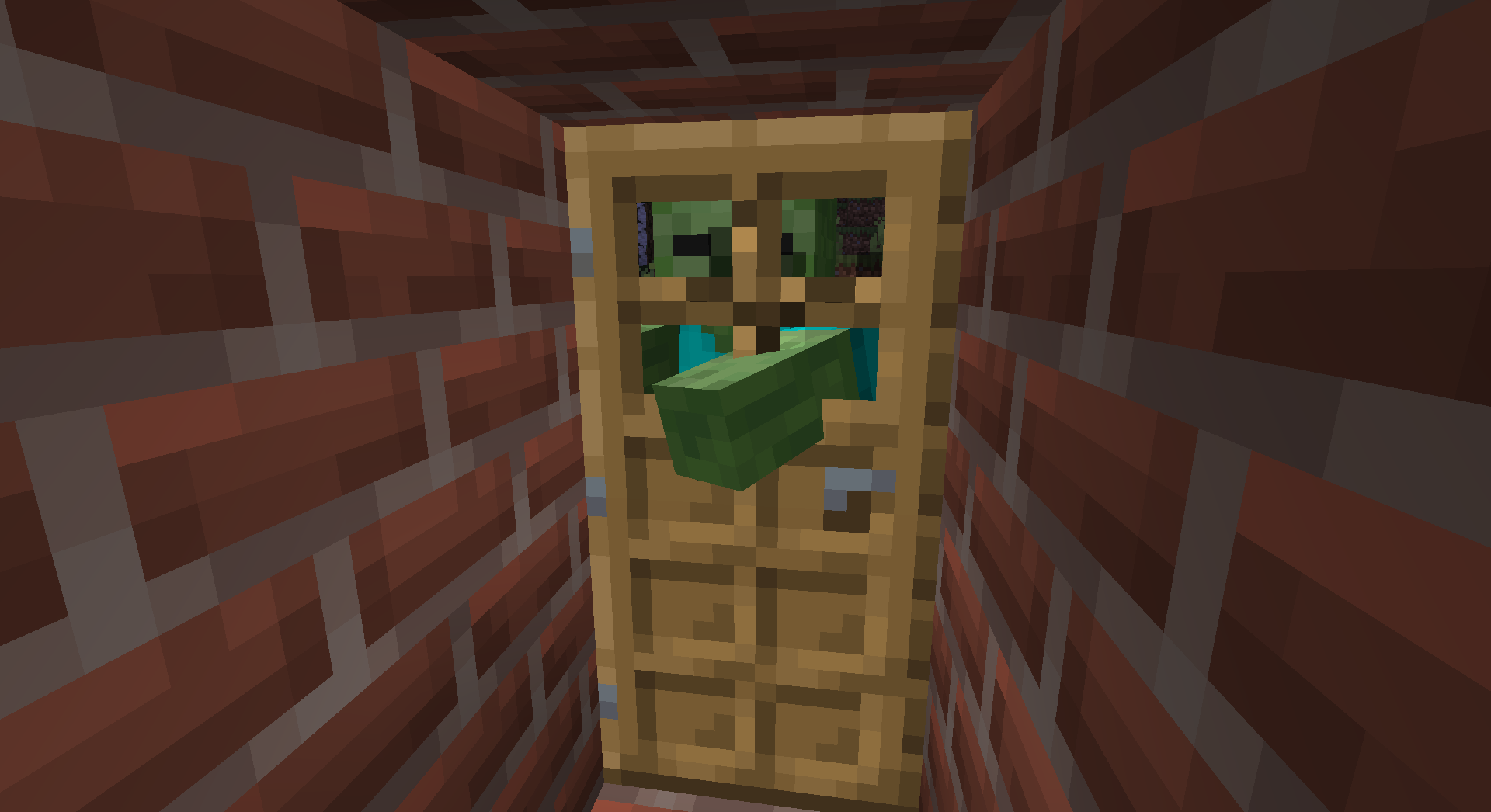
Comienza creando una cámara oscura de 25x25 aproximadamente 30 bloques por encima de donde harás AFK. Usa losas o escaleras en el piso para prevenir que otros mobs desoven mientras permites zombis (necesitan altura de bloque completo). Mantén el techo lo suficientemente alto para generación cómoda de mobs. Cuanto más grande sea tu cámara de desove, más zombis pueden ocuparla a la vez, lo cual aumenta tu producción dramáticamente.
Los canales de agua funcionan genial para mover zombis hacia un punto central. Solo asegúrate de que fluyan hacia tu cámara de daño suavemente. De hecho, debería corregirme aquí - no todos los diseños usan empuje de agua. Algunos usan asfixia de bloques móviles o simplemente confían en daño por caída en cámaras separadas. Diferentes enfoques funcionan dependiendo de tu estilo de juego y recursos.
Para el mecanismo de muerte, una caída de 23 bloques es la opción clásica. Los zombis reciben aproximadamente 10 de daño desde esa altura, dejándolos con aproximadamente media vida. Puedes terminarlos con un solo golpe y recopilar botines. La asfixia de pistones móviles o daño controlado por fuego funcionan igual de bien también. El fuego es sorprendentemente eficiente si lo configuras de forma segura lejos de tu área de almacenamiento.
Qué Dejan Caer los Zombis
Los botines de zombis dependen de si son matados por ti o por daño ambiental.
Cuando los matas directamente, obtienes:
- 0-2 carne podrida (siempre)
- 0-1 lingote de hierro (5% de probabilidad base, aumenta con Saqueo)
- 0-1 zanahoria o patata (solo si el zombi desovó llevando una)
- 5-12 puntos de experiencia
La carne podrida es tu recompensa principal. Acumularás toneladas de ella, y es excelente para restaurar hambre mientras exploras o alimentas lobos en emergencias. Los lingotes de hierro son botín de bonificación sólido, especialmente con una espada de Saqueo III, que aumenta tanto la probabilidad como la cantidad significativamente.
Aquí hay algo importante: los zombis que desovan con armadura mantienen su armadura. Un zombi con un casco no lo dejará caer como botín. Si solo estás cultivando para puntos de experiencia, esto no importa. Pero si quieres maximizar cada recurso posible, ten esto en mente.
Las zanahorias y patatas de zombis son una fuente de comida del inicio del juego adecuada si estás desesperado, aunque cultivarlas correctamente es más eficiente una vez que tengas cultivos básicos.
Configurando Condiciones de Desove Óptimas
El nivel de luz es absolutamente crítico. Aquí está la cosa, quieres cero luz en tu cámara de desove. Cero.

Usa solo bloques sólidos opacos - sin vidrio, sin escaleras transparentes, nada que deje pasar luz. Piedra, tierra, madera oscura, pizarra oscura, lo que sea. Construye lo suficientemente lejos de otras estructuras para que no interfieran con el desove. Las cámaras subterráneas funcionan mejor porque los diseños de superficie lidian con clima, cambios de luz ambiental y complicaciones de iluminación del cielo.
El desove de zombis en realidad se acelera cuando estás parado directamente debajo o muy cerca de tu granja. Estás creando el rango de desove-desaparición perfecto de esa manera. La mayoría de los cultivadores serios construyen una pequeña cámara de AFK 30-40 bloques debajo de la granja, se paran allí sin hacer nada, y dejan que la granja se ejecute automáticamente. Algunas personas incluso usan piscinas AFK o herramientas de click-afk si sus servidores lo permiten.
Si estás en un servidor multijugador, verifica las tasas de desove y la configuración del límite de mobs. Algunas comunidades tienen mecánicas personalizadas que cambian drásticamente el comportamiento predeterminado de Minecraft. Cuando busques en la lista de servidores de minecraft.how, lee las descripciones del servidor cuidadosamente - muchos destacan sus configuraciones favorables para el cultivo.
Elimina otras oportunidades de desove de mobs dentro de 128 bloques de tu granja. Cuevas oscuras, grietas, estructuras sin iluminar, calabozos abandonados - todas compiten con tu granja por el límite de mobs. Esta es la razón por la que las granjas subterráneas superan a las basadas en el cielo. Menos competencia por espacios de desove.
Diseños de Granja Eficientes para Máxima Producción
Apilar múltiples cámaras de desove aumenta dramáticamente la producción. En lugar de una cámara de 25x25, construye varias apiladas verticalmente con espaciamiento adecuado entre ellas. Cada cámara genera independientemente, multiplicando tu producción.
El diseño clásico de plataforma estratificada usa canales de agua alimentando hacia abajo en un punto de recolección central con una trampa de daño por caída en el fondo. Es eficiente, relativamente compacto, y funciona perfectamente en Minecraft 26.1.2. Otros creadores han construido granjas masivas alcanzando 1000+ zombis por hora usando principios apilados similares y optimizaciones.
También puedes ser minimalista. Una plataforma de 5x5 única con un canal de agua y daño por caída funciona para cultivo casual en el juego temprano. No te hará rico en recursos, pero te dará experiencia decente y mucha carne podrida para necesidades básicas de supervivencia sin mucha complejidad o tiempo de construcción.
La arena del alma y las columnas de burbujas merecen mención. Te permiten empujar mobs hacia arriba antes de que caigan, dando más control sobre el movimiento de mobs. Estos añaden complejidad pero permiten diseños más comprimidos y eficientes en espacio limitado.
Errores Comunes que la Gente Comete
La mayoría de los fallos de granja de zombis vienen de problemas de desove, no de defectos de diseño. Los mobs necesitan condiciones específicas.
Los bloques transparentes en tu cámara de desove desactivan el desove en esos puntos. Lo mismo sucede si dejas losas parciales sentadas encima de bloques completos - los zombis las ven como bloqueadas. Revisa tu piso cuidadosamente. Incluso fugas de luz ligeras desde afuera reducirán las tasas de desove significativamente.
Espacio oscuro insuficiente es otro asesino. Necesitas volumen real, no una sala abarrotada. Una cámara que es demasiado pequeña o tiene fugas de iluminación apenas desovará nada significativo. La mayoría de la gente subestima cuánto espacio en realidad necesitan para tasas de desove decentes.
Los problemas del límite de mobs frecuentemente pasan desapercibidos. El límite de mobs total del servidor (usualmente 70 mobs por jugador) cuenta todos los chunks cargados. Si tienes una granja de pollos, granja de slime, y granja de guardianes funcionando simultáneamente, tu granja de zombis podría apenas desovar algo porque el límite está lleno. Conocer tu entorno completo de cultivo importa.
La gente también olvida dejarse espacio para realmente golpear a los zombis. Si tu cámara de daño es demasiado apretada, serás rodeado y morirás. Siempre diseña con acceso del jugador y seguridad en mente.
Si estás configurando operaciones de cultivo serias, la conectividad de red confiable importa. Si tu conexión del servidor cae frecuentemente, el tiempo de actividad de tu granja sufre. Las herramientas DNS gratuitas de minecraft.how pueden ayudar a solucionar problemas de conectividad que podrían afectar tus sesiones de cultivo multijugador.
Más Allá del Cultivo Básico
Una vez que tu granja de zombis funciona, puedes optimizar para diferentes propósitos. Algunos jugadores ejecutan múltiples granjas - una optimizada para XP (te quedas cerca y golpeas cada zombi), otra para cultivo sin intervención (el daño por caída maneja la muerte mientras haces AFK).
Esa carne podrida no es solo comida de emergencia. Es compostable para huesos, que se convierten en harina de hueso. La harina de hueso acelera el crecimiento de cultivos significativamente. Si estás ejecutando diseños de granja automatizados, una granja de zombis alimentando un compostador alimentando un sistema de harina de hueso puede acelerar sustancialmente todo lo demás que estás haciendo.
Siempre prueba tu diseño antes de escalar completamente. Construye un pequeño prototipo, verifica las tasas de desove, haz ajustes. Desperdiciar recursos en una granja que no funciona correctamente es frustrante y consume muchos recursos.

Lead writer at minecraft.how. Long-time Minecraft player running a small SMP server, testing every build, mod, and seed before writing about it.
Have a Question or Tip about this Guide?Community Q&A
Ask a question or help other players below. Join the discussion and share your Minecraft tips!
Comentarios
Aún no hay comentarios. ¡Sé el primero en compartir tu opinión!