Skip to content
블로그로 돌아가기
Overworld map showing diverse Minecraft biomes from desert to cherry grove

Minecraft Biomes Explained: Best Picks, Rarities, and Uses

ice
ice
@ice
813 조회수

Minecraft biomes decide your food, mobs, weather, resources, and even how fast your world becomes playable. In 2026, the smartest way to handle minecraft biomes is to route by purpose, not vibes: early survival, farm setup, travel, then long-term base plans.

Minecraft biomes in 2026: what changed and what matters

If you haven't played seriously for a while, biome choice now matters more than ever because worldgen encourages big transitions, and those transitions affect your first few in-game days hard. You can go from lush abundance to hostile terrain in a short ride, and that can either feel amazing or deeply annoying depending on your prep.

PCGamesN reported that Mojang has stayed on a roughly quarterly drop rhythm, with themed updates arriving more often than the old once-a-year style. That means biome strategy is less about one giant rewrite and more about keeping up with smaller systemic tweaks, mob behavior changes, and quality-of-life additions.

And yes, players still underestimate this.

I see the same pattern on community SMPs: people pick a gorgeous spawn, then spend hours commuting for wood, animals, and key farm materials. On a private server I tested with friends, we moved our starter town from a dramatic mountain edge to a boring plains-river junction and instantly cut early grind time by half. Exciting skyline, terrible logistics. Pretty common mistake.

Biome planning sounds sweaty, but it's actually the lazy option. Do ten minutes of route planning once, save dozens of random boat rides later.

Best minecraft biomes for survival progression

Not every biome needs to be your home. Some are for living, some are for looting, some are for grabbing one thing and leaving.

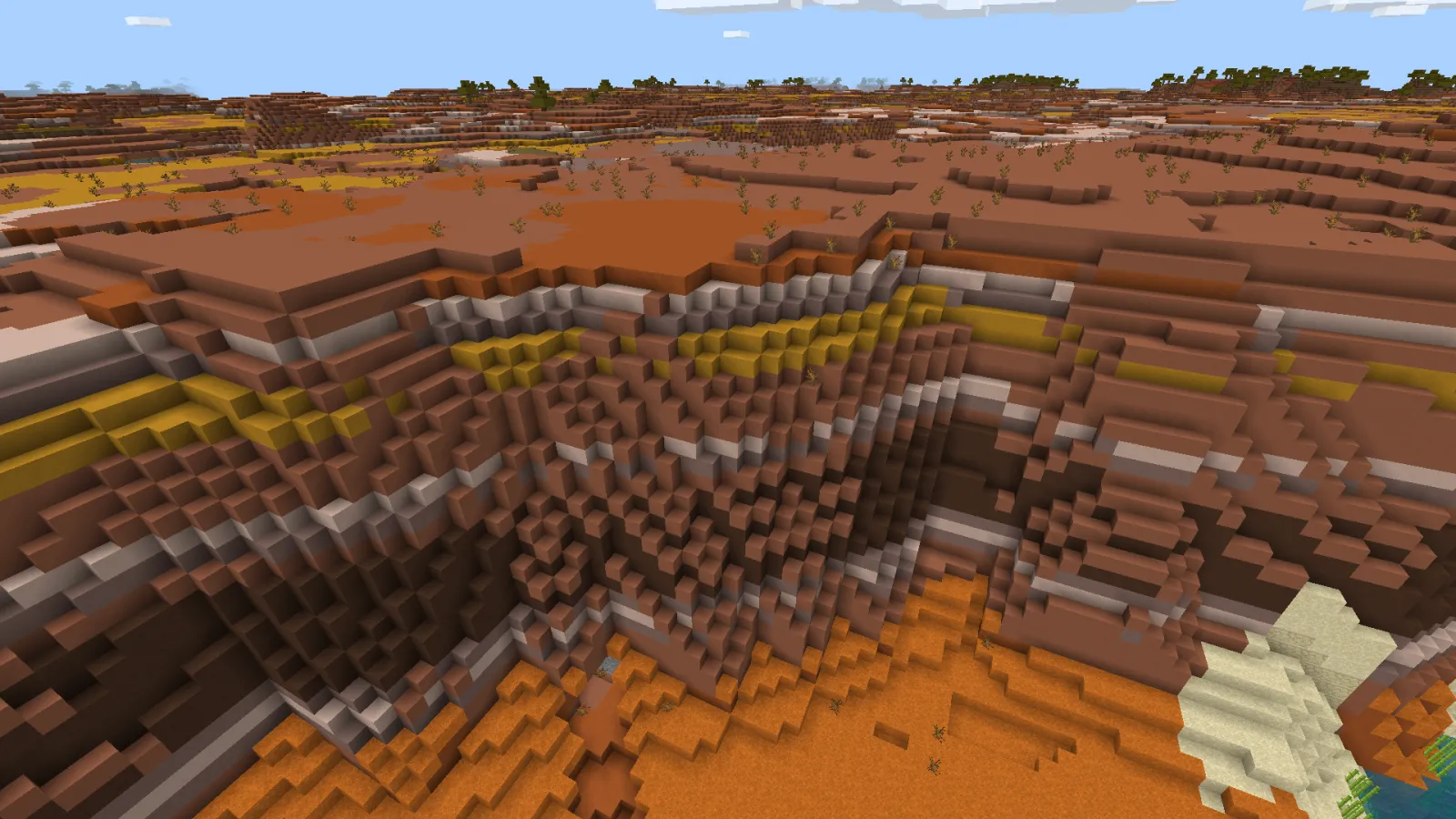
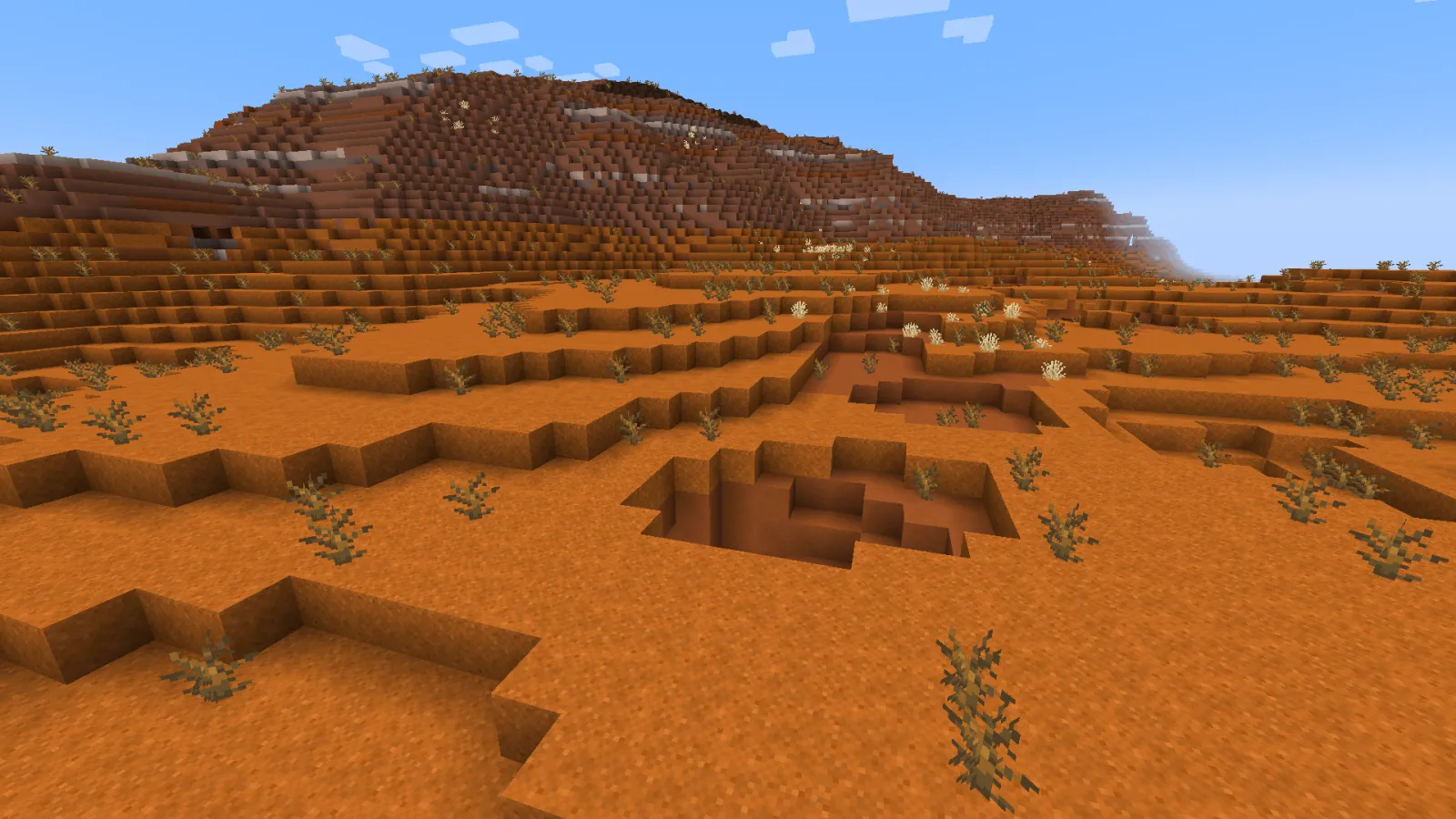
Badlands Plateau in Minecraft

Early game biomes that make life easier

  • Plains: Fast food setup, easy animal spotting, clean building space, village chance. Still the safest all-round start.
  • Forest (mixed oak/birch): Reliable wood and decent shelter options. Great if plains is nearby.
  • Savanna: Quick visibility and village potential, but watch your hunger plan because local food can feel uneven.
  • Meadow near mountain base: Excellent starter beauty with practical upside if lower biomes are close.

My pick for new worlds is plains next to river plus one forest edge. So it is not glamorous, but it works every time. You can expand farms, breed animals, and connect roads without fighting terrain every 20 blocks.

Mid game biome targets

  • Swamp and mangrove swamp: Slime access and unique materials. Ugly to build in, very useful to own.
  • Taiga and old growth taiga: Spruce for bulk building and easier berry backups.
  • Desert: Sand supply and temple loot runs. Also, flat real estate for big technical builds.
  • Jungle: Bamboo and wood variety, but navigation can be a headache.

Jungle looks like paradise in screenshots. Then you try moving villagers through it and reconsider several life decisions.

Late game biome value

Late game is about specialization. Snowy biomes can simplify certain mob controls, mushroom fields are famously safer from hostile spawns, and deep ocean zones can support massive projects if you're willing to drain or build above water. I used to call mushroom fields overrated, actually, that isn't quite right. They're amazing for peace and utility, they're just miserable if you wanted scenic vertical terrain.

Rarest minecraft biomes and how to find them faster

Rare biome hunting is fun for about twenty minutes, then it becomes a logistics problem. So treat it like one.

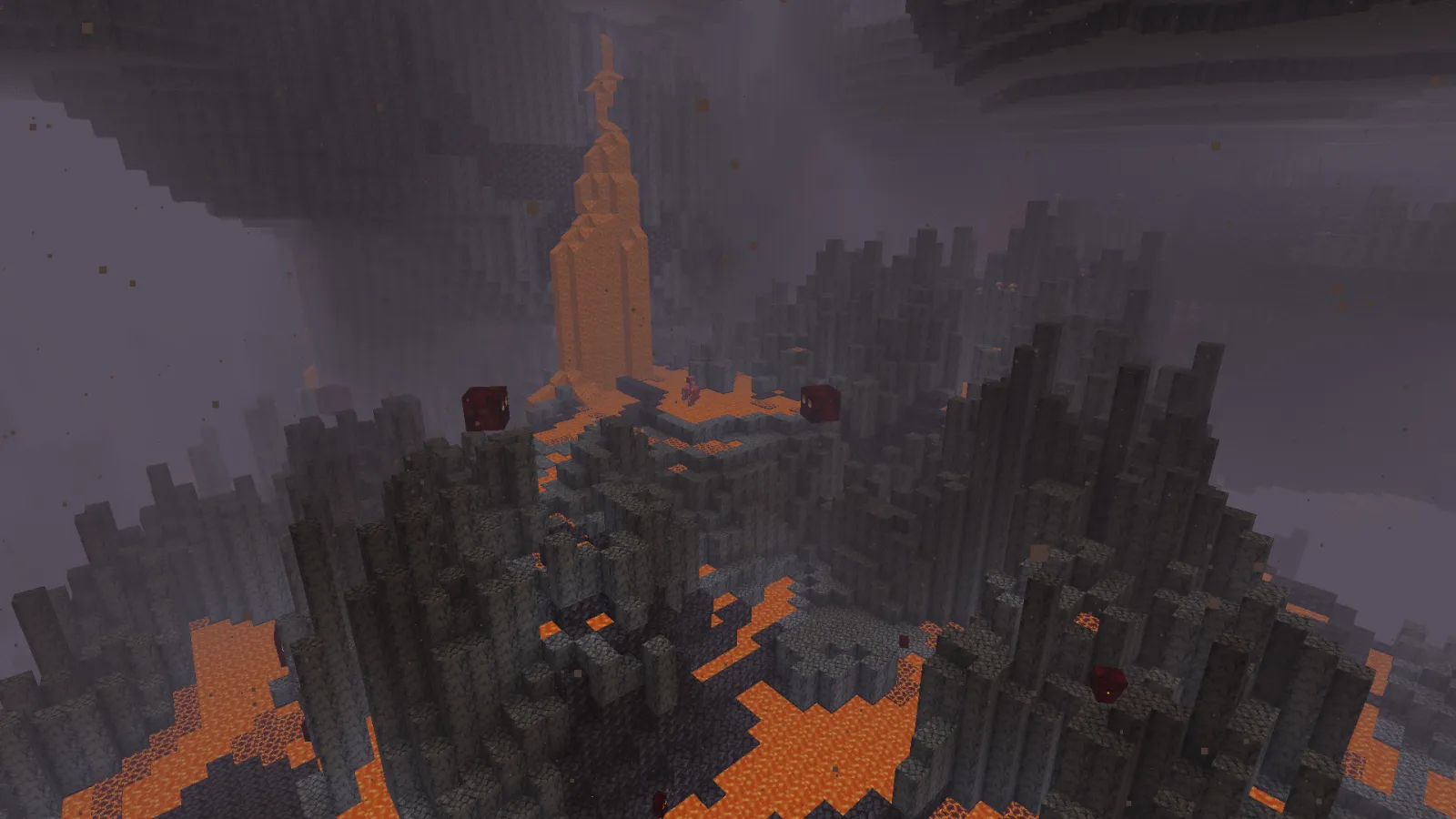
Basalt Deltas in Minecraft

Use a seed-aware tool if you aren't doing a purity run. Seriously. If your goal is a build video, server economy setup, or speedy achievement path, there is no trophy for wandering aimlessly for three hours. Save the blind exploration for a different world where that is the point.

The rare biome list that players care about most usually includes mushroom fields, badlands variants, ice spikes, and some mountain-edge combinations with cherry groves nearby. Terrain blending can create incredible screenshots, but it can also create cursed travel routes where every path is a cliff.

What works in practice:

  1. Lock a seed and decide your real objective first (build palette, mob farm, scenic base, or all of it).
  2. Mark high-value biome coordinates before your first long expedition.
  3. Carry portal materials so you can establish nether shortcuts instead of overland commuting.
  4. Drop temporary outposts with beds and basic food production in transition zones.

One caveat: if you're on a public server with custom generation or plugins, external biome maps can be wrong. Test with a short scout run before committing an infrastructure project.

Biome mechanics most players forget (until something breaks)

This is the unglamorous section, and it's probably the one that saves your world.

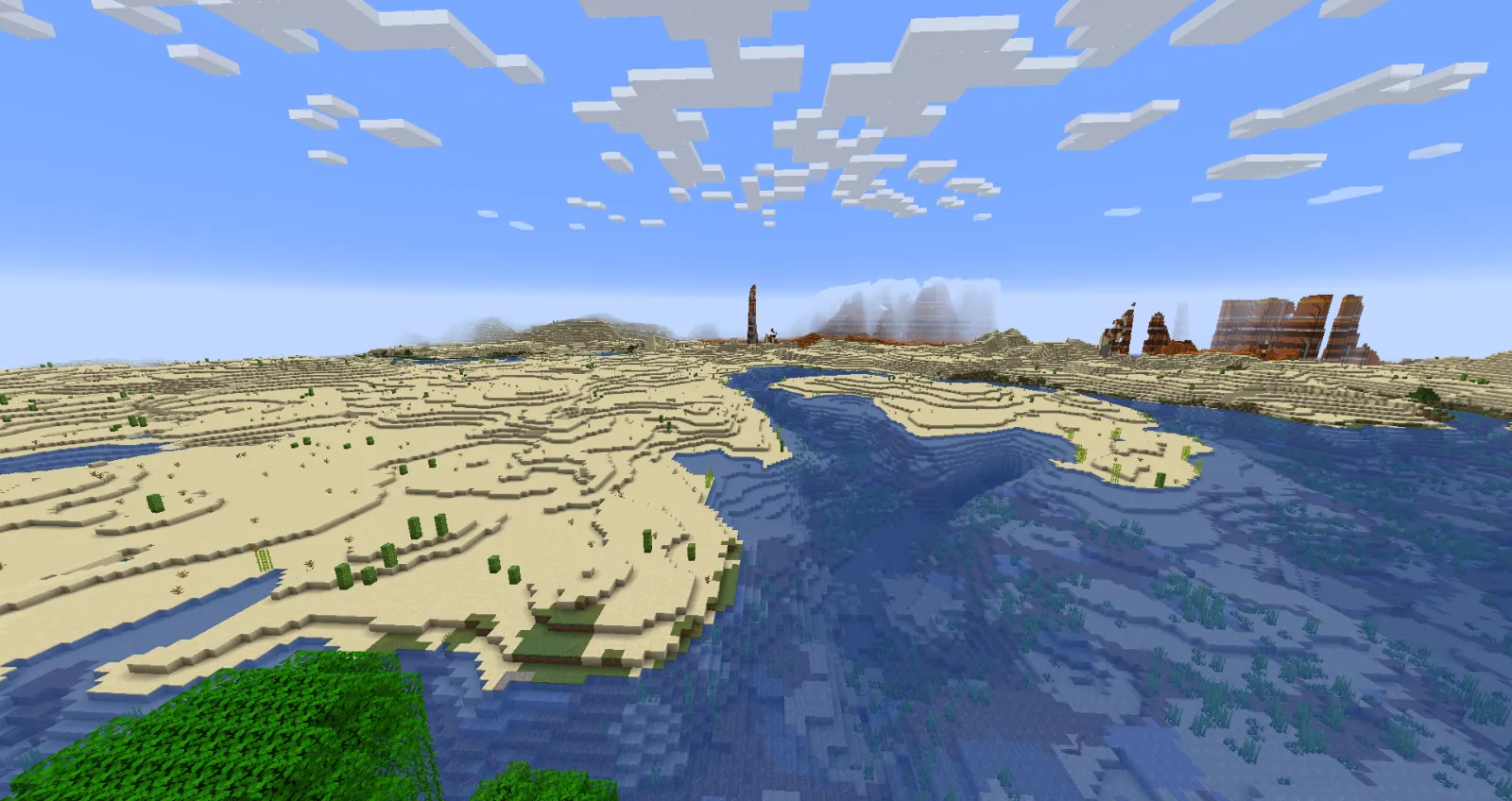
1.19 panorama in Minecraft

Biome mechanics control more than visual flavor. They influence precipitation, water and grass color, ambient sound feel, some spawn behavior, and practical farm reliability in specific setups. If a build looked perfect in creative test but behaves oddly in survival, biome context is often the missing piece.

The Minecraft Wiki lists biome-specific behavior in far more detail than most guides, and it's worth checking when you're troubleshooting weird mob rates or weather expectations. I still do this mid-project because memory lies, especially after a long break.

  • Temperature category: Affects snow and rain behavior, which changes visual clarity and some building assumptions.
  • Humidity cues: Impacts atmosphere and can alter how your palette reads at scale.
  • Mob conditions: Some strategies feel inconsistent because they're, biome context shifts results.
  • Terrain shape: Flat biomes reduce build friction, rugged biomes increase travel and transport cost.

And yes, your base can be beautiful and impractical at the same time. I've built that base. Twice.

Best minecraft biomes for building styles and server roles

Biome selection gets more interesting when you stop asking what's strongest and start asking what's strongest for a specific role. Single-player survival needs differ from SMP commerce hubs, faction borders, or creative showcase districts.

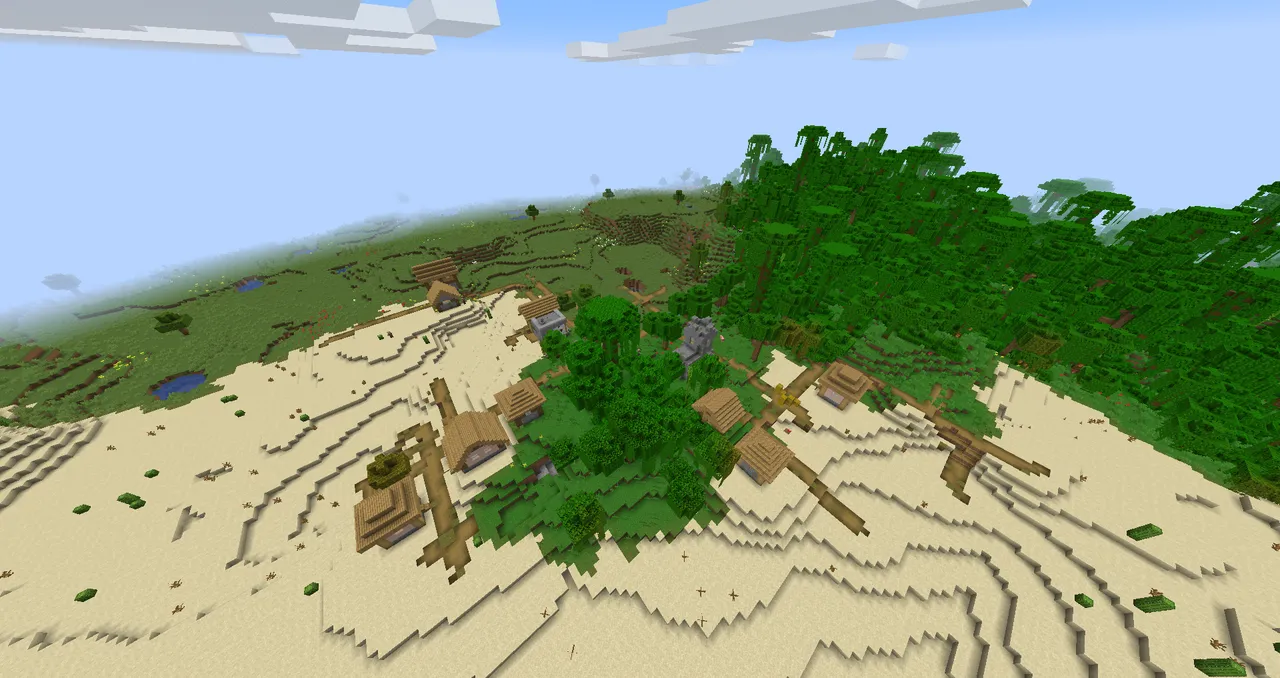
3biomesvillage in Minecraft

For builders, I split biomes into three buckets: neutral canvases, style amplifiers, and technical work zones. Plains and deserts are neutral canvases, they stay out of your way. Cherry groves, snowy slopes, and badlands are style amplifiers, they add drama instantly. Oceans and remote plateaus are technical zones, especially for lag-conscious projects where separation helps control entity chaos.

On one mid-size SMP, we placed the shopping district in plains for visibility and easy navigation, then put themed neighborhoods in matching biomes: spruce-heavy builds in taiga, clay-heavy workshops near badlands, and a quiet farming enclave beside a river meadow. Travel made sense, aesthetics stayed coherent, and nobody got lost every time they needed carrots. Revolutionary concept, I know.

Bedrock players, quick correction for cross-platform expectations: parity keeps improving, but performance and simulation behavior can still feel different depending on device and settings. So if a Java biome-based farm tutorial seems off, test smaller first before full-scale copy-paste.

Minecraft biomes strategy for a fresh 2026 world

If you want one practical blueprint, use this:

  1. Spawn day: secure food, bed, and wood in a forgiving biome (usually plains/forest edge).
  2. Day 2-4: scout a 1,000 to 2,000 block radius for swamp, desert, village, and one scenic long-term base area.
  3. Week 1: build nether links between starter base and your two highest-value biome targets.
  4. Week 2: assign biomes by job, farming biome, industrial biome, residential biome, exploration biome.
  5. After that: optimize transport before you decorate everything.

Most players do this backward. They decorate first, then fix infrastructure later while muttering at minecart rails.

So what's the best biome in Minecraft? Wrong question. The best set of minecraft biomes is one that cuts travel time, supports your farms, matches your build style, and stays fun after the novelty wears off. Build a biome network, not a postcard.

That's the 2026 mindset.

Frequently Asked Questions

How many biomes are in Minecraft now, and does it differ by edition?
The exact count depends on how you classify variants, sub-biomes, and technical categories, so different lists can look inconsistent. Java and Bedrock are much closer than they used to be, but edge-case behavior and generation details can still differ. If you need precision for a project, check the current biome registry for your edition and version, then test your seed directly instead of relying on older charts.
What is the safest biome for a beginner who keeps dying early?
Plains is usually the safest practical start because visibility is high, terrain is easy to traverse, and villages are more likely nearby. Pair that with a neighboring forest for wood and a river for early mobility, and your first nights become much easier. The key is not just safety, it is low-friction progression: food, shelter, and quick expansion without terrain fighting every minute.
Do biomes really affect farm rates, or is that mostly myth?
Biomes can matter, but not every farm is heavily biome-dependent. Weather behavior, terrain shape, spawn conditions, and local mob competition can all influence consistency. Many players copy a farm design and ignore location assumptions, then wonder why rates are worse. Test your setup in the intended biome first, confirm basic throughput, and only then invest in full-scale infrastructure and decoration.
Is it better to build one mega-base or spread across multiple biomes?
Multiple biome hubs usually win for long-term survival worlds, especially if you care about farms and material diversity. A single mega-base looks great but often creates long supply trips. A network approach works better: one main home, then specialized outposts connected by Nether portals. You keep visual identity and reduce grind, which is what keeps a world playable for months instead of weeks.
What is the fastest way to find rare biomes without cheating too hard?
Pick your target list first, then scout with intent instead of random wandering. Use chunk maps or seed tools if your world rules allow it, then verify locations in-game before large builds. Bring portal materials to convert distance into Nether travel quickly. If you prefer pure exploration, use high-ground scan loops and map your route carefully, but accept that this method is slower and luck-dependent.