How to Build an Efficient Mob Grinder in Minecraft
A mob grinder is a structure that automatically kills mobs to harvest drops and experience points. The basic setup uses a spawner or spawn platform, a fall shaft for damage, and a collection system below. They're the closest thing to passive income Minecraft has to offer.
What Counts as a Mob Grinder?
First thing: let's be clear on terminology. A mob grinder and a mob farm aren't the same thing. A farm spawns and collects mobs. A grinder kills them. Most of what people build combines both, but the killing mechanism is what makes it a grinder. You're automating the tedious part so you can collect the loot without standing there swinging a sword for hours.
I've built maybe a dozen of these on various SMP servers, and honestly, the appeal never gets old. There's something satisfying about watching mobs funnel down a chute and vanish at the bottom while you're off doing something else. When you come back and find 60 levels waiting for you, it feels like cheating (in the best way).
The Core Mechanics
All grinders rely on three things: spawning, transport, and execution.
- Spawning - Mobs spawn naturally or via spawners depending on your design. Natural spawning needs darkness and certain blocks. Spawners are more reliable but need finding first.
- Transport - Water flows, fall shafts, and redstone mechanisms move mobs to the kill zone. Gravity's your friend here.
- Execution - Fall damage is the usual method, though suffocation, fire, and other hazards work too. The goal is drops and XP, and different mobs give different rewards.
The height you need to fall? For most mobs, 20-24 blocks deals lethal damage. Damage scales from about half a heart per block after a certain threshold. Test it yourself though, since fall damage changed between versions.
Building Your First Grinder
Start simple. Don't overthink this.
Pick a spawn chamber first. If you're using a natural spawner (those dungeon ones you stumble into), clear the space around it in a 128-block radius to prevent lag from natural spawns happening elsewhere. Build a 16x16 platform roughly at spawner level and pave it with spawn-friendly blocks (stone, dirt, whatever the mob needs). Mob-proof everything outside this platform with slabs, buttons, or carpets so mobs can't escape sideways.
Next, route them downward. A water channel pointing toward a hole works fine. Some people use suffocation chambers (pushing mobs into blocks with pistons), but water's simpler to start with. The mobs flow toward your kill shaft.
At the bottom, place the drop. A 20-block fall shaft gets you there. Mobs land in a collection pit with hoppers feeding into chests. Add water at the bottom to push items toward those hoppers, or use soul sand and bubble columns for vertical transport. Actually, wait - that's more complex than needed at first. Just use hoppers directly under the drop zone and they'll catch most items.
Redstone optional at this stage. Build, test, tweak.
What Mobs Work Best
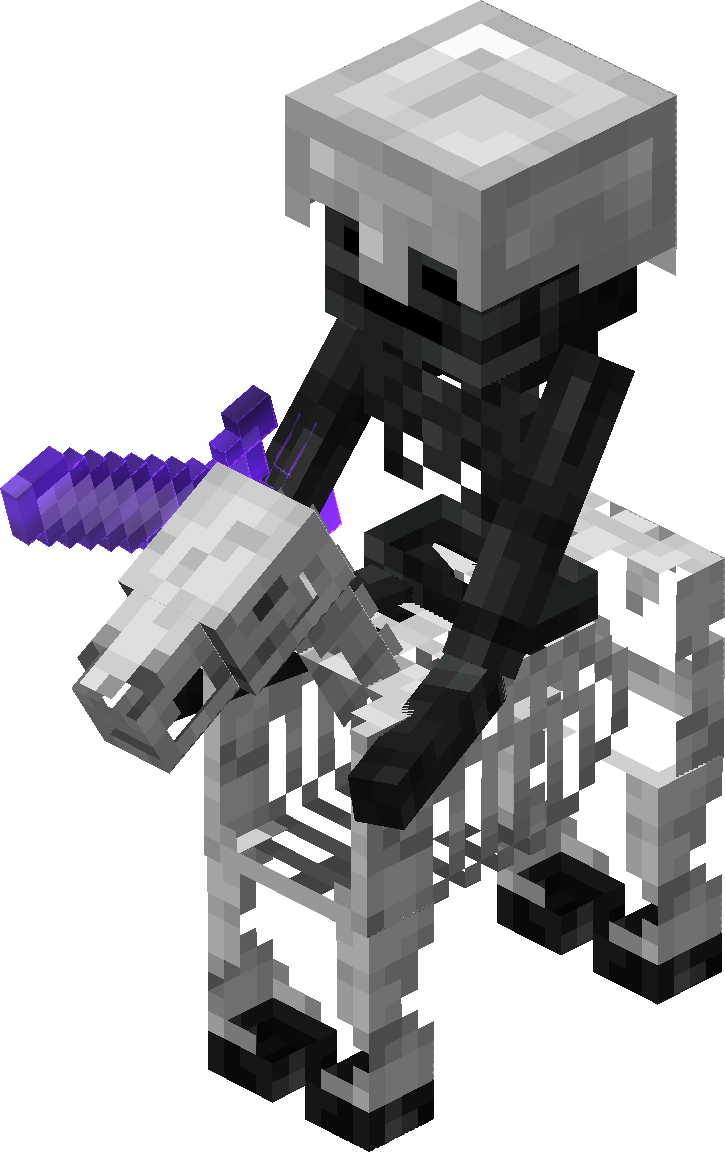
Creepers, skeletons, and zombies are the obvious choices. Honestly, easy to spawn, they drop gunpowder, bones, and rotten flesh respectively. But honestly, if you're after pure XP, wither skeletons are absurd (they give 5 XP per kill, double most others). The catch? You need a nether fortress, and they're in a hotter climate.
Endermen drop ender pearls, which are endgame currency. Problem is they're finicky about spawning - too many light sources nearby and they won't spawn. Pigmen in the nether give gold, which smelts to nuggets, which craft to blocks, which sells for decent emeralds if you're on a server with community economies advertised in your server MOTD.
For pure farmability though? Zombies and skeletons. Build it right and they spawn infinitely.
Mistakes Everyone Makes Once
Building the spawn platform too small means mobs cluster and can't spawn efficiently. Go at least 16x16, bigger if you've got space.
Not lighting up the surrounding area is worse. Natural spawns will happen everywhere except your platform, wasting the farm's efficiency. Clear out caves for a solid 128 blocks (that's the mob spawn sphere) and light them up. Or build it at sea level where caves are fewer.
Forgetting the AFK anchor. If you're not standing near the spawner when you go AFK, chunks unload and spawning stops. Build a safe box within 128 blocks of the spawner, or use a chunk loader if mods allow.
Using half-slabs to mob-proof things (seriously, they can spawn on top of slabs). Buttons, trapdoors, and carpets are your friends.
Pushing It Further
Once your basic grinder runs, optimization becomes the game. Stacking multiple spawners multiplies output. A stacked farm with four spawners gives ridiculous XP rates - we're talking 100+ levels in an hour if built right.
Height optimization matters too. Drop them 32 blocks instead of 20 and you reach the damage cap, meaning any extra fall is wasted. Learn the exact mechanics and you'll see faster kill rates.
Redstone adds complexity but efficiency. Piston-based suffocation chambers kill mobs faster than fall damage. Flying machine loaders transport mobs horizontally. Smart sorters separate items by type. These are fun projects if you enjoy technical gameplay, but they're not necessary for results.
And if you're playing multiplayer, maybe coordinate with your friends using custom skins from our gallery to make grinding sessions feel more like team events than solo grinds.
Testing Before Commitment
Test in creative first. Seriously. Build a small prototype, watch how mobs behave, see where they cluster or escape. It only takes 20 minutes and saves hours of redoing things in survival mode.
Check your Minecraft version too. We're on 26.1.2 now, and mob behavior's been pretty stable, but spawning mechanics shift occasionally. What worked in 1.20 might need tweaking now. The wiki's your friend here.
One last thing: if your grinder lags, it's usually because natural spawns are happening outside your farm. Fix the lighting and chunk loading before blaming design.

Lead writer at minecraft.how. Long-time Minecraft player running a small SMP server, testing every build, mod, and seed before writing about it.