LeviLamina: Essenciais para Modding do Bedrock
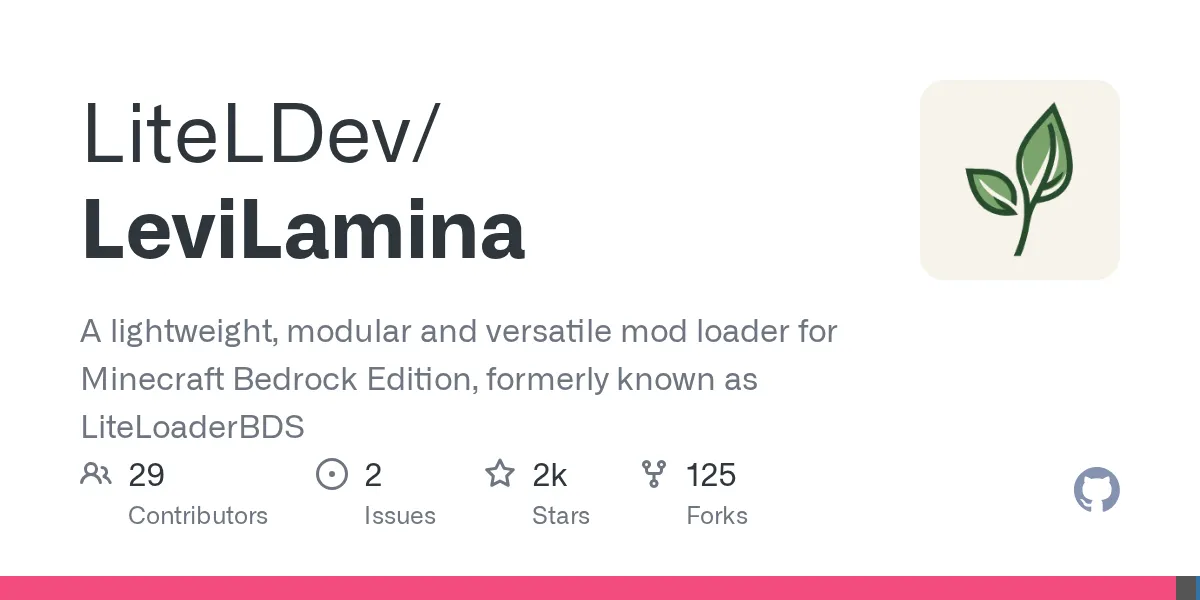
"Um carregador de mods leve, modular e versátil para Minecraft Bedrock Edition, anteriormente conhecido como LiteLoaderBDS"
LiteLDev/LeviLamina · github.com
Quer adicionar recursos personalizados ao Minecraft Bedrock mas não sabe por onde começar? LeviLamina é um carregador de mods que remove as barreiras técnicas e fornece as ferramentas de API para construir mods em C++. É o que torna possível estender o Bedrock Edition de verdade.
O que Este Carregador Faz
LeviLamina é fundamentalmente uma ponte entre você e os sistemas internos do Minecraft Bedrock. Mas fornece os hooks, APIs e infraestrutura de eventos que os canais oficiais não expõem. Sem ele (ou algo similar), fazer mods no Bedrock significa lutar contra a arquitetura fechada do jogo.
LeviLamina era anteriormente conhecido como LiteLoaderBDS, o que indica que existe há um tempo. O projeto agora tem 1.553 estrelas no GitHub, mostrando que tem real tração na comunidade de modding do Bedrock. Seu lançamento mais recente, v26.10.10, acompanha a numeração de versão atual do Minecraft (26.10.x), mantendo as ferramentas sincronizadas.
Pense assim: modders de Java Edition têm Forge, Fabric e Quilt. Modders de Bedrock têm essencialmente nada oficial. LeviLamina preenche esse vazio. Você obtém uma API completa, um poderoso sistema de eventos, interfaces de utilidade e a infraestrutura para realmente escrever extensões de funcionalidade em C++.
Por Que Fazer Mods no Bedrock Sempre Foi Complicado
Java Edition tem um ecossistema de modding próspero. Centenas de carregadores, milhares de mods mantidos pela comunidade, anos de conhecimento acumulado.
Bedrock Edition? Totalmente fechada. Sem carregador de mods oficial. A API de Scripting oficial existe, mas é intencionalmente limitada por motivos de segurança. Quer adicionar blocos customizados? Criar criaturas personalizadas? Conectar a eventos que não existem na API pública? Está sem sorte a menos que faça engenharia reversa do Bedrock.
É a lacuna que LeviLamina preenche. Expõe os internos que a API oficial deliberadamente oculta. O resultado fornece um sistema de eventos onde você pode responder a qualquer ação do servidor. Isso permite consultar e modificar o estado do jogo diretamente. Para modders sérios do Bedrock, isso é indispensável.
Instalação e Configuração
Colocar LeviLamina em funcionamento envolve baixar o carregador pré-construído do GitHub e integrá-lo ao seu servidor ou cliente. O processo é direto, mas requer alguma familiaridade com sua configuração.
Para um servidor, você pega o pacote de versão do servidor na página de versões do GitHub:
# Baixe o lançamento mais recente do servidor LeviLamina
wget https://github.com/LiteLDev/LeviLamina/releases/download/v26.10.10/levilamina-v26.10.10-server-release-windows-x64.zip

# Extraia para seu diretório Bedrock Dedicated Server
unzip levilamina-v26.10.10-server-release-windows-x64.zip -d /path/to/bedrock-server
O projeto fornece compilações separadas: versões debug e release para servidor e cliente. Windows x64 é o alvo principal. Se precisar de outras plataformas, a base de código C++ pode ser compilada a partir do código-fonte com ferramentas adicionais.
A instalação do cliente segue o mesmo padrão, mas usa o pacote de versão do cliente. O guia completo de instalação e configuração fica no site de documentação oficial, que cobre ambos os cenários em detalhes.
Recursos Principais que Importam
O sistema de eventos é onde LeviLamina fica interessante. Seus mods podem conectar a eventos de jogador (entrada, saída, movimento), interações de bloco, uso de itens, combate e muitos outros. Escreva uma função manipuladora de eventos, registre-a no LeviLamina, e ela será chamada sempre que esse evento dispara. Se trabalhou com Fabric ou Forge, esse padrão será familiar (embora a API seja diferente).
A API fornece acesso direto ao estado do jogo. Entidades, blocos, jogadores, itens, comandos - tudo exposto através de interfaces C++ limpas. Você pode consultar dados do mundo, modificar o estado do jogador, gerar efeitos, registrar comandos. É o conjunto de ferramentas completo que você esperaria de uma plataforma de modding séria.
O registro de comando é sólido. Você pode adicionar comandos de servidor customizados que se integram naturalmente com a forma como os jogadores interagem com o servidor. Se estiver construindo mods de servidor que envolvem votação ou recursos comunitários, há um Testador de Votifier do Minecraft disponível se precisar validar mecânicas de votação em seus mods.
O tratamento de erros é pensado. Os lançamentos mais recentes mencionam suporte de internacionalização para mensagens de erro, o que é um toque legal. Quando as coisas quebram (e quebram durante o desenvolvimento), você obtém saída de erro legível em vez de códigos crípticos.
Armadilhas Comuns
A compatibilidade de versão é o maior problema. LeviLamina se vincula fortemente à estrutura interna do Minecraft, então versões incompatíveis causam travamentos ou comportamento indefinido. O lançamento v26.10.10 corresponde ao Minecraft 26.10.x. Se está em 26.9.x ou 26.11.x, precisa da compilação correspondente do LeviLamina. Não há camada de compatibilidade retroativa aqui.
Conflitos de mods acontecem.
Diferente do Forge que tem resolução sofisticada de dependências, mods do LeviLamina podem interferir um com o outro se ambos conectarem aos mesmos eventos ou modificarem estruturas de jogo sobrepostas. Na verdade, isso só importa se não projetar com cuidado - o sistema de eventos suporta múltiplos ouvintes, mas você precisa pensar em ordem de manipuladores e gerenciamento de estado.
A documentação fica para trás. O projeto é ativo e está melhorando (versões regulares, comunidade Discord, presença crescente no GitHub), mas a documentação ainda tem lacunas. Esta comunidade no Discord e Telegram pode ajudar quando você bate em uma parede, mas às vezes a resposta requer ler o código-fonte ou perguntar aos mantenedores diretamente.
Ao desenvolver mods que interagem com blocos, é útil conhecer os IDs de bloco e variantes. Se estiver procurando especificações de bloco enquanto codifica, há uma ferramenta Busca de Blocos do Minecraft disponível para referência rápida.
Considerações de performance também importam. Mods em C++ rodam nativamente, então são mais rápidos que linguagens interpretadas, mas manipuladores de eventos mal escritos ainda podem prejudicar os ticks do servidor. Se estiver rodando múltiplos mods simultaneamente, analise-os e otimize os caminhos críticos.
Alternativas que Valem a Pena Conhecer
Se LeviLamina não é seu caminho, há outras opções.
A API de Scripting oficial do Minecraft está melhorando a cada lançamento. Usa JavaScript e é intencionalmente limitada por segurança, mas é adequada para ajustes mais simples. O compromisso é poder - você obtém segurança e estabilidade mas menos controle.
Para Java Edition, Fabric e Forge são ecossistemas maduros com comunidades massivas. Se puder trabalhar em Java em vez de C++, são mais estáveis e melhor documentados. Centenas de mods existentes significam que você pode estudar código real.
Há também abordagens ScriptEngine usando Lua ou outras linguagens incorporadas, embora estas sejam tipicamente mais lentas e menos integradas que o ambiente C++ nativo do LeviLamina.
Na prática, se quer fazer mods no Bedrock em nível sério, LeviLamina é sua melhor opção. O ambiente C++, sistema de eventos e API estão adiante de qualquer outra solução disponível para estender o Bedrock Edition.
LiteLDev/LeviLamina - LGPL-3.0, ⭐1.553
Lead writer at minecraft.how. Long-time Minecraft player running a small SMP server, testing every build, mod, and seed before writing about it.
Perguntas Frequentes
Como faço a instalação do LeviLamina no servidor Bedrock?
Qual a versão atual do LeviLamina e a que versão do Minecraft ela acompanha?
Quais recursos principais o LeviLamina oferece aos criadores de mods?
Quais são as armadilhas mais comuns ao usar o LeviLamina?
Onde posso buscar ajuda ou documentação para o LeviLamina?
Have a Question or Tip about this Guide?Community Q&A
Ask a question or help other players below. Join the discussion and share your Minecraft tips!
Comentários
Nenhum comentário ainda. Seja o primeiro a compartilhar sua opinião!