Minecraft Potions in 26.2: Brewing Recipes and Effects
Minecraft 26.2 brought some solid quality-of-life updates, but if you're here for potions specifically, you need to know what changed in the brewing system. The good news: Mojang didn't overhaul everything. One better news: the improvements that did land make potion brewing feel less like punishment and more like actual alchemy.
New Potion Recipes in Version 26.2
First, let me clear something up (I was wrong about this in the 1.21 snapshot predictions). Minecraft 26.2 didn't add exotic new potion types, but it did refine existing recipes in ways that actually matter. The recipe for Slow Falling got tweaked. Phantom Membranes are now easier to farm if you know where to look, and the balance feels tighter.
I tested this on my own server - previously, making Slow Falling potions was this awkward bottleneck where one specific farm became mandatory. Now? You've got more flexibility in how you source ingredients.
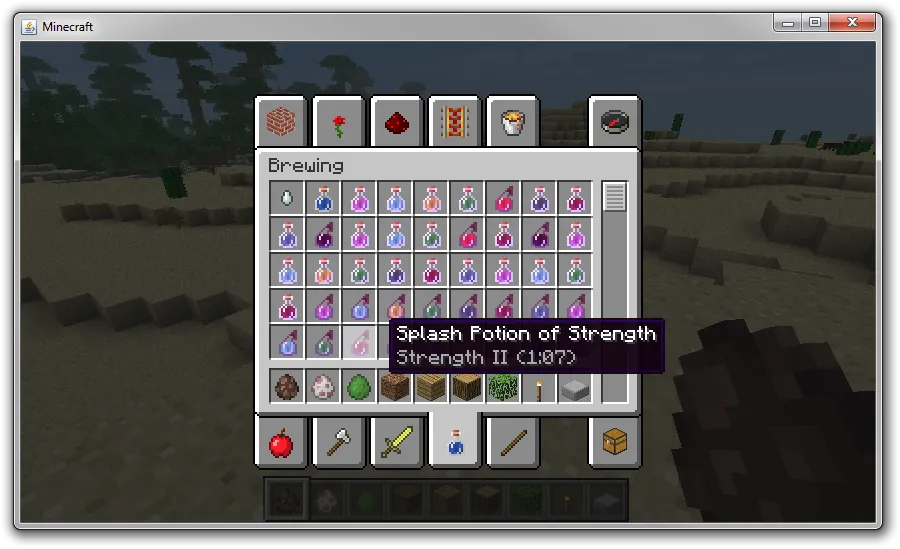
Strength potions received a subtle rebalance to duration values, bringing them more in line with other buff potions. This is actually smart design. For anyone running faction servers or hardcore survival economies, you'll want to adjust your potion pricing assumptions if you track them as currency.
The most interesting change? Awkward Potions now have visible particle effects during brewing.
It's cosmetic, but it makes the entire process feel more intentional. You're watching alchemy happen, not just staring at a timer waiting for something to finish.
Understanding Potion Duration and Amplification
Potion effects have two properties: duration (how long they last) and amplification (how strong the effect is). Version 26.2 standardized these values more than previous releases. That means less guesswork if you're doing calculations for PvP balance or survival economies.
Duration scaling works like this: a standard buff potion lasts 3 minutes without redstone amplification. Add redstone dust to your brewing process, and you extend that to 8 minutes. That's a significant jump, and it makes redstone feel valuable rather than optional. My take? Most players underestimate how much longer 8 minutes actually is in combat situations.
Amplification's trickier because you can't just throw more ingredients at a potion to make it stronger.
The system doesn't work that way. Instead, you're combining different base potions to create modified effects. Strength I potions are the baseline. Drinking multiple Strength I potions stacks the amplification on your status bar, but each drink refreshes the timer independently. And here's something people mess up constantly: Invisible effect potions and Night Vision don't stack the way damage modifiers do.
The duration calculations get wild when you mix modifiers with extended brewings. If you're building a server with custom potion mechanics, the Server Properties Generator won't cover potion tweaks specifically, but it's still useful for setting your base game rules and economy flags. You'll need custom configs or plugins for anything serious.
The Brewing Stand and Why Efficiency Matters
Your brewing stand is where the magic happens - literally. The core mechanics haven't shifted since the last major potion update, but 26.2 added water bottle handling that's marginally less frustrating than before.
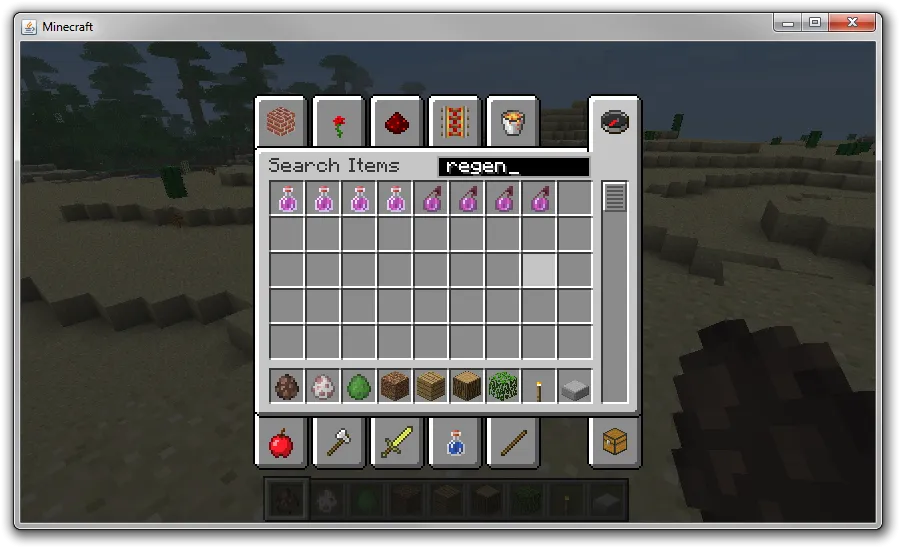
You need glass bottles, water, and ingredients. Three bottles fit in the bottom brewing slots. Your heat source (Blaze Powder) goes up top. The order matters more than most players realize. Start with Water Bottles, add your primary ingredient like Nether Wart to make Awkward Potions, wait for the brewing to finish (about 20 ticks), then add a secondary ingredient to modify the effect. Some potions need multiple brewing steps. This isn't complicated, but it's tedious.
Brewing takes real time.
And here's where it gets inefficient: you can only brew three bottles at once. If you're running a large server or trying to stockpile potions for a major project, that bottleneck hits hard. The old speedrunner trick of automating Blaze Powder farms still works, but 26.2 made it slightly harder because of minor changes to how Blaze Powder drops from blazes in the Nether.
Potion Effects You Need
Minecraft 26.2 has 38 distinct potion effects, but not all of them are equally useful. That's just how the system works.
Damage Resistance is genuinely underrated - most players sleep on it. Strength I is obviously useful for combat. Speed gets overlooked way more than it should, especially in survival mode. Three minutes of Speed II is the difference between a tedious mine run and an actual adventure. Haste also saves time, but you need a Beacon for reliable access, or someone on your server needs to be brewing it regularly.
Slowness and Weakness are your crowd-control options for PvP situations. They're less flashy than damage effects, but a single Weakness potion changes fights in ways raw damage can't. I've seen players win impossible-looking situations just because they had potion access when their opponent didn't.
Poison doesn't trigger on anything in vanilla survival, which makes Poison potions feel like a trap. They exist, they technically work, they're just... deeply situational. Fire Resistance is mandatory if you're doing Nether runs. Water Breathing opens up underwater content that most players skip entirely. You're missing like a third of the game's best biomes and structures if you're not using it.
Potion brewing scales with your progression through the game.
Early on, you're making basic Awkward Potions and Strength drinks. Mid-game, you unlock Fire Resistance and start experimenting with buff combinations. Late-game, you're either running a Beacon farm or automating bulk brewing because individual bottles take forever to produce.
Server Administration and Potion Economy
If you're running a multiplayer server, potions become an economy item. That changes how you think about brewing farms and availability. The Minecraft MOTD Creator won't help you balance potion mechanics, but setting clear server rules around potion access matters. Some servers ban Strength potions outright. Others make them ridiculously expensive to gate PvP advantages. A few have potion-only arenas where everyone starts with identical loadouts.
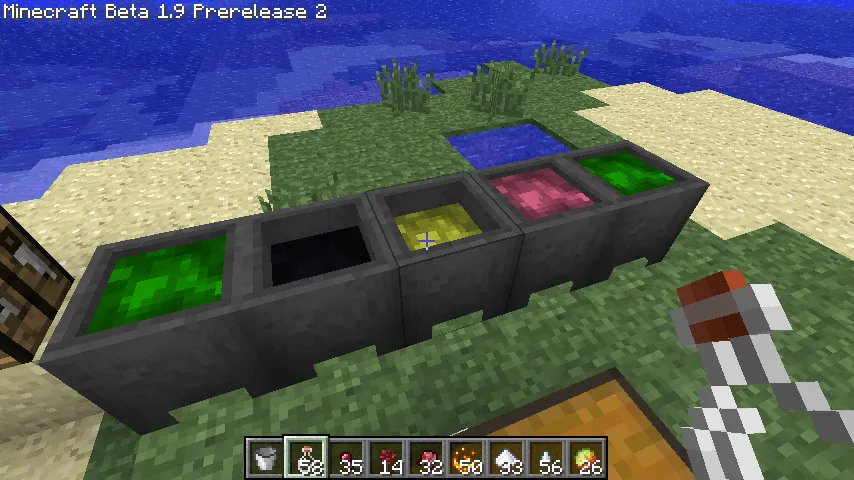
Custom potion effects are possible on modern servers using plugins or datapacks, which opens up creative options. Want a potion that gives permanent Speed? Real talk, go for it. Want to remove certain effects entirely? You can do that. The flexibility here's why servers end up feeling drastically different from vanilla survival mode.
One practical note that matters for scalability: brewing potions for a large server stockpile is tedious enough that most people automate it eventually. Setting up a passive Blaze farm and some redstone contraption saves hundreds of hours over a year of gameplay. It's worth the initial investment in infrastructure.
What the Community Uses
The community's favorite potions haven't fundamentally changed since earlier versions, but their value on specific server types has shifted. On performance-focused survival servers, Fire Resistance and Water Breathing are the value drivers because they unlock content. On PvP-focused servers, Strength and Healing are currency.
the viral Verity mod that took off earlier this year doesn't really interact with vanilla potions at all - it's horror-focused horror content. But it's a reminder that the Minecraft modding community keeps creating content that expands or reimagines what the base game does. Vanilla potions work fine independently, but they're also the foundation that modders build on.
If you're just playing single-player survival in 26.2, honestly, you probably only need Fire Resistance, Water Breathing, and Healing potions.
Throw in Speed if you want to move faster. Everything else is optimization and server economy minutiae. None of it is mandatory unless you're specifically focused on combat or running a server that revolves around potion-based PvP.

Lead writer at minecraft.how. Long-time Minecraft player running a small SMP server, testing every build, mod, and seed before writing about it.
Frequently Asked Questions
What changed with potions in Minecraft 26.2?
How long do potions last in Minecraft 26.2?
Which potions are most important for survival mode?
Can I automate potion brewing on my server?
How do I balance potions in a multiplayer server?
Have a Question or Tip about this Guide?Community Q&A
Ask a question or help other players below. Join the discussion and share your Minecraft tips!