Best Minecraft Seeds for Building in 2026
Finding the right seed can make or break your building projects in Minecraft. A good seed gives you flat space for grand structures, interesting terrain to work with, or dramatic landscapes that inspire creativity. Whether you're planning a sprawling kingdom or a compact wizard tower, the terrain underneath matters.
What Makes a Good Building Seed
Ever tried building a massive castle on cobblestone hills? Yeah, it's rough. The terrain fights you every step of the way. That's why serious builders obsess over seeds before even placing a single block.
A solid building seed needs accessible materials, interesting terrain that doesn't go completely bonkers, and a biome (or biomes) that matches your vision. You also want reasonable access to water for aesthetics or farming. Height variation matters, but too much becomes tedious. Most of the best building seeds in Java Edition 26.1.2 balance exploration with usability - you won't get bored, but you won't spend three hours terraforming before placing your foundation either.
The "perfect" seed depends entirely on what you're making. A sprawling fantasy town needs something totally different from a buried megabase or a compact trading post. So this is actually good news - there's no one-size-fits-all seed, which means you can be picky.
Flat & Plains Seeds
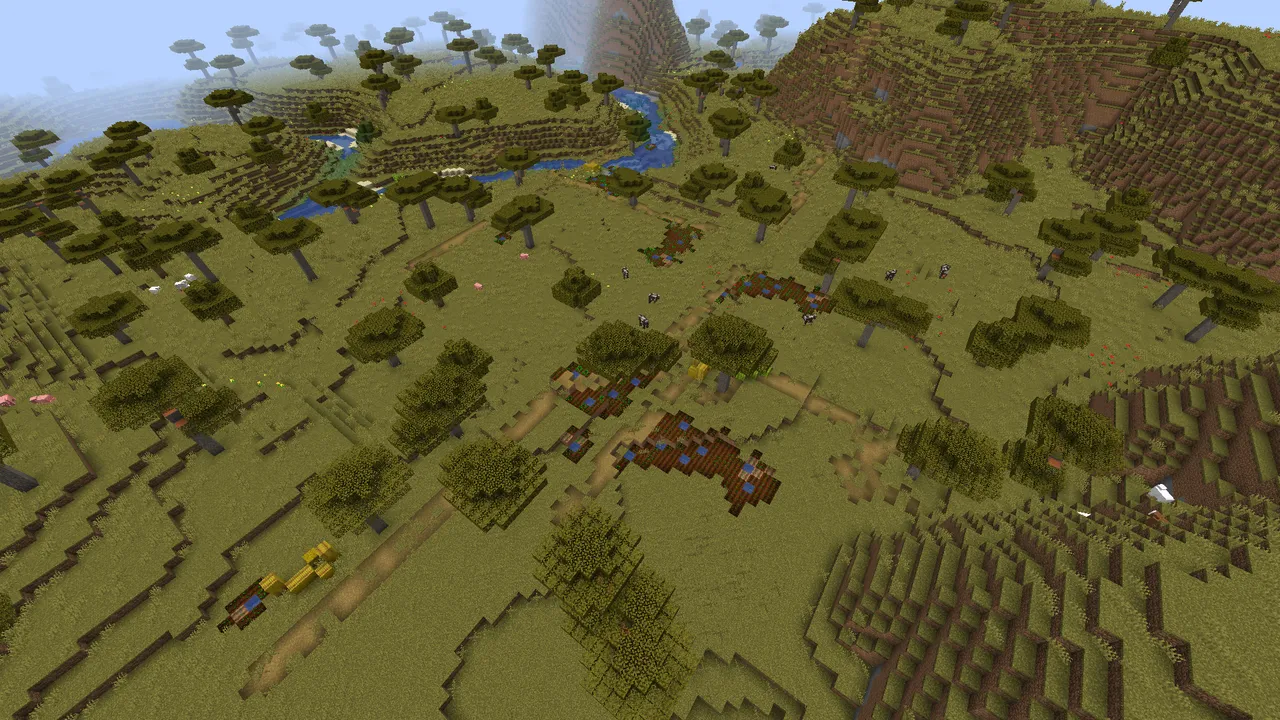
If you're building something massive, flat terrain seeds are your first choice. These drop you in plains, flat deserts, or other wide-open biomes where terraforming is minimal and you can actually see your project take shape without height fighting you constantly.
Flat seeds excel for:
- Mega builds (castles, cathedrals, monuments)
- Farms and agricultural automation
- Towns and settlements that need organized plots
- Redstone contraptions where height matters for timing and signals
The downside? Flat can feel soulless if you're not careful with design. A 200-block castle on perfectly flat plains might look sterile without surrounding landscape. That's solvable with terraforming, but it's extra work. Some builders don't mind - they treat the seed as a blank canvas. Others find it boring and need natural features to inspire them.
Test a flat seed in Creative mode first. Spend an hour building something small and see if the flatness bothers you. There's nothing worse than committing 40 hours to a build on terrain you end up hating.
Mountain & Cliff Seeds
Mountains are the opposite extreme. Dramatic peaks and cliff faces create natural architecture that's hard to match with blocks alone.
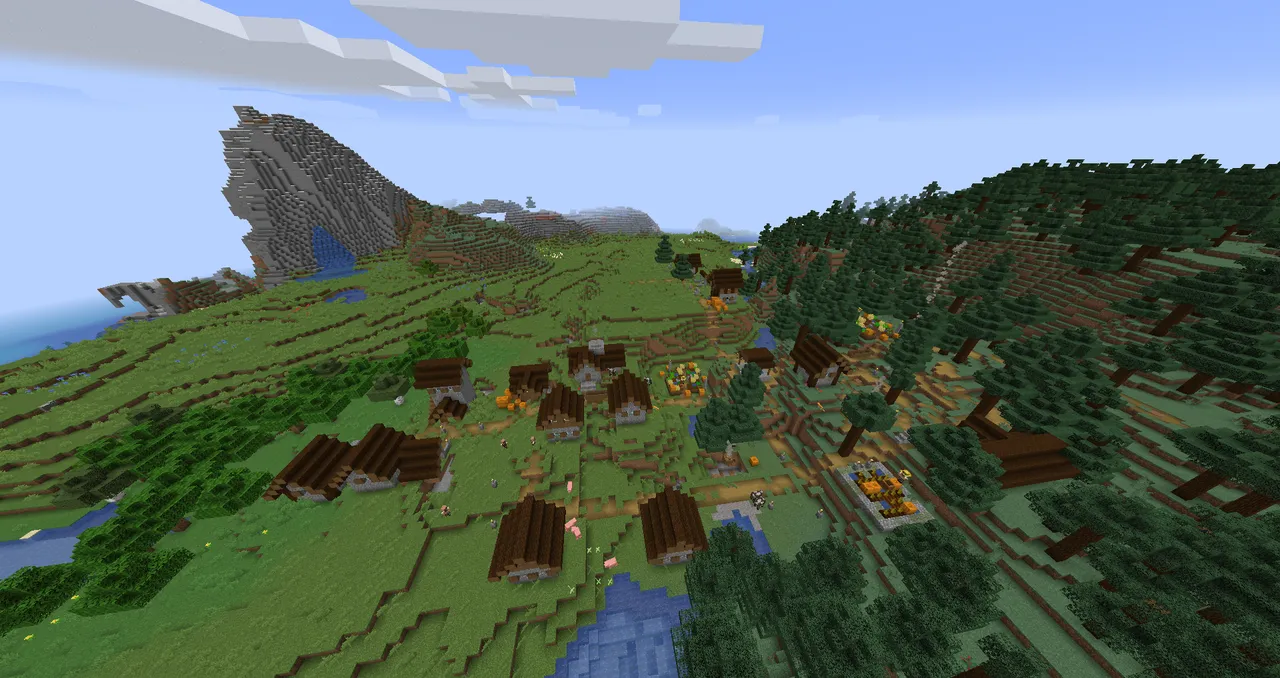
Building into a mountain or carving structures from stone faces looks incredible when done right. Think Tolkien-style dwarven halls or elven cities built into cliffsides. Mountain seeds force you to work WITH the landscape instead of starting from scratch, which leads to more cohesive, less generic-looking builds.
The catch: mountain terrain demands patience. You'll spend significant time terraforming. Need a flat plaza for your mountain fortress? You're carving it out. Want a bridge across a ravine? Might need to level the approach first. This extra work either feels rewarding (you're sculpting the world) or tedious (you just want to build). Depends on your mood.
Mountain seeds with dramatic cliffs are less common in recent versions. Terrain generation got smoothed out, so truly spectacular cliff faces are rarer. When you find one though, it's worth it.
Island & Water-Heavy Seeds
Islands solve a different problem entirely. They give you natural boundaries, built-in isolation, and a distinct sense of place.
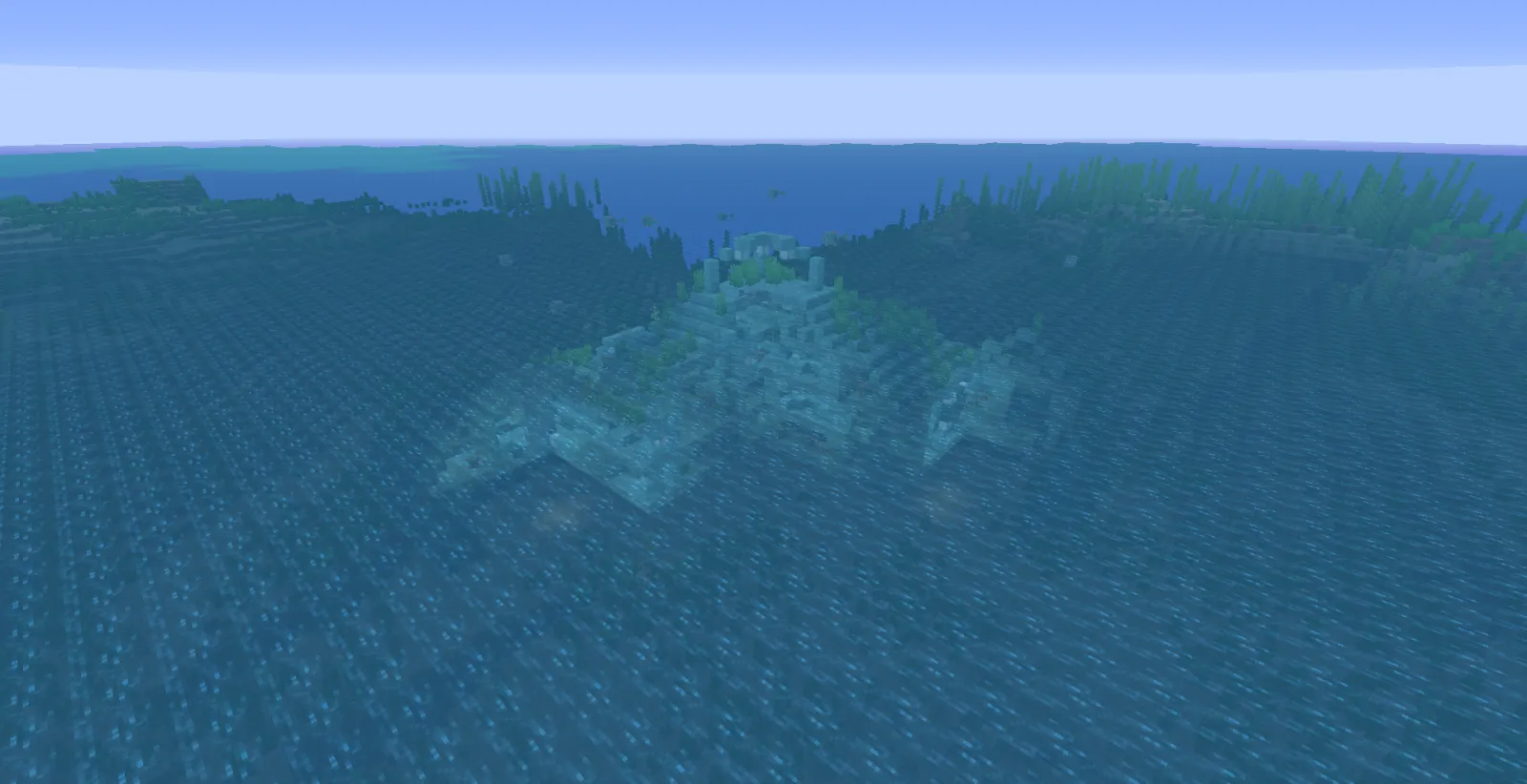
Island seeds work brilliantly for focused projects. A trading post. A wizard's tower. A compact village. Anything that benefits from feeling self-contained. The water barrier creates a finished edge to your build automatically.
The limitation is space. If you're planning something huge, you need the island to be genuinely large. Small island seeds force compromise. But if you like that constraint - building creatively within limits - island seeds are gold. They also prevent accidental sprawl. No random buildings 500 blocks away because you could, you know?
Server tip: If you're running multiplayer, island-heavy seeds make territory management easier. Each player or group grabs an island, nobody fights over land claims. Grab the Minecraft Whitelist Creator to set up access quickly once you've picked your seed.
Biome-Rich & Varied Terrain Seeds
Then there's the chaotic option: seeds that dump five different biomes in a tiny area. Forests, deserts, jungles, swamps, mountains, maybe a plains village thrown in for good measure.
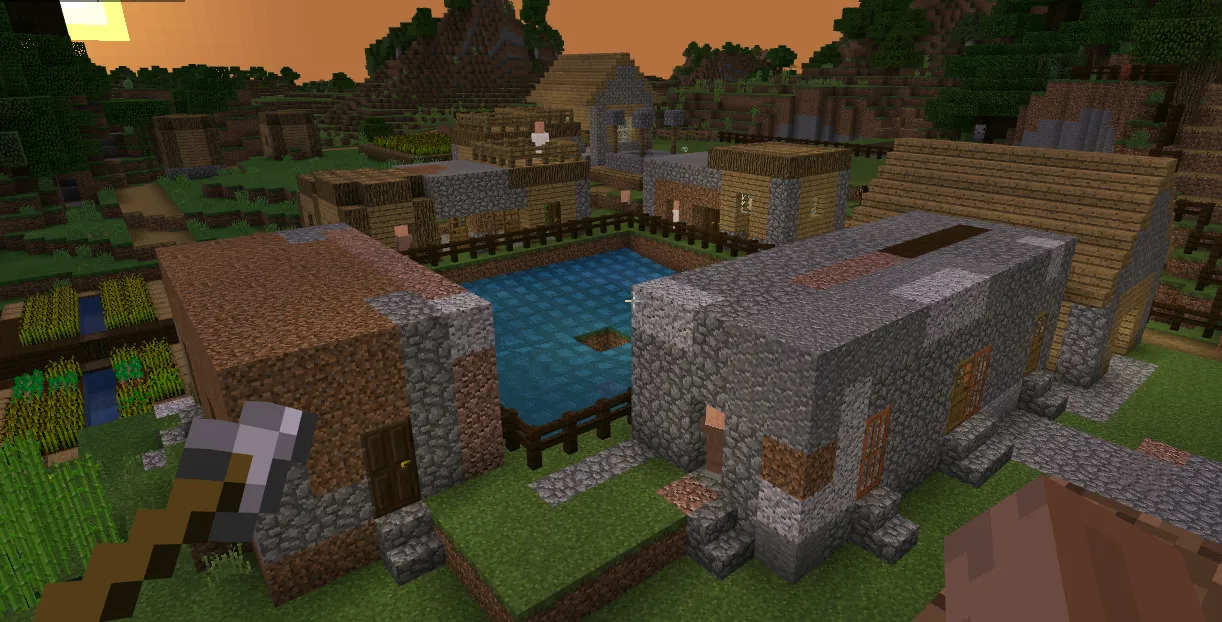
These seeds feel alive. Look, there's always something new nearby, different building aesthetics within walking distance, and natural variation that makes the world feel less manufactured. Building a fantasy settlement in biome-rich terrain looks fantastic - each building reflects its biome, the landscape tells a story.
Trade-off is chaos. You'll manage multiple terrain types, deal with conflicting biome aesthetics, and navigate uneven geography. Some builders find this energizing. Others find it overwhelming. Building in a forest next to a desert next to a swamp requires more planning than a cohesive single biome.
Actually, wait - sometimes you want the opposite. A single biome throughout can be incredibly cohesive if you're doing thematic building. A massive dark oak forest settlement feels more unified than scattered structures across five biomes. Pick variety based on your build's story, not just because variation exists.
Finding & Testing Seeds
You've got options for hunting seeds. Seed databases like SeedMC catalog thousands with screenshots, spawn coordinates, and notable features marked. Handy if you know what you want and don't want to test 50 seeds.
Or just start worlds. Launch Creative mode, look around for terrain that speaks to you, check the seed in the world settings, and search online. Communities like r/Minecraft constantly post "good building seeds" with codes and screenshots. Real players testing real builds usually spot things databases miss.
Another route: YouTube building creators often mention their seed in video descriptions. If you love how someone's build looks, grab their seed and start fresh. You won't build the same thing (hopefully - plagiarism is boring), but you'll start with similar inspiration.
Before committing to a long-term project, verify your server's stability. Use the Minecraft Server Status Checker to confirm your server's online and responsive. Nothing worse than choosing a perfect seed and then discovering the server's crashed.
Matching Seed to Building Style
Your build type should drive seed selection. A sprawling fantasy kingdom needs varied biomes and interesting geography. A modern mega-city? Grab flat plains and build upward. An underground base? Almost any seed works, but mountains and badlands biomes give you more stone to carve into.
Survival mode adds constraints. You need reasonable ore access, tree density for early-game supplies, and ideally water nearby. Hardcore mode adds paranoia - you probably don't want a seed surrounded by deep oceans where one mistake equals drowning and losing your world. Peaceful mode means you can ignore mob spawning concerns and focus purely on aesthetics.
The "meta" best seeds change slightly between updates. Java Edition 26.1.2 seeds are different from older versions because terrain generation itself evolved. If you're jumping between versions, your favorite seed might generate completely differently. Not a deal-breaker, just worth knowing before restarting a world on an old seed and finding it unrecognizable.
Common Building Seed Mistakes
Don't spawn in a seed without checking Creative first. Spending two hours collecting resources in a seed you hate is painful.
Don't assume your favorite YouTuber's seed will inspire you the same way. Their taste is theirs. You might land on the same seed and feel nothing. Test driving seeds is faster than hoping.
Don't overlook small seeds. Island seeds, compact valleys, mountain enclaves - sometimes constraint breeds the best builds. Your 50-block-wide island might produce more creative work than a boundless flat plain.
Reality Check
The right seed matters, but it's not everything. I've seen jaw-dropping structures on terrible seeds and forgettable builds on perfect ones. Skill and vision matter more than terrain.
Pick a seed that inspires you, even if it's not optimal. Start building. You can always grab a new seed next month if this one doesn't click. The best seed is the one that makes you excited to log in and place blocks.

Lead writer at minecraft.how. Long-time Minecraft player running a small SMP server, testing every build, mod, and seed before writing about it.
Domande frequenti
What's the difference between a building seed and a survival seed?
How do I check what seed my current world is using?
Do seeds work the same across Java and Bedrock Edition?
Can I change my world's terrain after I've started building?
Are newer seeds in Java 26.1.2 better than older seeds?
Have a Question or Tip about this Guide?Community Q&A
Ask a question or help other players below. Join the discussion and share your Minecraft tips!
Commenti
Ancora nessun commento. Sii il primo a condividere la tua opinione!