Minecraft Bedrock Seeds: A Complete 2026 Guide
Minecraft Bedrock seeds are the codes that generate your world's terrain, structures, and biomes. In 2026, the best seeds spawn you near villages, rare biomes, or massive cave systems. Whether you play on mobile, console, or Windows 11, using specific seeds dramatically changes your survival experience.
What Are Minecraft Bedrock Seeds?
At its core, a Bedrock seed is just a string of numbers or text that tells the game engine how to generate your world. Think of it like a recipe. Same recipe, same ingredients, same result every time.
You can type in a seed and share it with friends. They generate the exact same world on their end (as long as they're on the same platform and version). The village sits in the same place. But that cave entrance is at the same coordinates. One ruined portal is exactly where you left it.
There's something oddly satisfying about exploring a world someone else discovered. You know the spawn point has a village nearby because they tested it. Anyone can hunt for the coordinates they posted on Reddit before you even start playing.
Bedrock handles seeds differently than Java Edition does. Here's what matters: Bedrock seeds work across all platforms. Mobile, Switch, PS5, Xbox, Windows. Same seed code, same world structure across all of them.
How to Find and Use Seeds in Bedrock Edition
Actually, let me back up. Finding seeds is the easy part. Evaluating them is where people mess up.
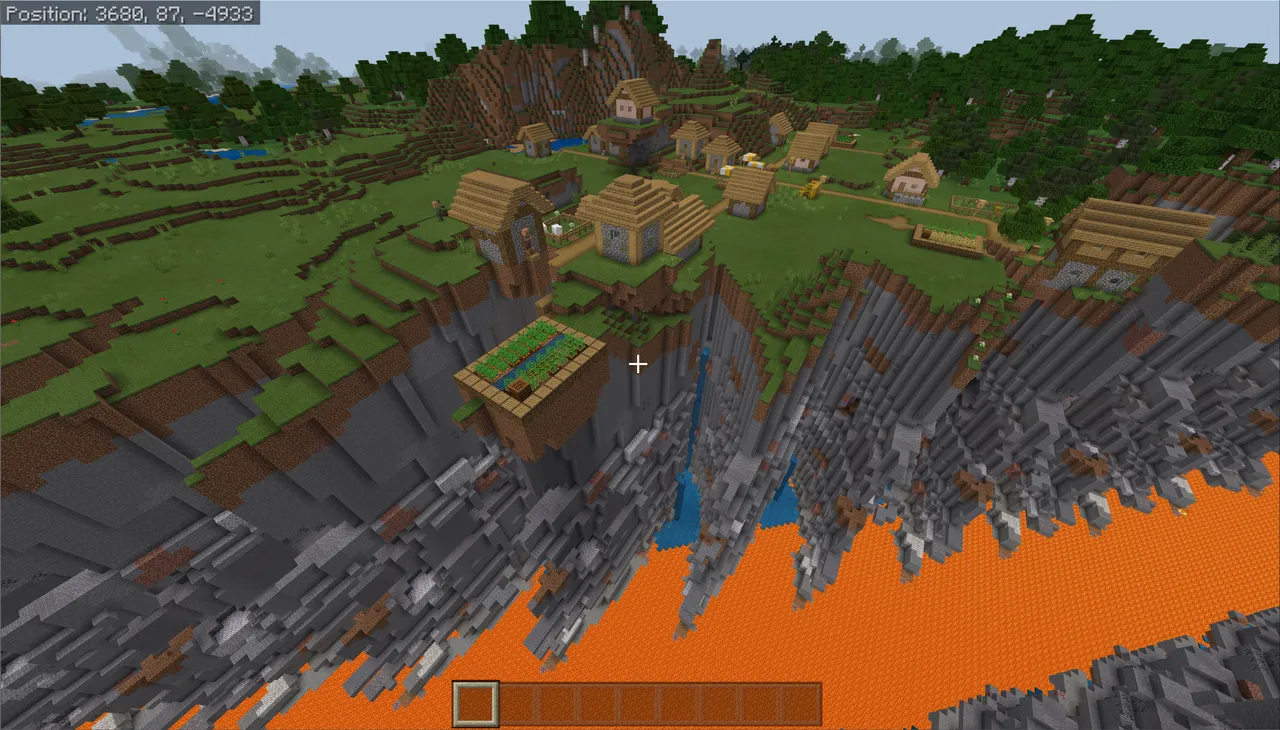
When you create a new Bedrock world, there's a seed field in the world settings. You can enter any seed you want. Leave it blank and the game generates a random one. Type in a specific seed and you get that exact world every time.
The most practical way to hunt for seeds is to check community databases. A Minecraft Wiki lists popular Bedrock seeds. Reddit's r/minecraftseeds is full of players posting coordinates for specific features they found. YouTube creators test seeds and record the results, so you can see what you're getting before you commit.
Some seeds are famous for specific reasons. You might spawn you directly in a mansion with a village nearby. Another could place you in a biome so dense with caves that you'd be mining for hours. The community's pretty good about labeling what each seed offers.
Word of warning though: seed generation changes between major updates. A seed that was incredible in version 1.18 might generate completely differently in 1.20. Mojang doesn't promise backwards compatibility. So if you find an ancient seed someone posted two years ago, test it first before you commit to a survival world.
The Best Seeds for Your Playstyle
Speedrun Seeds
If you're chasing end-game fast, you want a seed that puts you within sprinting distance of essential gear and biomes.
Speedrun optimized seeds usually have villages, temples, or strongholds spawned stupidly close to the origin point. You can get diamond gear quickly, find a nether portal, and be halfway to the End Portal within 30 minutes. Different speedrunning routes optimize for completely different things. Check speedrunning communities for the current meta because it changes with every patch.
Building Seeds
If you're in it for aesthetics, you want terrain that's interesting to look at but not so chaotic that building feels impossible.
Mega taiga forests are gorgeous for large structures. Frozen mountains give you dramatic elevation changes. Lush caves provide amazing underground bases. The sweet spot is finding seeds that give you multiple biomes within reasonable distance, so your builds have natural borders and visual variety.
One aspect of Bedrock in 2026 that's genuinely improved is biome generation. Transitions between zones are more gradual. You get mixed biomes instead of hard borders. That makes building landscapes feel less artificial.
Survival Seeds
Survival players typically want balance. You need resources within reasonable reach. Villages are helpful but not mandatory. Caves should be accessible without you having to dig straight down (which is bad practice anyway).
Good survival seeds spawn you with at least one tree, a few animals nearby, and water for drinking. Access to a cave system with decent ore distribution matters more than huge villages. You're planning to stay a while, so consistency matters more than early-game advantage.
Unique Features and Community Servers
Some seeds are just weird in good ways. Island-only seeds where you spawn on a tiny island surrounded by endless ocean. Badlands biomes where the terrain is so layered you can read geological history as you dig. Underground forests that shouldn't exist but do because of cave biome interactions.
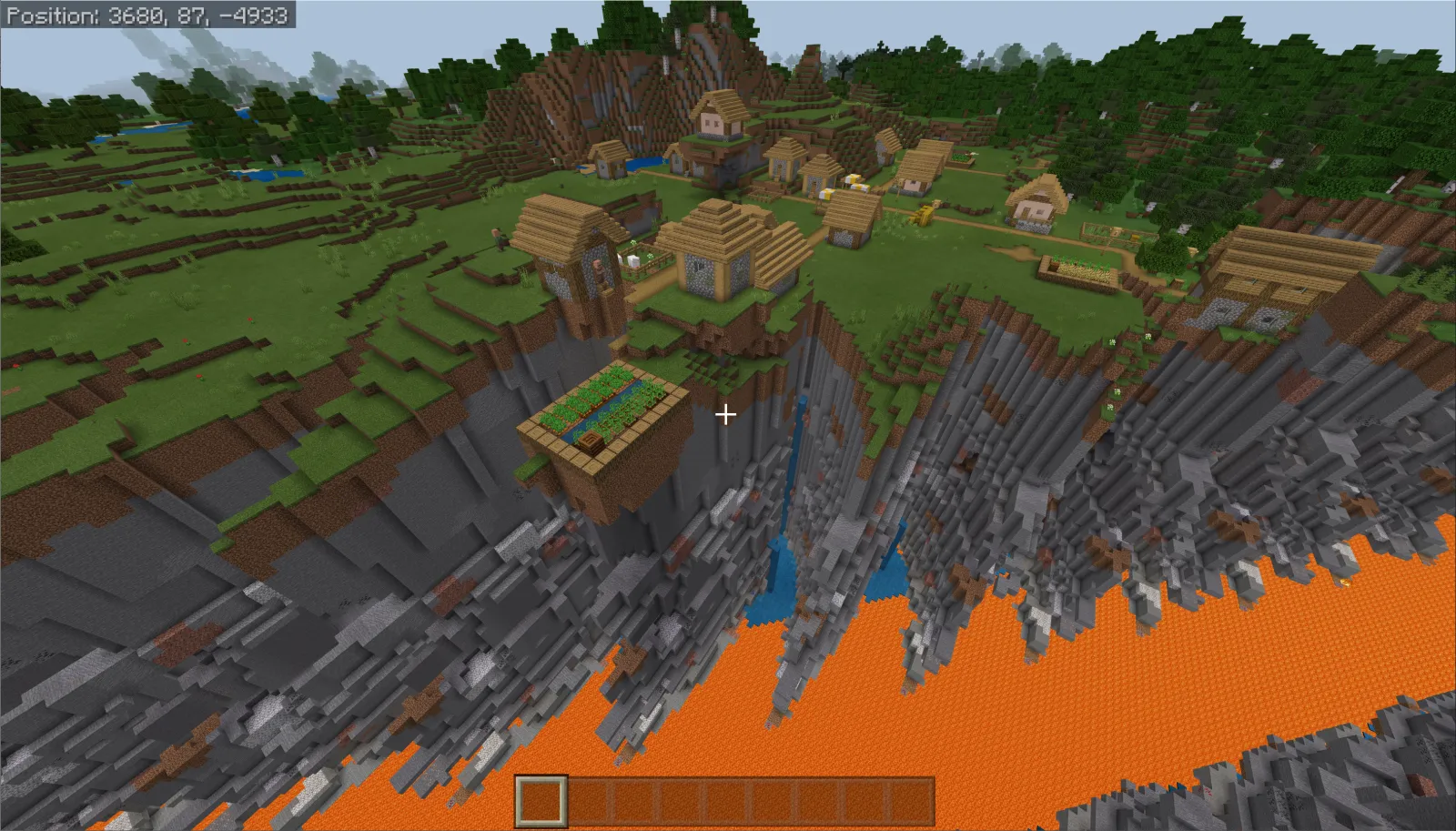
A few Bedrock seeds in 2026 have spawned ruined portals with loot nobody expected. Or villages positioned on cliffsides. Or mines that intersect with mansions in ways that create natural dungeons.
The rarity of these is why people hunt for seeds obsessively. Finding one feels less like luck and more like archaeology.
Once you've found a seed worth keeping, the next step is usually sharing it with others. Multiplayer Bedrock servers are often built around specific seeds that the community discovers. You'll find groups of players coordinating everything from build locations to shared resource farms, and some communities even coordinate their player skins for thematic consistency.
For example, if you're part of a Bedrock server, you might see players wearing skins like DARKBEDROCK123 or seeds123, names that reflect the seed-hunting culture itself. Others might choose options like BedrockHTML for a more technical vibe, or classic themes like bedrock when they want something simple and iconic.
When you're exploring seeds with friends, you end up investing in that world. The seed becomes part of the community's identity. You'll return to harvest crops, check on your base, and see what your friends built while you were offline.
Bedrock vs Java Edition: Why the Difference Matters
Here's the actual difference that matters: Java and Bedrock use completely different world generation algorithms.
Java uses a separate seed generation system. A seed that produces an amazing world in Java will generate something totally different in Bedrock (or vice versa). You can't port seeds between them.
For years this was confusing. Players would find a seed on Reddit, assume it worked across both versions, and get frustrated when the world looked nothing like the pictures. It seemed like a bug but it was just how the engines worked.
Bedrock changed its approach in recent updates to unify generation somewhat, but they're still fundamentally different systems. Think of it less as "Bedrock copied Java's approach" and more as "both versions happen to use seeds, but the math is different."
If you're bouncing between platforms, don't assume your favorite Java seed works anywhere else. Test the seed on the version you care about before committing hours to a world based on hype.
In 2026, Bedrock seed hunting is as active as it's ever been. New updates introduce new structures and biomes, which means old seeds regenerate differently. That's why the community keeps testing and sharing discoveries. You don't need a special seed to have fun in Minecraft. But finding one that matches your playstyle does change the experience.
A good spawn can save you days of grinding. A beautiful landscape can inspire your building projects. A seed loaded with caves can fuel hours of exploration. Start by checking community databases for seeds that match what you want. Test a few. Generate them on your platform. See what clicks. That's how seed hunting works, and if you stumble onto something amazing, the BedrockWither community loves hearing about it.

Lead writer at minecraft.how. Long-time Minecraft player running a small SMP server, testing every build, mod, and seed before writing about it.
Domande frequenti
Can I use the same Bedrock seed on different devices?
Why don't Java Edition seeds work in Bedrock?
Do Bedrock seeds change when the game updates?
What's the best way to find good Bedrock seeds?
Are there seeds that spawn structures like villages near the starting point?
Have a Question or Tip about this Guide?Community Q&A
Ask a question or help other players below. Join the discussion and share your Minecraft tips!
Commenti
Ancora nessun commento. Sii il primo a condividere la tua opinione!