Minecraft Breeding Guide: How to Breed Every Animal
Every animal in Minecraft has specific breeding requirements, and once you know them, you can build efficient farms that generate infinite resources. This guide covers what each animal needs, how the mechanics work, and practical tips for setting up your first breeding operation.
How Minecraft Animal Breeding Works
Here's the thing about Minecraft breeding that confuses a lot of players: it's not just about throwing two animals in a pen together and hoping for the best. Each pair needs food. Specific food. Give them what they want, and they'll enter "love mode" (yes, that's the actual game code term), then produce a baby after about five minutes.
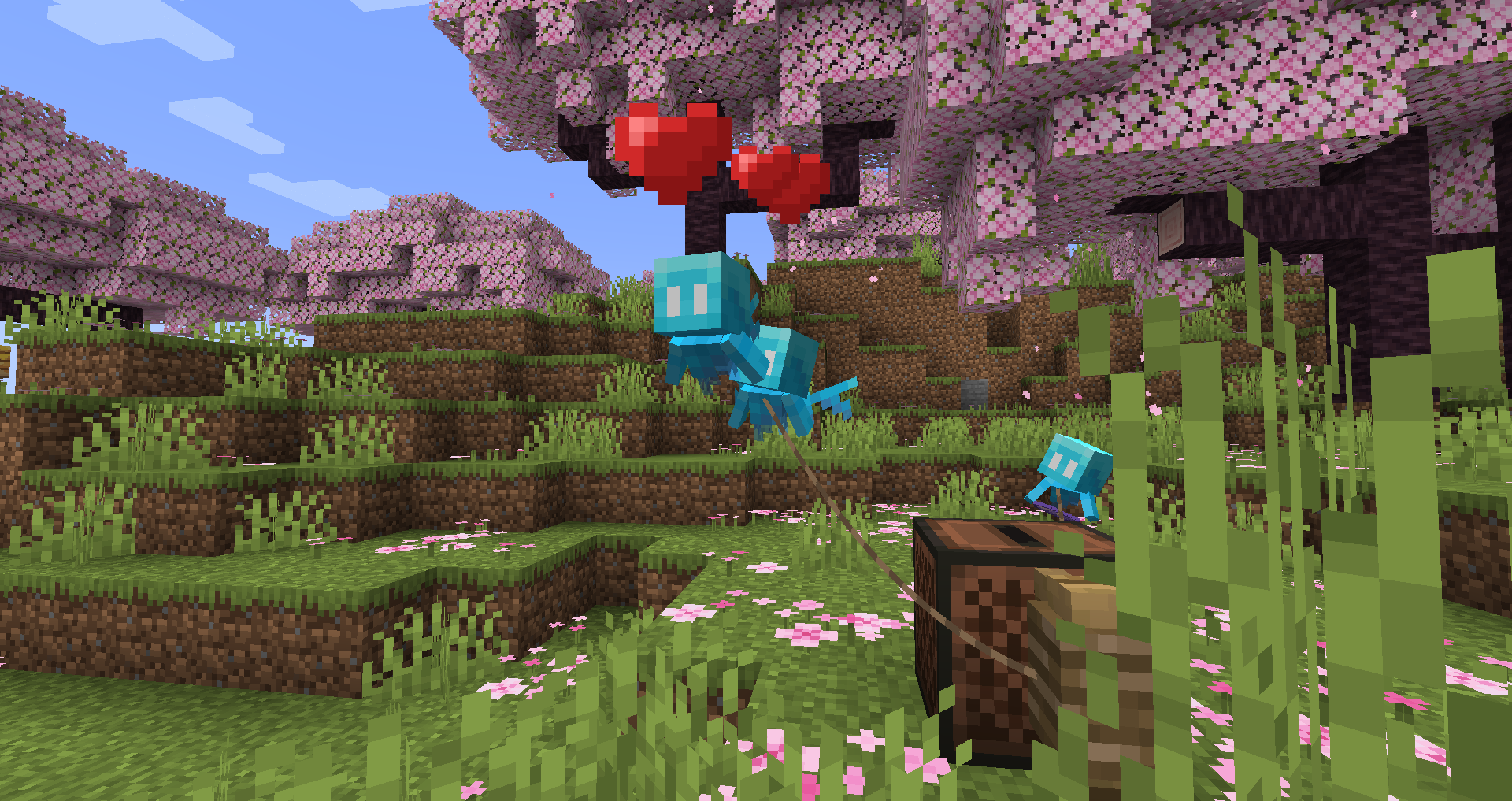
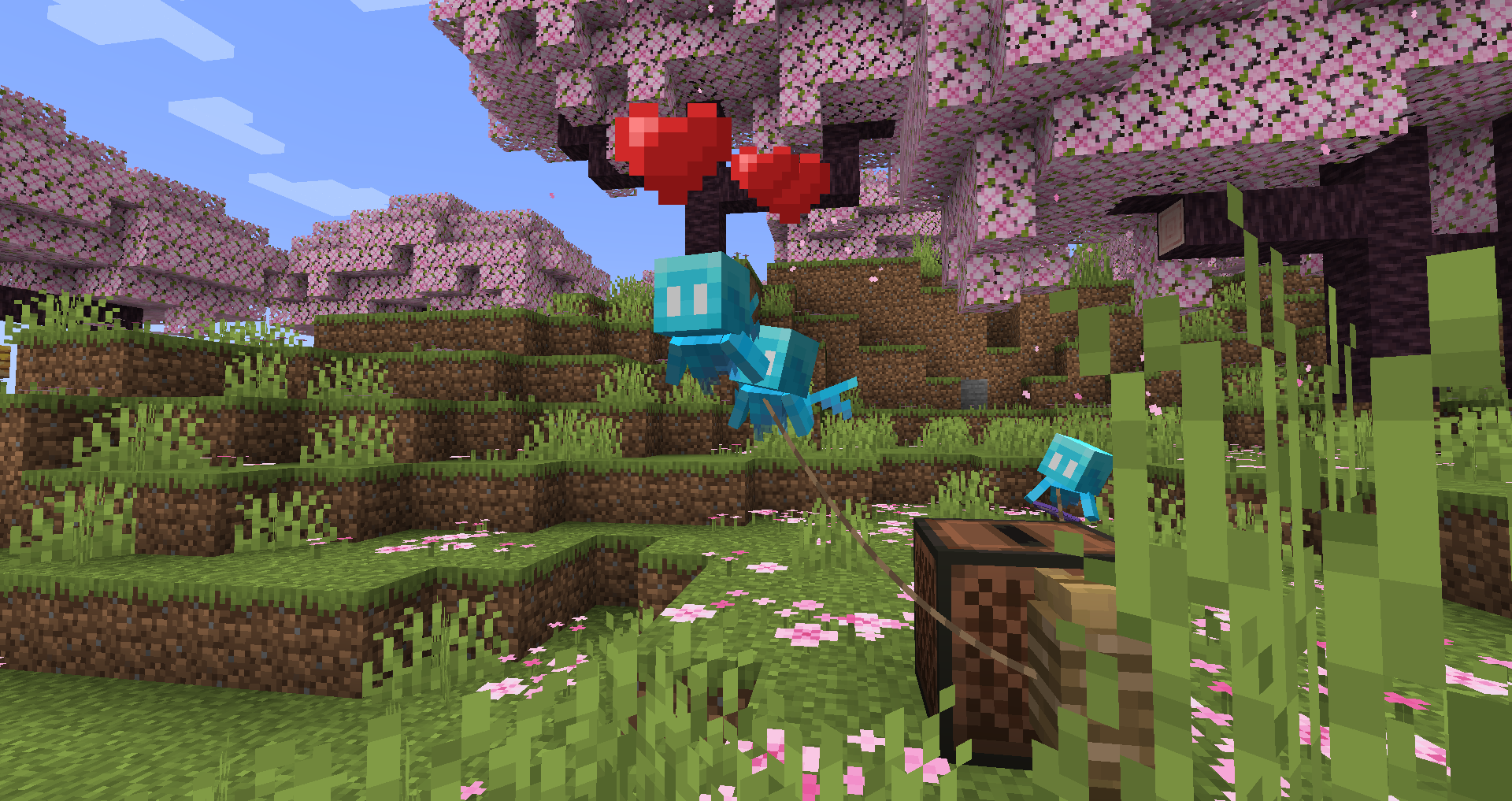
Love mode triggers two red heart particles floating above the animals. The baby inherits traits from its parents and grows to full size in about twenty minutes, though you can speed this up by feeding it the same food its parents ate. One cooldown applies per breeding pair per animal type, usually around five minutes, so you can't spam babies endlessly in quick succession.
The breeding radius matters too.
Actually, let me clarify that. Real talk, the game checks for breeding pairs in a cube around each animal, but for practical purposes, you just need both animals in the same general area (within about 8 blocks or so). If breeding isn't working, the animals probably aren't close enough or one of them is already on cooldown.
Breeding Specific Animals: What Food Each One Needs
Let's go through the common farmable animals first, then hit the weirder ones.
Cattle (Cows and Mooshrooms)
Cows breed on wheat. Dead simple. Find two cows, give each one wheat from your garden or farm, and they'll breed. Mooshrooms (the mushroom variant that only spawns in mushroom biomes) also breed on wheat, and yes, you can breed them together despite looking completely different. Baby mooshrooms are regular baby cows, which is funny and weird.
Sheep, Goats, and Alpacas
Sheep eat wheat. Goats eat wheat too. Alpacas (which were added in a recent snapshot) also follow the wheat pattern. The difference is that baby sheep inherit wool color from their parents, so breeding specific colors together is actually viable if you need dyed wool in quantity.
Pigs and Hoglins
Pigs breed on carrots, potatoes, and beetroot. Hoglins (the hostile Nether variant) also breed on carrots. you can technically breed hoglins in the Overworld if you get them there, though getting them here is a different problem entirely.
Chickens
Chickens are weird because they breed on seeds: wheat seeds, beetroot seeds, melon seeds, or pumpkin seeds. This means you can breed them while farming, which is convenient. Alternatively, use bone meal to accelerate growth on crops and harvest the seeds faster if you need more chickens quickly.
Horses, Donkeys, and Llamas
Horses and donkeys breed on golden carrots or golden apples. Llamas use hay bales. This is where breeding gets resource-intensive because golden carrots require gold ingots to craft. If you're setting up a horse farm early-game, stick to a few careful breedings rather than mass production.
Rabbits
Rabbits breed on carrots, dandelions, or golden carrots. They're fast breeders and give you rabbit meat plus occasionally rabbit hides, which are useful for leather early on but drop off in value once you've cows running.
Bees, Axolotls, and Fish
Bees breed on flowering plants (any flower will work). Axolotls breed on tropical fish. Regular fish don't breed at all, so don't waste time trying. If you're breeding axolotls, you'll need a tropical fish farm first. That means bucket-catching fish in ocean biomes or warm river biomes. It's tedious but doable.
Turtles and frogs have their own weird mechanics involving laying eggs on sand and lily pads respectively, so they're not traditional breeding mechanics.
Setting Up a Basic Breeding Farm
The simplest farm is just two animals in a pen with a guaranteed food supply. For cows, that's a wheat field one or two blocks over from their enclosure. For chickens, toss seeds at them automatically via a dispenser and hopper system. For horses, you need golden carrots, which means a mining operation, smelting, and crafting time. It adds up.
Fencing should be at least two blocks tall to prevent escapes. Animals are dumb and sometimes try to walk off edges, so put your pen on flat ground. One water block in the corner helps keep things clean (though it also makes animals clump up, which can slow breeding if they're literally on top of each other).
Lighting prevents mobs from spawning inside, so throw some torches down. You don't want creepers ruining your setup.
If you're building this on a server and want to customize how your animals look, check out the Browse Minecraft Skins section to find a skin that matches your vibe while you're managing the farm.
Breeding Optimization: Making It Efficient
Once you understand the basics, here are the real efficiency moves. First, use a hopper-dispenser-farm setup to automate food delivery. Chickens are perfect for this because seeds are infinite from crop farms, and dispensers can "feed" them automatically using redstone.
Second, separate breeding pairs by age and purpose. Keep fresh breeders in one pen, let babies grow in another. This prevents cooldown conflicts and makes managing population way easier. Nobody wants to babysit 200 cows in one pen.
Third, if you're doing this at scale, think about what you actually need. A single cow farm generating 15 beef per hour is probably enough for most players. Five cows on a ten-minute rotation produces way more than you can use. Overkill is real.
If you're running a server and want to establish a reputation as someone who knows the game, set up proper DNS for your server using the Free Minecraft DNS tool so other players can actually find it.
Breeding Mistakes That Kill Your Farm
Don't overcrowd your pen.
This sounds obvious, but packed animals can't move around properly, and the game sometimes has trouble detecting breeding pairs when there are too many. Keep populations under control or split them into separate enclosures.
Don't forget the cooldown. Some players spam food thinking faster feeding means faster breeding. It doesn't. Once a pair enters love mode and produces a baby, they're locked out for five minutes. Throwing more food at them does nothing but waste resources.
Don't breed horses without enough resources. Golden apples are expensive if you're mining and smelting gold legitimately. Plan ahead or breed just enough for your needs rather than attempting a full horse farm immediately.
Don't assume all animals breed the same way. Turtles lay eggs. Frogs lay tadpole spawners. Bees breed near flowering plants but work differently from cattle. Check the mechanics for each animal before spending an hour wondering why nothing's happening.
When Breeding Is Worth It
Early game: Focus on chickens and sheep for early resources. You need leather for armor, string is useful, and feathers are free. Skip horses at this stage.
Mid game: Cows become your main focus. Beef feeds you, leather becomes renewable, and you can set up a casual farm. Add rabbits for hides if you want extra leather sources.
Late game: Breeding becomes optional. If you've got farms generating resources passively, you're fine. Some players breed horses for fun or breeding variants with different colors and armor, but it's not necessary for progression.
The real win is setting up one solid farm and letting it run while you do other things. Five minutes of automation setup saves hours of manual grinding later.

Lead writer at minecraft.how. Long-time Minecraft player running a small SMP server, testing every build, mod, and seed before writing about it.