Minecraft vs la Vita Reale nel 2026, Analisi Completa
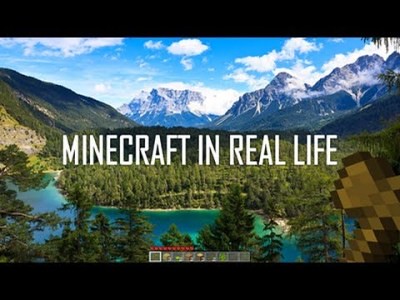
Nel 2026 Minecraft vs la vita reale è visivamente più vicino che mai, ma resta una sandbox stilizzata, non un simulatore. I mondi hanno un aspetto più bello, il gioco sociale sembra più umano e la sopravvivenza rimane gloriosamente falsa.
Minecraft vs grafica della vita reale nel 2026
Se giudichi solo da screenshot, Minecraft ha ridotto il divario. Il Vibrant Visuals pass di Mojang dona a Bedrock acque migliori, ombre più forti, cieli più ricchi e illuminazione che non fa sembrare ogni caverna una scarpa grigia. Aggiungici la versione nativa PS5, che Mojang ha rilasciato il 22 ottobre 2024, e la versione console nel 2026 sembra molto meno la cugina trascurata a cena in famiglia.
Ma realistico? Non proprio. E va bene così. Minecraft sembra ancora una cassetta di giocattoli organizzata da qualcuno per tavolozza di colori, ed è proprio per questo che un'alba su una foresta di abete rosso colpisce così forte. In un Realm Bedrock di un amico, ho passato mezza serata a sistemare le lanterne intorno a una banchina perché i riflessi sembravano stranamente accoglienti, poi mi sono girato e ho ricordato che le barche si muovono ancora come carrelli della spesa su ghiaccio.
Java può ancora inseguire il realismo con gli shader, in realtà, questo non è del tutto giusto per Bedrock. Fuori dalla scatola, Bedrock ora ti offre l'aspetto ufficiale più pulito, mentre Java vince ancora se vuoi armeggiare finché la tua GPU non si lamenta. Quindi sì, Minecraft 2026 è più bello. Non sembra ancora terra vera, e francamente non dovrebbe.
Quel divario visuale importa più di prima perché più giocatori casuali rimangono su console. Nel 2026, non hai bisogno di spiegare perché una versione sembra piatta e un'altra sembra pesantemente modificata. Bedrock su una TV del soggiorno finalmente ha un aspetto consapevole, il che rende il confronto con spazi reali, illuminazione reale e architettura reale molto più facile da notare.
Minecraft sopravvivenza vs vita reale
È qui che il confronto diventa divertente in fretta. La vita reale non ti permette di colpire un albero, portare una collina in tasca, dormire per risolvere la maggior parte dei tuoi problemi e guarire mangiando patate al forno in un angolo scuro. Se lo permettesse, i negozi di ferramenta fallirebbero dall'oggi al domani. La sopravvivenza di Minecraft è costruita attorno a regole comprensibili, non realistiche.
Quello che Minecraft ancora fa comicamente male
- Lesioni: cadi in acqua da un'altezza ridicola e stai fondamentalmente bene.
- Inventario: un singolo giocatore può trasportare abbastanza pietra per seppellire un quartiere.
- Cibo: una bistecca può risolvere il tipo di giornata lavorativa che manderebbe una persona vera al pronto soccorso.
- Costruzione: una scatola di terra con una torcia è in qualche modo una casa di lusso dopo il tramonto.
Eppure Minecraft cattura alcune cose di cui la sopravvivenza nella vita reale si preoccupa davvero. Il riparo importa. La luce importa. Il terreno importa. Il panico conta eccome. Su un piccolo server Paper, una volta ho cercato di attraversare una voragine con mezza pila di rame e esattamente zero pazienza. Ho sfiorato il bordo di un blocco, sono caduto e ho perso tutto a causa della lava. Sistema ridicolo, sensazione molto reale. Le cattive decisioni ti puniscono ancora.
Quella è la parte subdola. Minecraft è falso nella sua fisica, ma non sempre falso nella sua pressione. Controlli il meteo, razionali i rifornimenti, sopravvaluti la preparazione e ti penti delle scorciatoie. Fisica? Ancora caos. Le decisioni? Sorprendentemente umane.
Perché la costruzione in Minecraft si sente meglio della vita reale
La costruzione è dove Minecraft batte chiaramente la realtà. Nessun permesso. Nessuna consegna di cemento. Nessun appaltatore che ti dice che il budget è raddoppiato perché un muro si è rivelato portante. Schizzi un'idea, piazzi blocchi, la odi, la distruggi e provi di nuovo in cinque minuti. Non è realismo, ma è libertà creativa, e chi cerca "minecraft vs vita reale" sta proprio girando intorno a questa differenza.
Ho cercato di ricreare una casa di periferia su due livelli in sopravvivenza l'inverno scorso, completa di isola della cucina, scale dietro una mezza parete e un piccolo ripostiglio. Hai mai provato a costruire una cucina completa con blocchi vanilla? Sì, è complicato. I frigoriferi sono troppo voluminosi o troppo carini, i banconi sono alle altezze scomode e improvvisamente passi venti minuti decidendo se il quarzo liscio o la calcite sembra meno sbagliato. Le case vere hanno le misure giuste. Minecraft ha atmosfera.
Comunque, molta logica di design reale si trasferisce:
- La scala ha bisogno di esagerazione. I blocchi di un metro rendono le stanze normali anguste, quindi porte, soffitti e corridoi di solito hanno bisogno di più spazio di quanto servirebbe nella realtà.
- La luce guida l'umore. Le buone costruzioni di Minecraft funzionano grazie al contrasto e all'illuminazione, non perché ogni materiale si comporta realisticamente.
- La forma conta per prima. La silhouette, la linea del tetto e il layout del percorso vendono una costruzione prima della texture.
E la redstone è il suo proprio incubo dell'elettricista.
Non è vero cablaggio, ovviamente, ma insegna lo stesso tipo di pensiero sistemico. Ingressi, uscite, punti di guasto, flusso del segnale, tempistica. Non mi fiderei di un ingegnere di redstone per ricablare la mia cucina. Ma mi fiderei che trovasse la cosa che ho dimenticato in un design di fattoria più velocemente di me.
La parte vera di Minecraft sono le persone
Dimentichiamo la fisica per un secondo. Il motivo principale per cui Minecraft si sente più vicino alla vita reale nel 2026 è lo strato umano - gli amici in cross-play, i server condivisi, il caos della chat vocale, gli scherzi privati, la pianificazione terribile, il grande piano che in qualche modo diventa peggio quando tutti cominciano a improvvisare. È più reale di qualsiasi aggiornamento di ombre. Un mondo di sopravvivenza con tre amici e un forziere etichettato CIBO NON TOCCARE è sostanzialmente un documentario.
Le skin sono importanti qui più di quanto la gente ammetta. Trasformano un avatar generico in una persona, o almeno nella versione di te stesso che preferiresti mandare in una caverna. Se ti piace questo senso di crossover con il mondo reale, la skin Lockdown Life per la sopravvivenza moderna si adatta meglio al look radicato e quotidiano rispetto a un altro template fantasy armato.
Le skin sono dove minecraft vs vita reale diventa personale.
Lo puoi vedere anche nei design in stile creatore. La skin del giocatore itzrealme, la skin avatar personalizzato ItzRealMe, e la skin variante Minecraft ItzRealMex si basano tutte sull'idea che Minecraft non è solo un luogo, è un palcoscenico. Anche la skin crossover DarthVader1real lo dimostra in un modo più sciocco. I giocatori continuano a trascinare nomi reali, stati d'animo, fandom e immagine di sé in un mondo di blocchi che non era mai stato pensato per essere realistico in primo luogo.
Quello che gli aggiornamenti 2026 hanno cambiato e quello che non hanno
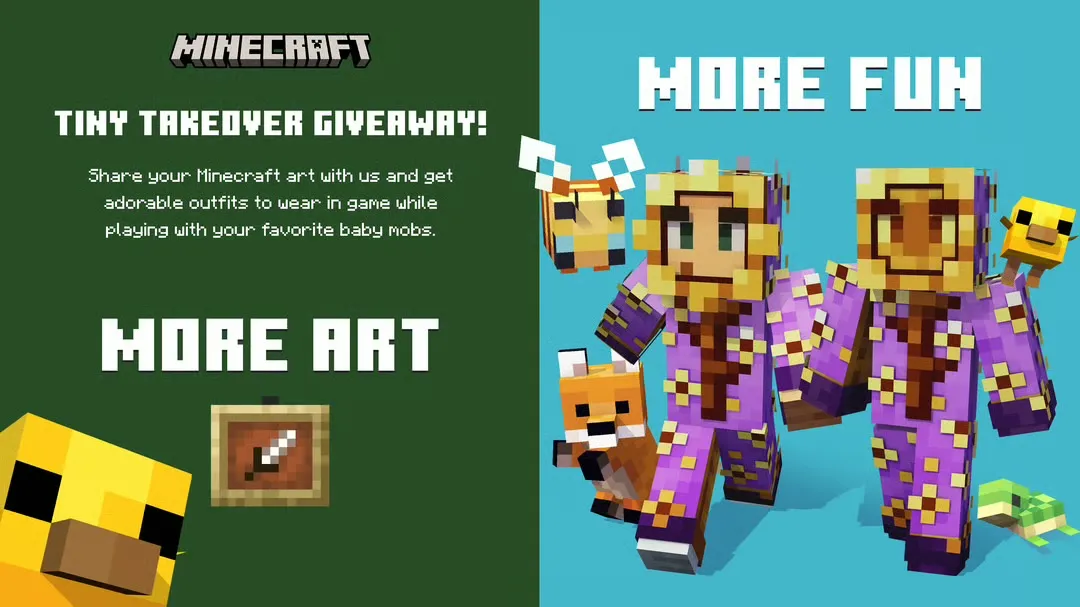
Ecco la parte che importa davvero per questo confronto: Mojang non sta ancora cercando di trasformare Minecraft in un simulatore di vita. Sta lucidando il mondo, non sostituendo le regole. PCGamesN ha riportato che Tiny Takeover era previsto per marzo 2026, e Mojang ha seguito con Minecraft 26.1 Pre-Release 1 il 10 marzo 2026. Il reveal ufficiale di Tiny Takeover si è incentrato su baby mob, piccoli dettagli ambientali e atmosfera giocosa del mondo. È una mossa molto Minecraft. Prima il lato carino, mai la simulazione.
Stessa storia con la presentazione. Vibrant Visuals e miglior supporto della console rendono il gioco più immediato agli occhi umani. Le regole sottostanti sono ancora astratte per design. I baby vagano nell'Overworld, i tag dei nomi diventano realizzabili, i fiori diventano più brillanti, e niente di tutto ciò fa sì che il peso dell'inventario, l'erosione o l'ingegneria strutturale si comportino come nella realtà. Un dente di leone dorato non rende il mondo realistico, ma lo fa sembrare osservato. Perfetto. Se volessi il permesso di pianificazione prima di piazzare le scale, andrei semplicemente fuori.
Verdetto finale su minecraft vs vita reale
La vita reale vince per texture, conseguenze e tutte le piccole regole che non noti fino a quando non provi a falsarle in blocchi. Minecraft vince per chiarezza, sperimentazione e il semplice fatto che puoi ricostruire un'intera casa prima di cena se un creeper trasforma il tuo giardino anteriore in arte moderna. È un forte scambio.
La mia opinione è piuttosto semplice: nel 2026, Minecraft sembra più vicino alla vita reale, ma non gioca affatto come essa, ed è per questo che funziona ancora. La miglior versione di minecraft vs vita reale non è una gara su quale è più autentica. È un promemoria che Minecraft riduce la realtà alle parti che sono divertenti da manipolare, poi lascia le pratiche burocratiche dietro. Ha senso, davvero.

Lead writer at minecraft.how. Long-time Minecraft player running a small SMP server, testing every build, mod, and seed before writing about it.
Domande frequenti
Minecraft sembra realistico nel 2026?
Bedrock o Java ha un aspetto migliore nel 2026?
Quali sono le differenze tra la sopravvivenza in Minecraft e nella vita reale?
Perché costruire in Minecraft si sente meglio della vita reale?
Perché Minecraft nel 2026 si sente più vicino alla vita reale?
La redstone insegna qualcosa di applicabile nella vita reale?
Have a Question or Tip about this Guide?Community Q&A
Ask a question or help other players below. Join the discussion and share your Minecraft tips!
Commenti
Ancora nessun commento. Sii il primo a condividere la tua opinione!