The Nether Wastes: Essential Guide to Loot, Mobs and Builds
The Nether Wastes is Minecraft's most dangerous and resource-rich biome, packed with valuable loot, deadly mobs, and volatile terrain. This guide covers survival strategies, the best loot locations, what mobs to watch for, and creative building ideas in version 26.2.
Understanding the Nether Wastes Biome
The Nether Wastes. It's the default biome you get when you step through a Nether portal without aiming for a specific location, and honestly, it's where most players spend a huge portion of their playtime. It's not the most visually interesting biome anymore (that's debatable), not since Minecraft added the Crimson Forest and Warped Forest, but it's definitely the most economically important. Red sand, nether wart blocks, netherrack, lava lakes, and a complete absence of water. It's a volcanic wasteland, and that's precisely why it matters.
Since version 1.16, the Nether split into multiple distinct biomes. Before that, there was just "the Nether," and that was it. Now the Wastes became the baseline, the standard territory you'll explore by default. You'll recognize it instantly: darker, hotter, and generally more hostile than the other Nether biomes. No passive mobs. No friendly environments. Just danger and resources everywhere.
The terrain is chaotic.
Lava pools drop without warning, hostile mobs spawn constantly, and finding a fortress or ancient debris requires patience and careful mining. But that difficulty is exactly what makes the loot valuable. The Nether Wastes is where serious players mine for netherite, hunt for fortress chests, and gather the materials that define mid-to-late game progression.
Where to Find the Best Loot
Ancient debris is the headline loot. This is netherite ore, and it's why you're actually making the trip into this hellscape. If you're grinding for netherite gear, you'll be mining in the Nether Wastes at Y-level 8 to 22 (actually, let me correct that: the optimal range is Y-8 to Y-22, with Y-15 being a solid middle ground). Bring a diamond or netherite pickaxe minimum (iron won't work), and bring more food and armor than you think you'll need.
I've tested this on multiple servers, and the spawn rate for ancient debris is low enough that you can spend literal hours mining without finding much. This isn't a quick farm. It is commitment. Bring books to read. Set up camp. Prepare for the long haul.
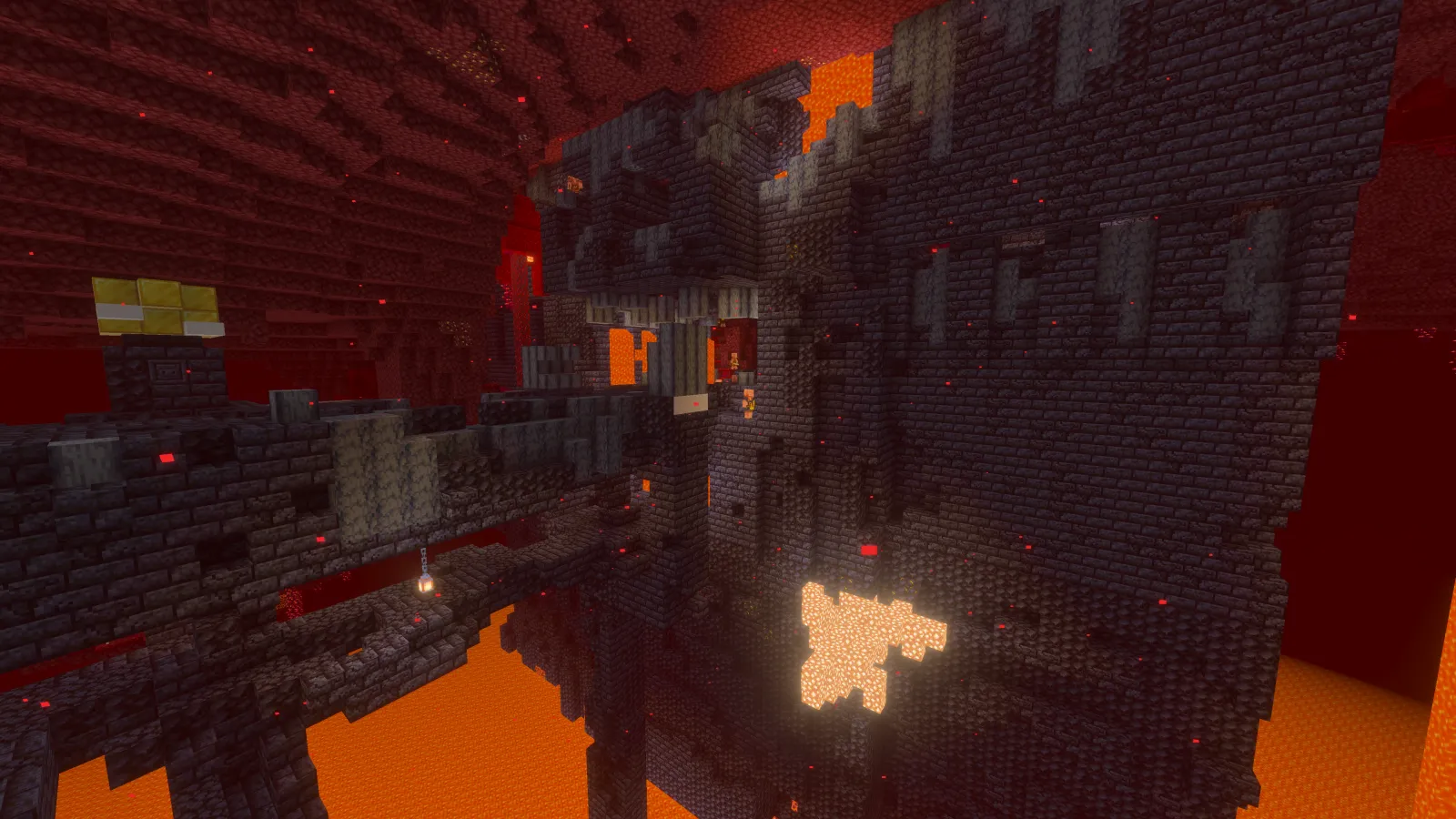
Nether fortresses are your second major treasure source. These massive brick structures generate randomly throughout the Wastes, and they're loaded with valuable loot:
- Nether bricks for building your base
- Chests containing enchanted gold armor and rare items
- Blaze rods (absolutely essential for reaching the End dimension)
- Saddles, name tags, and other difficult-to-find materials
Finding a fortress is partly luck unless you're checking the seed beforehand, but once you find one, you've hit a goldmine. Explore every corner methodically. Blazes spawn near their spawners, and treasure chests are scattered throughout the structure. One server I played on had players farming fortresses for weeks just to fuel their End dimension grind.
Nether gold ore spawns everywhere and drops raw gold when mined (you need at least a wooden pickaxe). Gold bars are useful for powered rails and decorative applications, but they're not game-changing like ancient debris. Real talk, still, if you're in the area mining, grab the gold ore.
Soul sand might not sound exciting, but it's essential for brewing stands and certain redstone contraptions.
Mobs You'll Face and How to Survive Them
Four hostile mobs dominate the Wastes: ghasts, blazes, wither skeletons, and magma cubes. Each one has a different threat level and different counters.
Ghasts
These floating jellyfish-like creatures shoot fireballs constantly. Annoying? Absolutely. Dangerous? Not really, if you've got decent armor and you keep moving. The real problem is their fireballs set wooden structures on fire. If you've built anything with wood, those fireballs will wreck it. Solution: carry a water bucket and spray it on any fires immediately. Also, you can technically reflect their fireballs back at them if you time it right with your sword, but that's advanced technique stuff and probably not worth the risk.
Blazes
These are genuinely dangerous. They spawn near fortresses, shoot fire rapidly, and often come in small packs. These take reduced knockback from melee attacks, so your best strategy is range damage with a bow or crossbow. Get high ground, aim carefully, and don't let them close the distance. If you're melee-focused, use shields and try to back them into water (yes, water works here).
Wither Skeletons
These are the worst mob encounter in the Wastes. They're shorter than regular skeletons but significantly more dangerous. They carry stone swords, they apply the Wither effect when they hit you (that status effect is brutal), and they spawn in bigger numbers near fortresses. Your best defense is heavy armor, healing potions, constant movement, and shields. Don't trade blows with them if you can avoid it.
Magma Cubes
Less common and less threatening overall. They're like slimes but fire-themed. If you don't walk on lava, you'll rarely encounter them. When you do, use the standard slime strategy: hit the big one until it breaks into smaller versions, then finish those off.
Pro tip: wear netherite or diamond armor and always carry healing food. Steak and cooked porkchops heal the fastest. Potions help too, but they're harder to craft on the fly.
Creative Builds for the Nether Wastes
This is where the Nether Wastes gets genuinely fun. The color palette is incredible for building: dark reds, blacks, grays, and purples all work beautifully in this environment. I've seen players build everything from Gothic castles to industrial megabases, and almost all of them look menacing and stunning.
Nether bricks, blackstone, and nether gold ore work perfectly for detailing. One SMP I tested had a player base built partially into an actual fortress, with dark red walls, gold ore accents, and glowing details creating an honestly threatening aesthetic.
If you're building something serious here, your skin matters too. Check out the free skin gallery on minecraft.how - we've got over 123,000 skins with a 3D previewer, so you can find something that matches your build aesthetic before you start constructing.
Build ideas that actually work in the Wastes:
- Fortress integration: Build on top of or integrated into an actual fortress. It's architecturally challenging and looks incredible once you get the design right.
- Underground hub: Create a central base inside a fortress where you store materials, set up brewing stands, and organize your Nether operations. Very practical for long mining sessions.
- Lava farm: Combine lava and water to farm obsidian. It's thematic and surprisingly useful if you're planning major portal infrastructure.
- Blackstone structures: Carve out caves and build with blackstone variants for dark, industrial designs. The aesthetic fits perfectly.
Survival and Efficiency Tips
Mining ancient debris is a numbers game. Spawn rates are low, which means efficiency matters more than effort. Branch mining at Y-level 15 works well in practice. Carve out tunnels, leave light sources every few blocks, and systematically explore the layer. Yes, there are technically "optimal" heights if you're min-maxing, but Y-15 is close enough and you won't drive yourself crazy trying to be perfect.
Bring fire protection enchantments on your armor. Seriously. Ghasts and lava will kill you otherwise, and you'll lose your items to the void.
Before you head into the Wastes, stock up properly: food, armor repair materials, water buckets for safety, torches for lighting, and maybe some scaffolding for quick mobility. Running back to the Overworld because you forgot something wastes serious time.
If you're running a Minecraft server and gathering a community around your world, test your server's voting system using the Votifier Tester tool. Seems random, but server health matters when you're building a community.
The Nether Wastes isn't the prettiest biome. But it's essential for progression, and doing it right means setting yourself up for success later. Good gear, good food, good planning. That's the formula.

Lead writer at minecraft.how. Long-time Minecraft player running a small SMP server, testing every build, mod, and seed before writing about it.
Najczęściej zadawane pytania
What is the best Y-level for mining ancient debris in the Nether Wastes?
Which mobs are the most dangerous in the Nether Wastes?
Where can I find Nether fortresses in the Wastes?
What should I build in the Nether Wastes?
What armor and tools do I need to safely explore the Nether Wastes?
Have a Question or Tip about this Guide?Community Q&A
Ask a question or help other players below. Join the discussion and share your Minecraft tips!
Komentarze
Brak komentarzy. Bądź pierwszą osobą, która podzieli się opinią!