Small Island Survival in Minecraft Bedrock 2026
Small island seeds in Bedrock Edition present a compressed survival experience: thriving on minimal land surrounded by ocean. In 2026, with Minecraft 26.2 live, these seeds are more viable than ever thanks to updated biome generation and water mechanics that actually reward tight-space building.
Small Island Seeds Explained
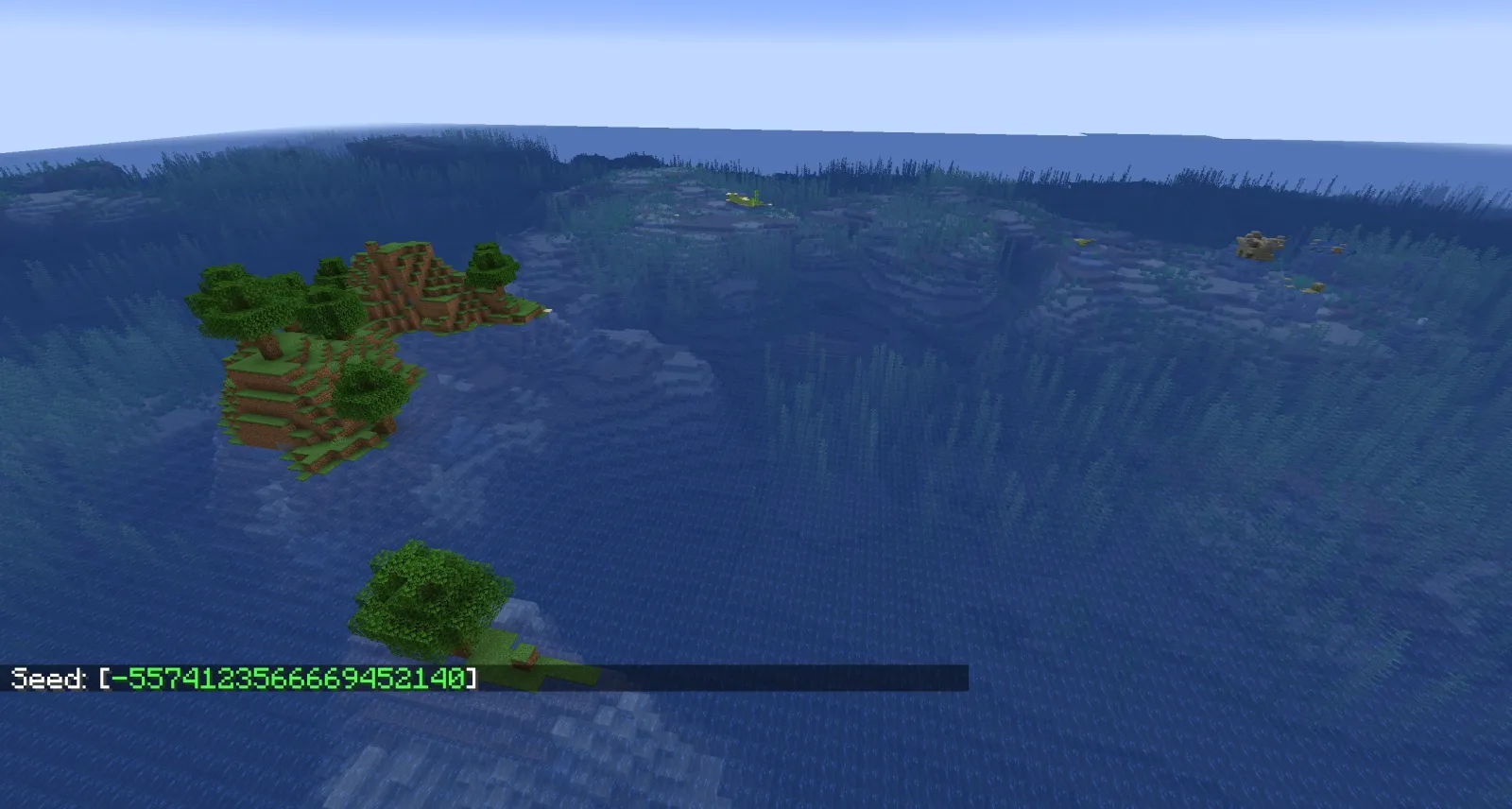
Small island seeds are world codes that spawn survival worlds with limited, isolated land surrounded by ocean. They range from single tiny islands to archipelagos with multiple small landmasses. Each requires creative resource management and different building strategies than sprawling continents.
I've run three island-focused servers on my personal SMP, and the appeal is obvious.
Players love working within constraints. The island forces creativity, prevents the "log in and wander aimlessly" problem that kills some servers, and creates natural farming zones without needing to establish borders. You're never questioning where to build your house or farm your crops - the island answers that for you.
Bedrock Edition handles island generation differently than Java does. Ocean biome distribution, coral placement, and underwater feature density all follow different rules.
There's also a practical angle: small islands naturally support group play. Everyone stays close together, builds cluster without awkward distances, and you don't spend half your playtime walking to find your friends. That's actually been the biggest retention factor on my servers - social proximity matters.
What Changed for Bedrock in 2026
Version 26.2 brought significant tweaks to ocean biome generation and aquatic features that ripple through island survival.
The changes include denser tropical biomes spawning near islands, improved coral reef distributions, and better ambient lighting that makes ocean environments feel less monotonous. When you're surrounded by water on all sides, these visual improvements actually matter more than they sound on paper. You're looking at ocean constantly, so monotonous water generation gets old fast.
New underwater cave variations also appeared in 26.2. For islands with significant height variation, this means underground networks are genuinely interesting to explore now.
Actually, I should clarify something - the underground changes help, but they're not game-changing for pure island survival. Most island seeds don't have massive cave systems directly underneath. But if your island happens to have height variation or if you're playing with friends on an SMP, the new underground features definitely add depth to the experience.
Finding Seeds That Work
Seed hunting for islands requires real testing before committing. The reason: generation previews can look perfect while the actual buildable area is disappointingly small. I've skipped beautiful-looking seeds because the playable area was genuinely cramped after actually spawning.
Start by using the Minecraft Votifier Tester to verify seed authenticity. If you're pulling from community-shared lists, this tool validates whether the seed is legitimate and hasn't been corrupted during transfer. Takes 30 seconds and saves you from wasting an hour on a broken world.
What makes a good island seed? Look for these essentials:
- At least one beach area (spawn safety and building access)
- Nearby resources within 100 blocks (wood, stone, coal minimum)
- Interesting adjacent biomes visible from your island
- Actual buildable space (avoid 10-block "islands")
The best island seeds aren't always the most densely-featured.
Sometimes a seemingly "empty" island with basic generation is far better for actual survival than an island packed with structures and features you'll never use. The features in generation previews often eat up your actual building space, creating a crowded mess on spawn. I'd rather have a plain island with room to build than a visually interesting island where I can't place blocks.
Building Strategy on Limited Space
Building on small islands requires rethinking traditional Minecraft architecture. You can't spread horizontally, so you build vertically instead.
Multi-level builds become essential rather than optional. Your farms stack on top of each other, housing uses elevated floors, and storage lives underground.
One specific trick I use on my SMP: separate functional builds from aesthetic ones geographically. Put your mob grinder and resource farm on the far side of the island where it looks industrial. Keep the visible area reserved for housing and decoration. Players genuinely don't mind grinding areas being ugly if the main base area is polished.
Water management becomes critical too. On small islands, water sources and flowing water become decoration elements, not just invisible infrastructure. A well-designed water elevator or fountain becomes a centerpiece instead of hidden plumbing. This actually opens up building possibilities if you think about it differently.
If you're planning multiplayer survival, you'll want proper spawn protection and permission management. The Minecraft Whitelist Creator helps manage who can join your island world, preventing random players from spawning in and griefing your carefully-planned builds.
Multiplayer Island Survival in 2026
Small islands shine in multiplayer scenarios, and 2026 has seen increased community interest in island-based SMP servers. The space constraint creates social dynamics that sprawling worlds can't replicate. You can't avoid your teammates - they're right there on your island.
Testing multiplayer islands differs significantly from solo worlds. You need to verify spawn safety, whether chunk loading handles multiple players properly, mob farm efficiency during simultaneous play, and whether pathways feel natural or uncomfortably cramped. These factors shape the whole survival experience.
CraftMC, currently ranked among the top community-voted servers on minecraft.how, runs island-focused survival modes and proves the appeal works at scale.
Community sharing of island seeds happens constantly on Reddit and Discord. You'll see posts like "found a gorgeous 3-island archipelago seed - perfect for squad play" with coordinates, screenshots, and detailed feedback. These crowd-sourced recommendations are worth exploring before generating your own experimental world.
Is Small Island Survival Right for You
Small island seeds aren't for everyone, and that's completely fine.
If you love exploration and discovering distant biomes, island survival will frustrate you. If you prefer building sprawling terraforming projects, islands force constant compromise. If you want classic, constraint-free survival, the limited space will feel punishing rather than engaging.
But if focused gameplay appeals to you - where every decision matters and building space is genuinely precious - island seeds hit different. The constraint creates memorable stories and playstyles you'll actually remember.
Worth trying at least once on Bedrock 26.2, honestly. Worst case, you learn island play isn't for you and go back to traditional survival. Honestly, best case, you find a completely new favorite playstyle that keeps you engaged for months.
Before You Spawn In
Generate a backup of your island world before committing major builds. Island worlds can feel genuinely trapped if you realize mid-survival that the seed wasn't what you expected. Bedrock's backup system is simpler than Java's - actually use it.
Test seeds on local worlds before inviting friends to multiplayer versions. A seed that feels comfortable solo might actually be cramped with multiple players building simultaneously. Performance is generally solid on island worlds, but heavy vertical building can create lag points worth testing first.

Lead writer at minecraft.how. Long-time Minecraft player running a small SMP server, testing every build, mod, and seed before writing about it.