XP Farms Explained: How It Works and What to Build
XP farms automate experience gathering by trapping and damaging mobs in Minecraft, letting you level up enchantments and repair tools passively. They work because mobs naturally spawn in dark spaces, and when you damage them right, they drop experience orbs you can collect without doing the work manually. Different farm types target different mobs, each with trade-offs in complexity, speed, and output.
How XP Farms Work
The core mechanic is straightforward: mobs spawn in low-light spaces, you funnel them into a damage source, and they drop XP when they die. A trick is making it efficient. Most farms use fall damage (the most common approach), suffocation, drowning, or a combination. You set up a spawning platform high above the ground, create a channel that pushes mobs toward a drop, then arrange the fall height so they're just barely alive. Then a player (or hopper) can finish them off or let them drown.
Fall damage farms are popular because they're relatively simple. Gravity does the work for you.
The real complexity comes from spawn rates. Mobs need darkness (light level 0) and proper spacing to spawn. A mob spawning mechanic check happens randomly in chunks around the player, so the more you're present and the more viable spawn spots you've, the faster mobs appear. Look, this is why location matters so much. Building your farm in the right place (far enough from other naturally lit areas) will make or break your XP output.
One thing I see players mess up constantly: they build a farm and then stand somewhere else wondering why it's slow. Mobs only spawn in chunks loaded around you. Stay nearby or use another farm for passive gains.
Types of XP Farms for Different Needs
Not all XP farms are created equal. Each targets different mobs and has different damage mechanics, so choosing the right one depends on your goals.
- Mob Grinder Farms: The standard catch-all. Spawns mobs naturally, funnels them, damages them partway down, and you get XP. Works for most vanilla mobs (zombies, skeletons, creepers). These give solid XP but require you to stay nearby to finish kills or collect drops.
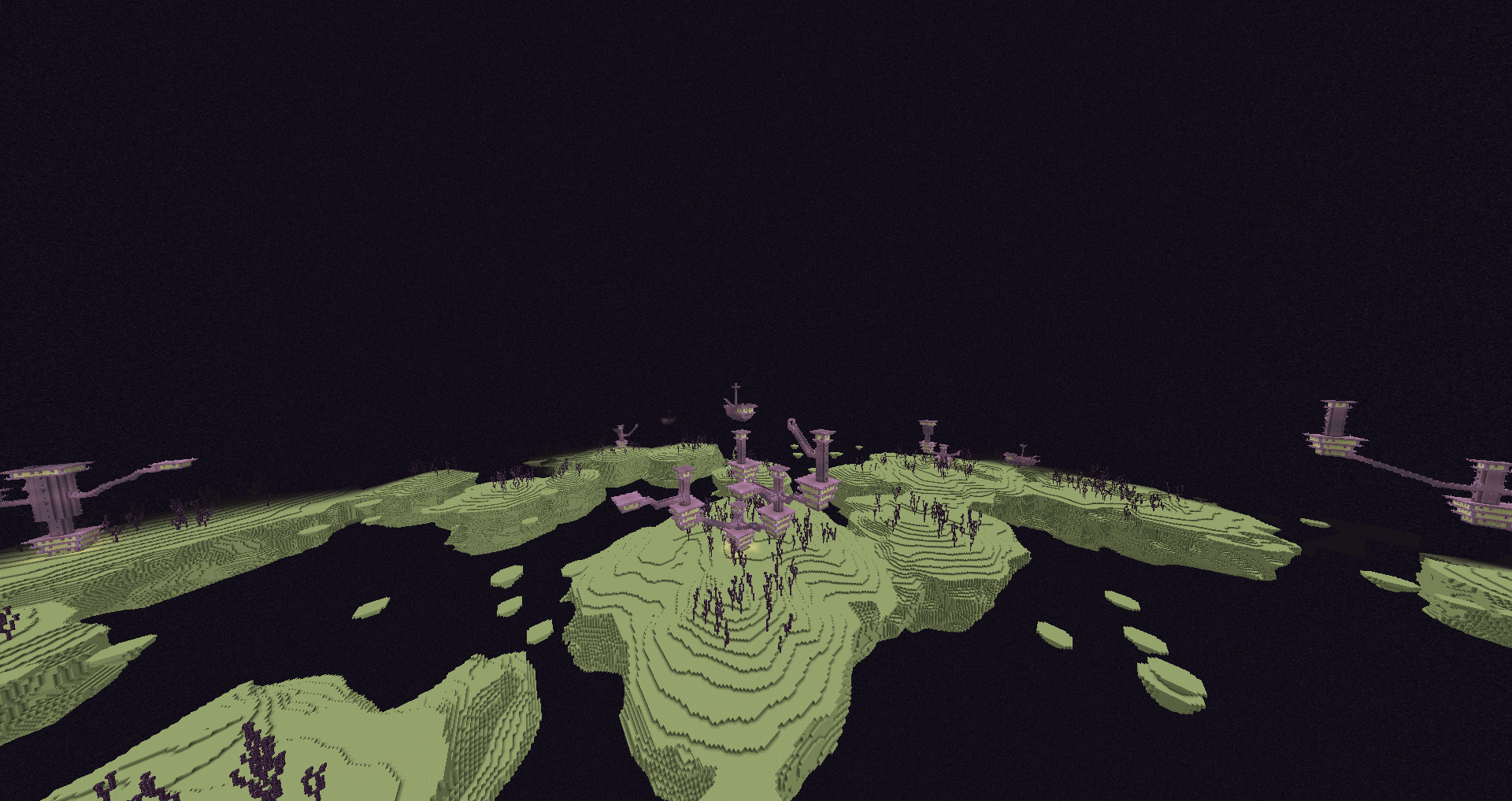
- Enderman Farms: Endermen spawn on top of dark platforms and can be damage with suffocation or fall damage. These give the best XP per mob in the game, but require careful setup to avoid them teleporting away. Definitely more advanced.
- Blaze Farms: Built in the Nether near a blaze spawner. You damage blazes with damage bottles or suffocation. Lower XP yield than enderman farms, but Nether blazes are easier to control since they don't teleport.
- Warden Farms: The new hotness in newer versions. Wardens give enormous XP but require significant setup with sculk sensors. Not beginner-friendly.
My personal recommendation for first-timers? Build a basic mob grinder. You get decent XP, learn the mechanics, and can upgrade later if you want to optimize.
Building Your First XP Farm
Start simple. Find a spot at least 128 blocks away from other light sources (caves, villages, spawners). Dark spots in the middle of an ocean or deep underground work well. You need height for the farm to function, so aim for a structure that's at least 30-40 blocks tall.
Here's the basic setup:
- Create a dark spawning platform roughly 30 blocks above the kill chamber. Make it at least 40 blocks in each direction so mobs have room to spread.
- Use water streams or soul sand to push mobs toward a central hole.
- Have them fall onto a lower platform that's 23-24 blocks down from the spawn platform. They'll have almost one heart of health left.
- Either hit them once yourself, or use suffocation damage to finish them off in an AFK-friendly way.
- Collect the drops below.
This takes a few hours to build but costs mostly stone and wood. Test the water flow before you commit to the full structure.
If you're setting up a server, you might want to configure spawn-related settings in your server properties for optimal mob behavior. Our Server Properties Generator can help you fine-tune those settings, though the defaults usually work fine for casual play.
The Best Farm Designs That Work
I've tested a few popular designs on my server, and results vary depending on your version and location. Minecraft 26.1.2 fixed some spawn-rate quirks, so farms that were slow in older versions might actually work now.
The **Tango Tek design** (if you can find it) is still the gold standard for balanced complexity-to-output ratio. It's not the fastest, but it's reliable and relatively compact for a base. The **ilmango design** pushes more mobs faster, but you need more resources and careful spacing.
Actually, let me correct myself there. The absolute fastest designs right now use Endermen or Wardens, not regular mobs. But those require way more engineering. If you want consistent passive XP without micromanaging, a standard mob grinder beats them.
Reddit has tons of designs too. Browse r/Minecraft and look for recent posts with positive comments. Designs from 2023-2024 tend to work better on current versions than older guides.
Optimizing Your Farm for Peak Output
Once your farm is running, you can tweak it.
- Make sure you're standing in the right spot. Position yourself where you can monitor the farm without blocking spawn areas.
- Light up nearby caves and surfaces. The more you reduce natural spawning elsewhere, the more mobs prioritize your farm.
- Increase platform size if you built small. More spawn spots mean faster mobs.
- Double-check your water streams. Stuck mobs won't reach the drop, wasting space.
- Use hoppers and minecarts strategically if you want to collect drops without being present. This requires redstone knowledge though.
One optimization I don't see talked about enough: chunk loading. If you use spawn chunks or a chunk loader, your farm runs passively without you being online. It's not vanilla Survival, but it's game-changing for small community servers.
Common Mistakes That Tank Your Farm
Building too close to your actual base is mistake number one. Mobs spawn in darkness, so if you've lit up your house and left gaps in your spawn platform, you'll get inconsistent rates.
Fall heights matter. 23-24 blocks is the sweet spot for almost-dead mobs. A few blocks off? You're looking at much slower kill rates.
Forgetting to remove hostile mobs from nearby spawners or caves means they compete with your farm for spawn slots. Frustrating but fixable.
Not testing AFK friendliness early on. If your design needs active participation (you hitting mobs repeatedly), you'll burn out fast. Build with automation in mind from the start, even if you're not doing redstone.
And here's a subtle one: building the farm in the wrong biome. Some biomes have lower spawn rates than others due to spacing rules. Dark forests and plains tend to work better than mountains or extreme biomes.
Why Your Farm Might Be Slow (And How to Fix It)
If your XP rates feel low, it's almost always one of these issues. First, check your light levels around the farm. Light level 0 (complete darkness) is required. Torches, glowstone, or any light source breaks spawning nearby. Use a light level checker if you're unsure.
Second, verify your platform size. Tiny spawning areas = slow rates. Aim for at least 40x40 blocks at minimum. Bigger is better (I've seen farms push 50x50 or larger).
Third, confirm your location. If your farm is too close to caves, villages, or other naturally lit areas, mobs will spawn elsewhere. Move it further out or light up your surroundings to force spawns toward your farm.
Last check: other players on your server running farms or exploring chunks nearby will absolutely tank your rates. Spawn slots are limited. If you're on a busy server like CraftMC (they've got about 1784 players online at peak times), you might struggle with passive farms unless you're in an unused world.
Is Building an XP Farm Worth It?
Absolutely, especially if you're planning to run enchantments long-term. A working farm saves you hours of grinding mobs manually, and the XP adds up fast once you've optimized it.
On my server, I built a basic mob grinder two years ago and it's still running. It's paid for itself dozens of times over in mending repairs and enchantment rerolls. The build took maybe six hours, and I get passive XP whenever I'm online.
If you want to get creative with your farm's appearance, you could design a custom skin or player head decoration around it using our Minecraft Skin Creator. Make your farm look intentional rather than just utilitarian.
XP farms aren't essential, but they're one of those builds that feels good when you see it working. You built something that does work for you.

Lead writer at minecraft.how. Long-time Minecraft player running a small SMP server, testing every build, mod, and seed before writing about it.