Everything About Mud in Minecraft: Uses, Crafting, and Building
Mud blocks are one of Minecraft's most underrated building materials and environmental features. Found primarily in mangrove swamps (added in version 1.19), mud offers unique properties that affect player movement, serves as a renewable clay source, and opens up creative terraforming possibilities. Whether you're building a swamp biome or farming clay efficiently, understanding mud's mechanics is essential.
What's Mud in Minecraft?
Mud is a solid block with a distinctly squishy appearance - it's basically dirt that's been waterlogged beyond recognition. When you walk on it, you move slower than on regular blocks. This slowness effect is one of the things that makes mud interesting, honestly. It's not just a cosmetic property; it actually changes how you navigate certain biomes.
The block itself is fairly simple mechanically, but it serves multiple purposes.
Most players encounter mud for the first time in mangrove swamp biomes, where it generates naturally alongside mangrove trees and shallow water. If you've never been to one of these biomes before, the entire landscape is basically mud with water scattered throughout - it's visually distinctive and immediately recognizable. The mud blocks there spawn directly beneath the water level in the biome, creating those characteristic muddy areas.
Where Mud Generates Naturally
Mangrove swamps are the only biome where mud generates naturally in survival mode. These biomes are fairly rare, but not impossible to find if you venture far enough from your spawn point. If you're playing on a server like CraftMC (currently one of the most popular Java servers with 748 players online), chances are someone's already found a mangrove swamp and marked it on the server map.
You can locate mangrove swamps using seed coordinates or by exploring, but there's actually a faster way to check what's near you. Our Minecraft Block Search tool lets you identify which blocks are in specific biomes, which helps when you're planning exploration routes. Knowing where mud concentrates means you can efficiently gather what you need without endless wandering.
Mud doesn't spawn in any other natural biomes, even if water is present. That exclusivity is actually what makes mangrove swamps special - they're the mud specialists of Minecraft.
How to Craft Mud Blocks
Here's where mud gets practical: you don't need to live near a mangrove swamp to use mud extensively. You can craft mud blocks from just two simple ingredients - dirt and a water bottle.
- Place one dirt block in a crafting grid
- Place a water bottle above it (or adjacent to it, Minecraft's flexible about this)
- Receive one mud block
That's genuinely it. Look, one dirt, one water bottle, done.
This crafting recipe is why mud becomes so useful for large terraforming projects. If you're building a swamp area in a desert biome or anywhere else, you don't need to trek across the map to gather mud - just use water bottles, which are trivial to collect from any water source. I tested this on my SMP server when someone wanted to build a massive swamp area in the middle of a plains biome, and the crafting recipe meant we could complete the project in hours instead of days.
The recipe uses the same logic as other water-plus-block crafting in Minecraft, so if you're familiar with creating mud, the concept translates to other blocks too.
Converting Mud to Clay
One of mud's most valuable functions is its relationship with clay. If you place a cauldron above mud blocks and let water drip onto the mud (typically from dripstone), the mud gradually converts into clay. Clay, of course, is far more useful than mud for many crafting recipes - brick blocks, clay pottery, terracotta, and more all start with clay.
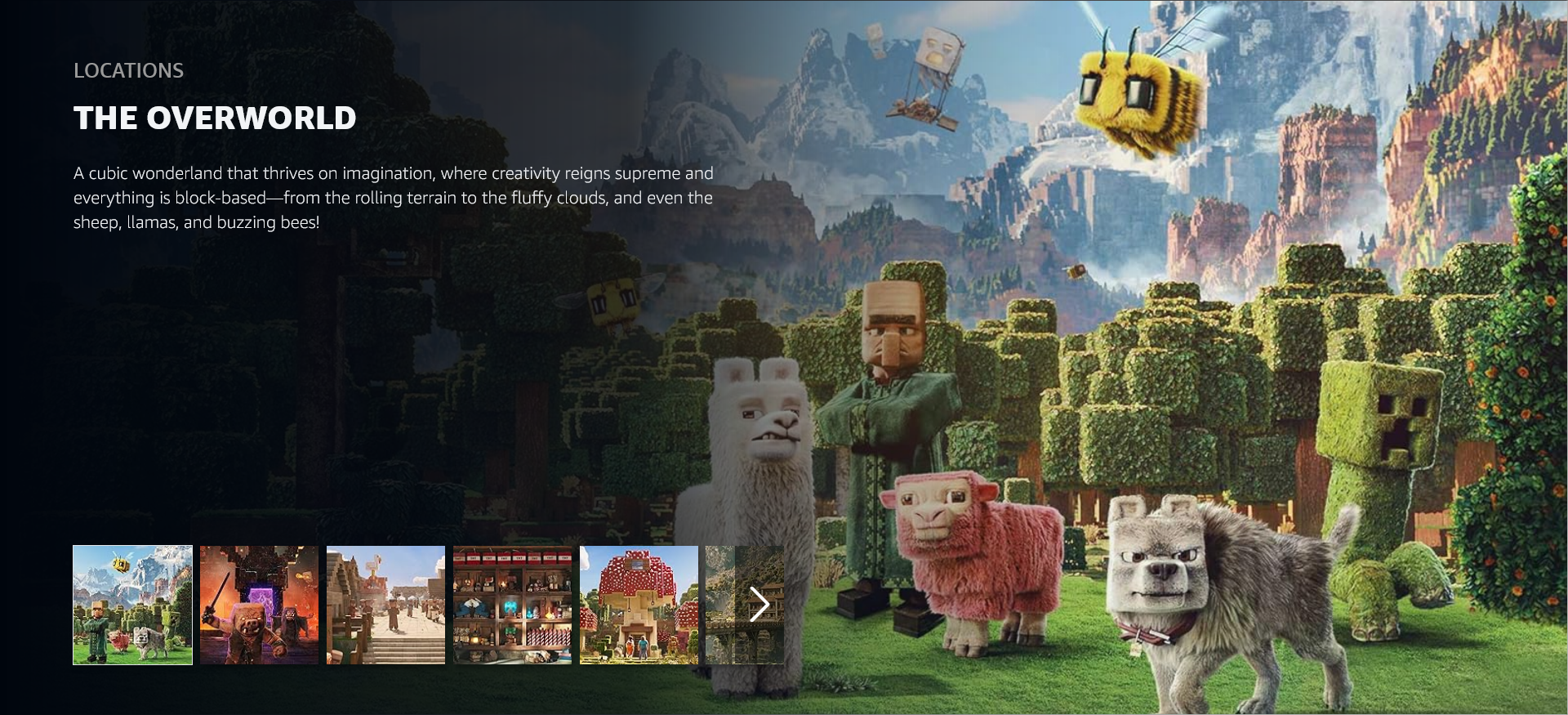
This creates an effective clay farm if you set it up properly with dripstone arrangements and flowing water. Actually, that's not quite right - it creates a clay farm if you're patient, because the conversion is slow. But if you build the farm correctly (with multiple dripstone columns working simultaneously), you can accumulate clay steadily over time without ever mining it yourself.
The dripstone arrangement matters because water needs to drip directly onto the mud. Too many people try this and get frustrated because their dripstone setup isn't aligned properly. Make sure each drip source is directly above mud, with no offset.
Using Mud in Building and Terraforming
Mud blocks are absolutely stellar for terraforming projects. Their color palette fits naturally into swamp environments, wetlands, and even some fantasy-style landscapes. The slower movement effect, while initially annoying, becomes an aesthetic advantage - it reinforces the "this is a swampy, difficult terrain" feeling without needing to use other blocks.
Mixing mud with water, mangrove trees, azalea plants, and other swamp-themed blocks creates convincing natural biomes. I've seen some genuinely impressive terraformed swamps on servers that look almost identical to real mangrove swamp generation because builders used mud as the foundation layer. The key is layering - mud under shallow water, with vegetation on top, creates depth.
Building with mud for decorative purposes is also viable. Some builders mix mud into custom terrain as a soil-like texture element, especially in fantasy or roleplaying server environments.
One advantage mud has over other terraforming blocks is availability - crafting it en masse is straightforward once you've water bottles and dirt. That scalability matters when you're working on continent-sized projects or detailed terraforming.
Mud Mechanics and Farming Tips
Movement speed reduction is mud's defining mechanical property. Walking on mud is about 25% slower than walking on regular blocks (actually slightly variable depending on your exact movement direction). So this is intentional - it makes swamps feel like difficult terrain to traverse, matching the environmental storytelling.
If you're building a farm or structure on mud, be aware that you and mobs move slower on it. Mobs included - they don't get any speed advantage. This can actually be useful for mob farms or controlled movement areas where you want to slow mobs down.
Water interacts with mud in predictable ways - mud doesn't cause water to spread differently or behave oddly, so you can build with both blocks adjacent to each other without unexpected flooding or flow issues.
For clay farming specifically, the speed of conversion depends on how many dripstone columns you can fit and maintain. A single column is slow; multiple columns working in parallel speeds things up significantly. If you're planning a large clay farm, dimensionality matters - stacking your dripstone columns vertically multiplies output compared to a single-level setup.
Finding Mud and Seeds
If you want to spawn in or near a mangrove swamp, our seed library has tested thousands of seeds with biome maps. Search for mangrove or swamp-themed seeds and you'll find coordinates right there. Our current community favorite seed, "Offshore Floating Village" (seed 118823198, 1.21), actually spawns near water features that work beautifully with mud-based builds - https://minecraft.how/seed/1-offshore-floating-village.
You can also use our Minecraft Text Generator to create signage and labels for mud farms or swamp builds if you're setting up a server and want clear markers for where players should source materials.
The combination of mud availability, crafting simplicity, and visual appeal makes mud one of the most practical terraforming materials in modern Minecraft. It's not flashy - you won't see it featured in the most iconic builds - but it's fundamental to creating convincing natural landscapes and efficient resource farms.
And honestly? That's enough for me to respect it.

Lead writer at minecraft.how. Long-time Minecraft player running a small SMP server, testing every build, mod, and seed before writing about it.