Minecraft Iron Farm Guide 2026: Fast, Stable, Simple
A minecraft iron farm in 2026 is still one of the smartest builds you can make: cheap materials in, endless iron out, and way less cave grinding. Build one early, keep villagers calm, and you'll never run out of hoppers, anvils, rails, or random redstone ideas at 2 a.m.
Best Minecraft Iron Farm Setup in 2026
If you only build one automation project this week, make it this one. Iron touches almost everything after your first base upgrade, and manual mining just can't keep up once you start crafting hoppers in bulk. I tested three layouts on a private Paper server and one vanilla single-player world, and the same pattern won every time: compact villager pod, separated zombie line of sight, and a kill chamber placed so golems path into it naturally.
Simple beats fancy here.
Big decorative farms are cool for screenshots, but most players need reliability first. A working 600-900 ingots per hour setup that never breaks is better than a 2,000+ theoretical build that desyncs when one villager decides to stare at a wall forever (classic).
One quick 2026 context note: update cadence has shifted to smaller drops. PCGamesN reported on March 4, 2026 that Minecraft 1.26.1 "Tiny Takeover" was expected around March 2026 based on the quarterly pattern. But that matters because mob behavior tweaks can happen in drops, so always sanity-check your farm after any version jump.
Minecraft Iron Farm Mechanics, Explained Like a Normal Person
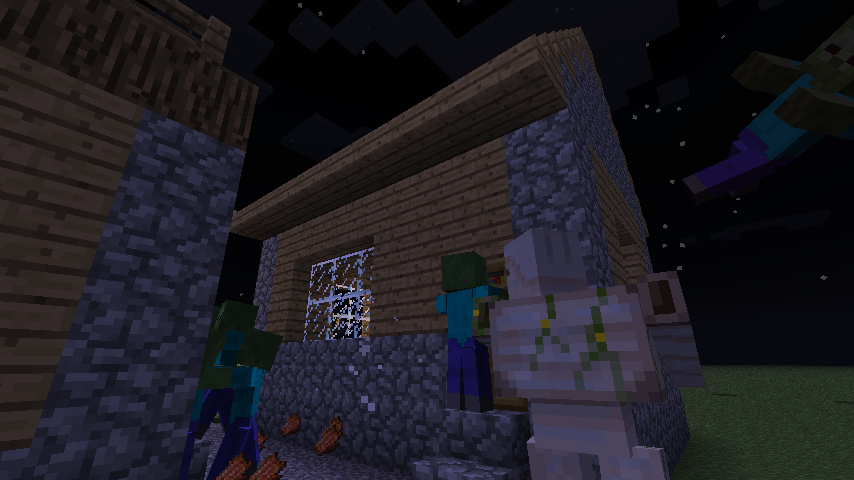
Here's the short version: villagers must panic, then sleep, then detect a valid spawn area for iron golems. If those conditions cycle correctly, golems spawn. If they do not, your farm turns into a very expensive apartment building.

Java Edition is usually easier to optimize because line-of-sight panic setups are predictable once you lock villager positions. Bedrock can be stricter with village definitions and detection ranges, so some Java tutorials fail there. Actually, "fail" is a little harsh, they work until they suddenly don't after a tiny block misalignment.
Core mechanics you should treat as non-negotiable:
- Villager beds: every worker villager needs a valid, reachable bed link.
- Workstations: needed for stable village behavior, even if you don't care about trading.
- Panic trigger: zombie or hostile threat must be visible at intervals.
- Spawn floor: enough valid blocks in the right radius, with all nearby caves and rooftops spawn-proofed.
- Kill zone: lava blade or fall chamber that clears golems quickly so cap pressure stays low.
And yes, cats will spawn too. Free string farm bonus, I guess.
Step-by-Step Minecraft Iron Farm Build (Early-Game Friendly)
This is the practical build path I recommend for survival worlds that are still in the "why do I only have four diamonds" phase. It isn't the maximum-output design, but it starts producing iron fast and upgrades cleanly later.

Materials you actually need
- 20 beds
- 20 workstations (fletching tables are cheap)
- 3 villagers minimum for basic function, 20 for stable output
- 1 named zombie (or other panic source where applicable)
- Building blocks, signs, water buckets, lava bucket
- Hoppers, chests, slabs, trapdoors, glass
- Boats or minecarts for villager transport
Build order that avoids 90% of headaches
- Pick location first: at least 100 blocks from other villages, breeders, or random beds. Horizontal distance saves lives.
- Make villager platform: lock each villager in a 1x1 with bed access and workstation in front.
- Add zombie chamber: keep safe spacing, then give periodic line of sight using trapdoor timing or movement lane.
- Create spawn platform: flat area with water streams pushing golems into kill chamber.
- Install kill + collection: lava blade over signs, hoppers below, chest buffer behind.
- Spawn-proof surroundings: caves, rooftops, nearby terrain, and especially your "temporary" staircase you forgot to remove.
- Run daylight test: check villager panic and sleep cycle over one full day-night cycle.
Do this in order. Every time I rush step 6, I end up hunting rogue golems in nearby ravines.
Want it to look less like a prison block? Theme the worker pods with village-style skins. I used a mix of farmer villager-inspired skin, Ironman1594 iron-themed skin, and ironmouse character skin around my trading hall entrance. If you want a goofy server bit, add a "farm manager" look with Macdonaldsfarmer skin and a creator-style guard post using ciron_yt Minecraft skin.
Purely cosmetic, sure. But ugly farms get abandoned, and abandoned farms make zero iron.
Why Minecraft Iron Farms Break (And Fast Fixes)
Most broken farms aren't bugged. They are desynced. Villager logic got interrupted by chunk unloads, pathing glitches, or one missing bed assignment.

Start with diagnosis, not rebuilding:
- No golems at all: verify villagers are linked to beds and can panic, then confirm zombie is visible at the right angle.
- Works briefly, then stops: check sleep cycle and workstation access, villagers need routine.
- Golems spawning outside: spawn-proof a wider radius, including caves and ledges below farm height.
- Bedrock inconsistency: re-check village center, bed count, and placement symmetry. Bedrock is pickier about village math.
- Collection clogging: add overflow chest and item sorter if poppies back up your hopper line.
One blunt tip: if this farm is mission-critical on a server, keep it in always-loaded chunks. Not spawn chunks necessarily, just consistently loaded. Farms that unload mid-cycle become "sometimes farms," and those are worse than no farm because they trick you into trusting them.
Also, test after updates. The Loadout reported on June 14, 2024 that Mojang started native PS5 testing, and console performance improvements have continued since then. Better performance is great, but behavior parity checks still matter when versions shift.
Java vs Bedrock Iron Farm Rates in 2026
Players always ask for one number, but output depends on villager count, reset timing, and server tick stability. So here are realistic bands from survival-friendly builds, not lab-perfect demos.

- Java compact farm: roughly 300-900 ingots/hour depending on villager count and cycle stability.
- Java advanced modules: 1,200+ ingots/hour with stacked cells and tight entity handling.
- Bedrock practical farms: often lower than Java at equal footprint, but still enough for all normal progression.
Chasing max rates is fun for a weekend. For long-term worlds, I pick stability and low maintenance every time.
On SMP, chunk loading and lag spikes can shave 20-30% off posted tutorial rates. Nobody likes hearing that, but it's true. I once copied a "1,500/hour" blueprint exactly on a mod-light server and got 980 on a good hour. Still excellent, just not thumbnail numbers.
Upgrade path that actually makes sense
- Build one stable module near base.
- Add storage buffer and item transport line.
- Only then add second module with proper spacing.
- Move to bulk smelting/trading automation once iron surplus is steady.
So yes, start small. Your future hopper factory will thank you.
Should You Build a Minecraft Iron Farm Right Now?
Yes, unless you are doing a strict no-automation challenge run. Iron demand scales faster than almost any other resource once redstone enters the picture, and villagers let you turn a mid-game bottleneck into a solved problem.
There's one caveat. If your world is still pre-enchant, pre-nether, and you barely have food sorted, pause and get basics done first. An iron farm is high value, but it is not step one. It is step "I am tired of mining iron manually for every hopper idea I get."
My practical verdict for 2026: build a compact, proven minecraft iron farm, lock in stable villager cycles, and ignore rate bragging contests until your infrastructure can support upgrades. Fast enough and always on beats huge and fragile. Every time.