Sculk in Minecraft: A Complete Guide
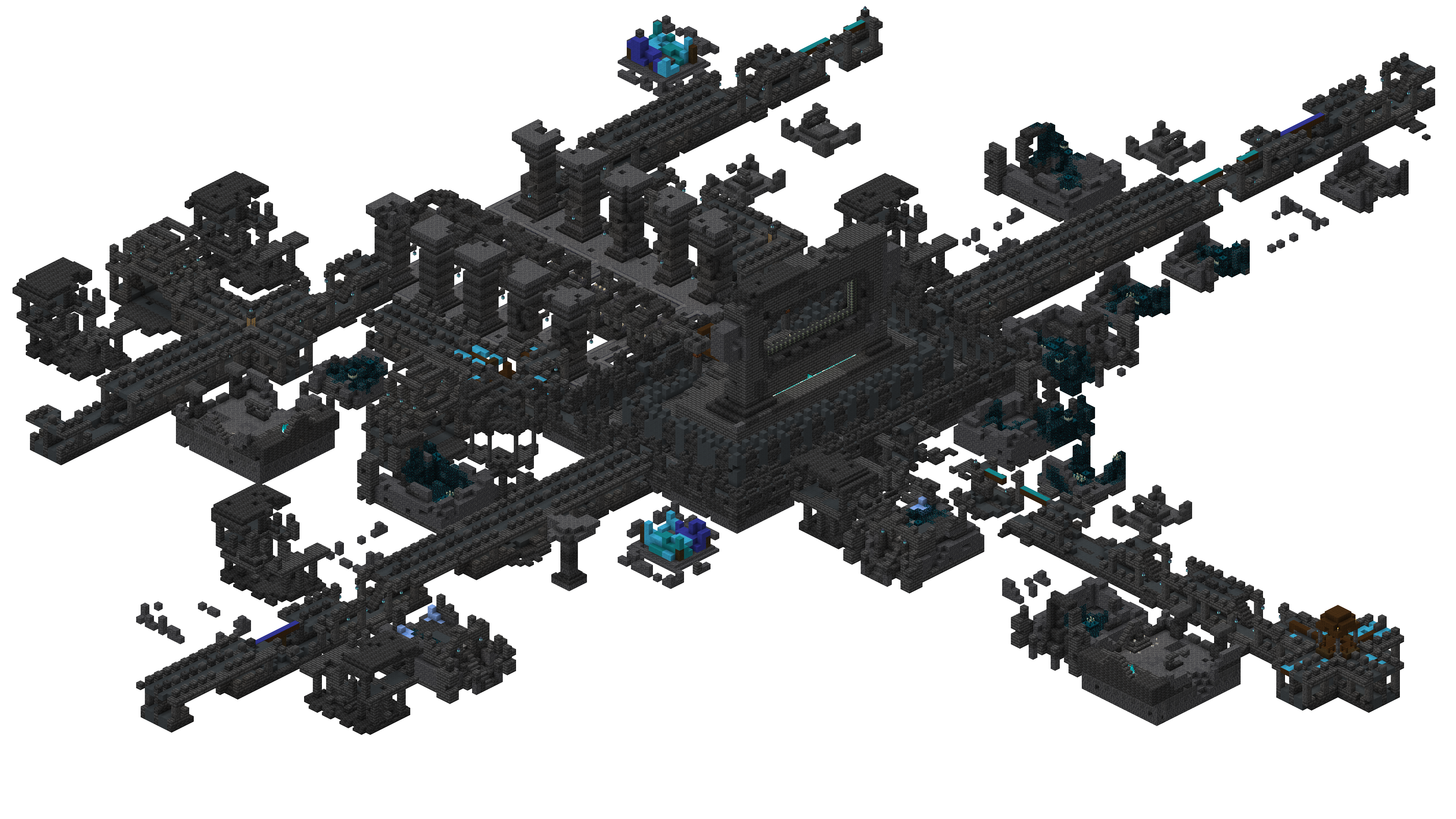
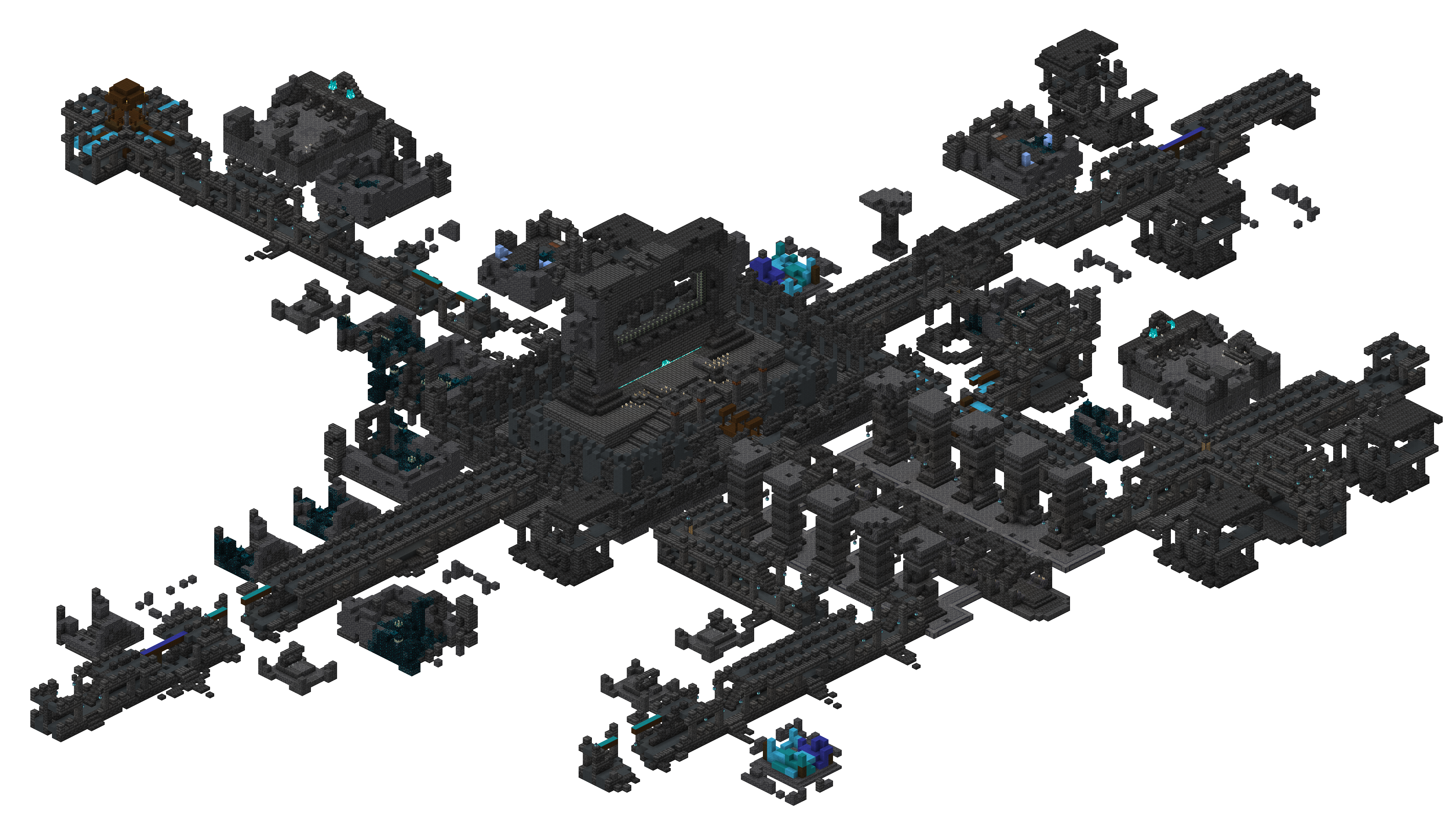
Sculk is one of Minecraft's most dangerous and important block types, spawning in the deep dark biome and linking directly to the warden mob. These blocks form a complex system involving sensors, catalysts, and shriekers that detect vibrations and escalate threats. Understanding sculk is essential if you want to explore the deep dark safely or farm these blocks for your builds.
What Exactly Is Sculk?
Sculk is essentially the environmental immune system of the deep dark biome. It's a block that grows when mobs die near sculk catalysts, and it comes in several forms: regular sculk blocks, sculk sensors, sculk catalysts, and sculk shriekers. The whole system is vibration-based, meaning it detects sound and movement within specific radius ranges.
If you've never ventured into the deep dark before, here's what you're getting into: it's dark, it's genuinely unsettling, and every movement you make matters. Even footsteps can trigger sculk sensors, which eventually alarm sculk shriekers. Three or more shrieker activations and you'll meet the warden. Not ideal.
Actually, let me clarify something. Sculk itself isn't hostile - the blocks just sit there. It's the system that's hostile. I tested this on my survival server last month, and I found myself lingering in the deep dark just admiring the dark teal and bioluminescent aesthetic before heading back up (carefully).
Breaking Down the Sculk Block Types
There are four distinct types of sculk blocks, and each serves a different purpose in the deep dark's mechanical ecosystem.
Sculk Block - The foundation. These drop experience when broken with a Silk Touch tool (about 10-15 XP per block), but nothing otherwise. Harvest one without Silk Touch and you get zilch. It's one of the few blocks in Minecraft that genuinely penalizes you for not having the right equipment. That's actually smart design - it teaches you to think about your tools before you head underground.
Sculk Sensor - The alarm system. These blocks detect vibrations within 8 blocks in all directions. Footsteps, breaking blocks, placing blocks, eating food - basically any action that creates sound triggers them. When activated, they emit a redstone signal and activate nearby sculk shriekers, making exploration incredibly tense. They're also one of the best ambient puzzle elements Minecraft has added. Honestly, they're incredible for redstone contraptions outside the deep dark too - farmers use them constantly for automatic systems. Our Block Search tool makes it easy to find and compare sculk sensors with other vibration-detecting blocks.
Sculk Catalyst - This is the growth engine. When mobs die near a catalyst (within 8-16 blocks), it converts surrounding blocks into sculk blocks and sensors. This is how the deep dark biome spreads and why it's so densely packed with sculk. Breaking a catalyst with Silk Touch drops it as a block, which matters if you plan to set up a sculk farm.
Sculk Shrieker - The warning system. When activated by a sensor or redstone signal, it emits a piercing scream and increases the warning level. Get three warnings, and the warden spawns. They're big, loud, and impossible to miss. Honestly, they represent some of the best environmental storytelling Minecraft has done with audio.
How Sculk Sensors Detect Vibrations
This is where sculk gets mechanically interesting. A sculk sensor detects any vibration within an 8-block radius, but the detection isn't uniform. Different actions create different vibration frequencies - footsteps have a certain frequency, mining has another, eating has yet another. When a sensor triggers, it emits a brief redstone pulse (power level 15) and activates nearby sculk shriekers within 8 blocks, increasing the warning level if it connects.
The range matters more than you'd think. Eight blocks sounds far, but in practice, you can't move around the deep dark silently. Crouching helps slightly by reducing vibration frequency, but you can't eliminate it. Many players think crouching is silent - it's not. It's just quieter. The sensors still detect you.
On my server's deep dark farm, we tested multiple pathways with different block types to understand sensor ranges. Testing was tedious, but you learn fast that even swimming creates vibrations. Jumping? Forget about it. The sensors catch everything.
The Warden: What Threatens You
Here's what everyone gets wrong about the warden: it's not particularly smart, but it's terrifyingly effective.
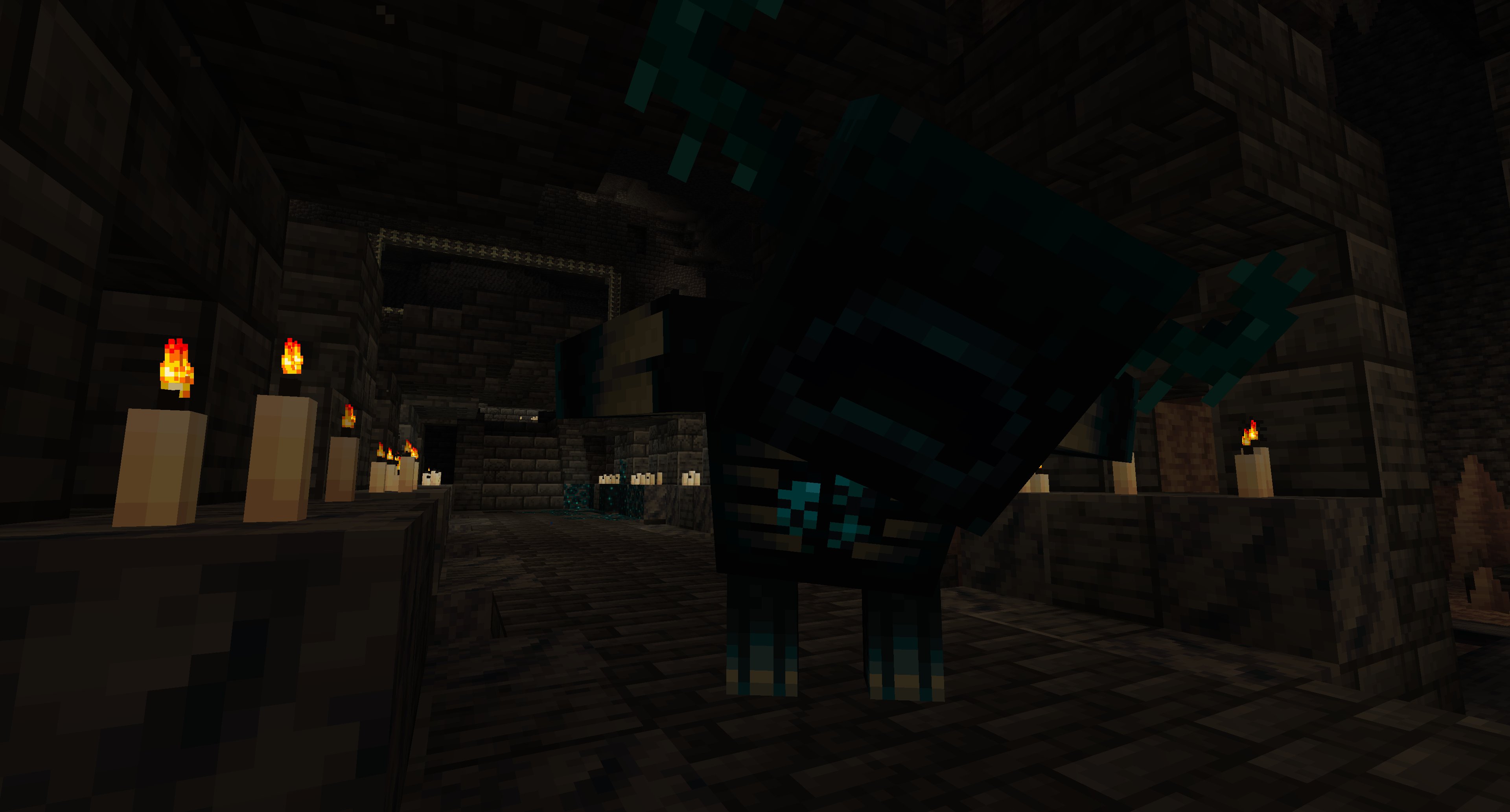
The warden spawns when a sculk shrieker activates three times. It emerges from the ground with a horrible screech and then hunts you with relentless efficiency. What you get can detect you through walls (sort of - it senses vibrations), deals massive damage (15 hit points per swing), and moves quickly enough that outrunning it requires planning. That also has no treasure drops, so fighting it's pointless.
What you actually need to know:
- Run. Seriously, running is 99% of the strategy.
- It has 250 health points, which is absurd for a mob.
- It's immune to projectiles (arrows bounce off).
- It creates a darkness effect around itself, making combat nearly impossible.
- Water and lava don't slow it down.
Mojang designed the warden as a hard-stop for casual deep dark looting. If you're going down there hunting for ancient city loot, you need a strategy. Bring speed potions, plan escape routes, and minimize time spent in sensor range. I've lost good gear to wardens. Everyone has. It's the price of entry.
Farming Sculk: The Reality
You can farm sculk by setting up a mob-killing chamber with a sculk catalyst nearby. When mobs die within range, the catalyst converts the surrounding area into sculk blocks and sensors. This gives you a renewable source of sculk for building, which is cool for spooky or ancient-themed builds. The blocks have that eerie bioluminescent glow that works perfectly in certain aesthetics.
But the real talk: sculk farming is slow and tedious compared to other farming methods. You need a mob grinder, a strategically placed catalyst, space in your world, patience for the conversion process, and Silk Touch pickaxes to harvest efficiently. It's doable, and some players run massive operations, but for most survival players it's more novelty than necessity. The blocks look interesting, but they're not essential for anything except avoiding them in the deep dark.
Use sculk if you want that specific aesthetic. Don't force it if you're just looking for versatile building blocks. There are better options for most builds.
Tips for Surviving Deep Dark Exploration
You're eventually going to explore the deep dark, so here's what I've learned through trial and error.
Equip armor with high protection enchantments before going down. Bring plenty of food, speed potions, and healing. Move in straight lines when possible - direction changes create vibrations. Light sources like torches trigger sensors, so use them minimally or not at all. Bring blocks to plug holes and block off shriekers while you loot.
Use your ears. The audio design is genuinely excellent. You'll hear sensors activating, and you'll know where shriekers are based on their sound direction. Use this information to plan your route.
Remember that the deep dark was designed to be scary and threatening. Mojang succeeded. Don't enter unprepared, and respect the biome's mechanics. If you're running multiplayer servers with deep dark content, ensure your infrastructure is solid - our Votifier Tester helps validate server voting systems while your players explore.
Final note: the warden is scary, but it's avoidable. Plan around it, move carefully, and you'll survive. Panic in the deep dark? That's when you lose.

Lead writer at minecraft.how. Long-time Minecraft player running a small SMP server, testing every build, mod, and seed before writing about it.