Skip to content
Skip to content
返回博客
《Minecraft》嗅探者指南:孵化、掉落和养殖

《Minecraft》嗅探者指南:孵化、掉落和养殖

Alexandru Maftei
Alexandru Maftei
@ice
Updated
2 次浏览
TL;DR:嗅探者是《Minecraft》中的古老生物,能够嗅出地下稀有种子。了解如何在古城中找到嗅探者蛋,使用温暖孵化,利用火炬花种子进行交配,并高效养殖以获取独家植物掉落,包括水瓢植物种子。

Sniffers are ancient mobs that sniff out rare seeds hidden underground. You can find Sniffer eggs in ancient cities, hatch them with warmth, breed them with torchflower seeds, and use them to discover exclusive vegetation. Here's everything you need to know about spawning, managing, and farming these helpful creatures.

Finding and Hatching Sniffer Eggs

Your first stop is the ancient city. These sprawling underground ruins are scattered throughout the deep dark biome, and they're absolutely packed with ancient loot. Sniffer eggs spawn naturally on certain suspicious blocks throughout these structures, though you'll need to brush them carefully with a brush to extract them without breaking them. Bring a brush, some patience, and ideally a pet for companionship down there (the deep dark gets genuinely eerie).

Once you've got an egg or two, the hatching process is straightforward but requires planning. Sniffers need warmth to hatch. You can achieve this by placing the egg on sculk sensors that detect vibrations, or more practically, by just setting the egg in a warm block like a campfire or soul campfire nearby. Some players build little incubators with heated blocks. The egg will crack after a few in-game days, and you'll get a cute little baby Sniffer.

The hatchling stage matters more than you might think.

Baby Sniffers take time to grow into adults, roughly 20 minutes in real time. During this phase, they're completely harmless and won't sniff anything. Just keep them safe and fed while they mature. Once they hit adulthood, they'll start their actual job: sniffing out seeds.

Breeding Your Sniffers

This is where things get interesting. To breed Sniffers, you'll need torchflower seeds. These rare seeds come exclusively from Sniffers themselves, so you'll need at least one adult to start the cycle. Feed two adult Sniffers with torchflower seeds, and they'll enter breeding mode, producing an egg after a short cooldown. There's a satisfying logic to it: Sniffers are the only source of torchflower seeds, but you need the seeds to breed them.

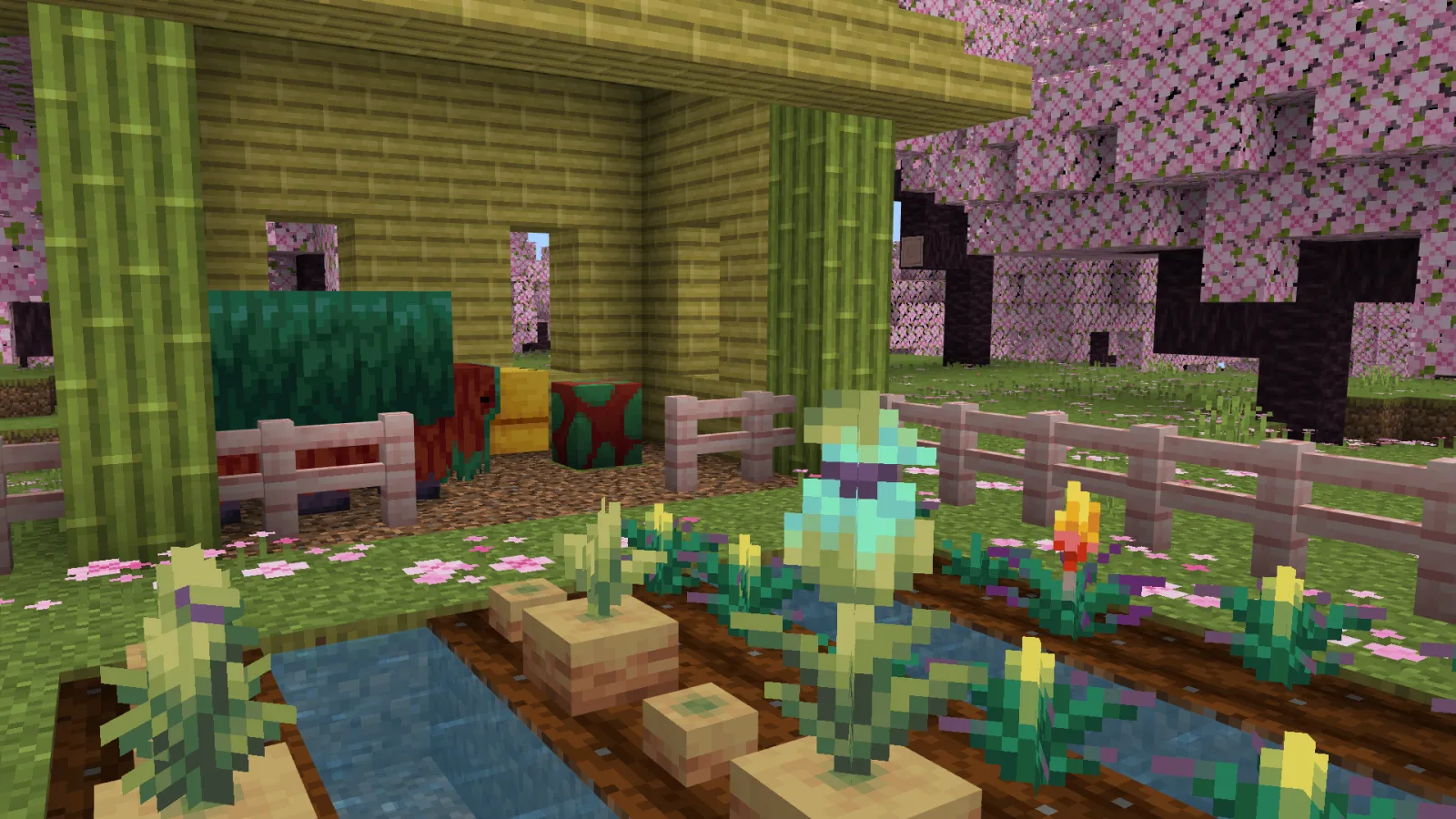
Ari's snifflet from a window in Minecraft

The cooldown between breeding attempts is roughly five minutes, so don't expect instant population growth. But with multiple Sniffers, you can cascade breed them steadily. I tested this on my server's test realm, and honestly, the growth feels deliberate rather than broken. It's not like breeding chickens or cows. This is slow farming, which honestly feels right for such a niche mob.

Space matters here.

Unlike most Minecraft mobs, Sniffers are surprisingly social. They'll cluster together if you let them, but they're not hostile. You can keep them in relatively tight enclosures without stress behavior, though giving them room to roam is better for aesthetics and practicality when you're trying to collect the seeds they sniff up.

What Sniffers Drop (And What They Don't)

This is the biggest misconception I see: Sniffers don't drop anything when you kill them. Zero loot. No experience even. That's intentional design. They're not a combat mob or a kill farm target. They're a tool, like a tamed horse or a goat.

Bedrock 1.20.0.23 PatchNotes in Minecraft

What they do provide is access to seeds. When a Sniffer sniffs around naturally (they do this on their own, no commands needed), they'll occasionally unearth torchflower seeds or pitcher plant seeds. Look, these seeds then appear in your inventory or on the ground nearby. Pitcher plant seeds are particularly rare and useful for decoration since they grow into pitcher plants, plants you literally cannot get any other way.

The sniffing behavior is passive and continuous, which is genuinely elegant design.

You're not grinding or afking. You're just letting the Sniffer do what Sniffers do, and over time you accumulate rare botanical materials. It's less farming and more... gardening with an assistant.

Setting Up an Efficient Sniffer Farm

A proper Sniffer setup balances breeding space, sniffing area, and seed collection. The simplest design is a contained pen with enough room for multiple Sniffers to roam freely and sniff. A 20x20 space works fine for 5-10 Sniffers. Use a combination of open ground (dirt, grass) and varied terrain since Sniffers sniff all block types equally.

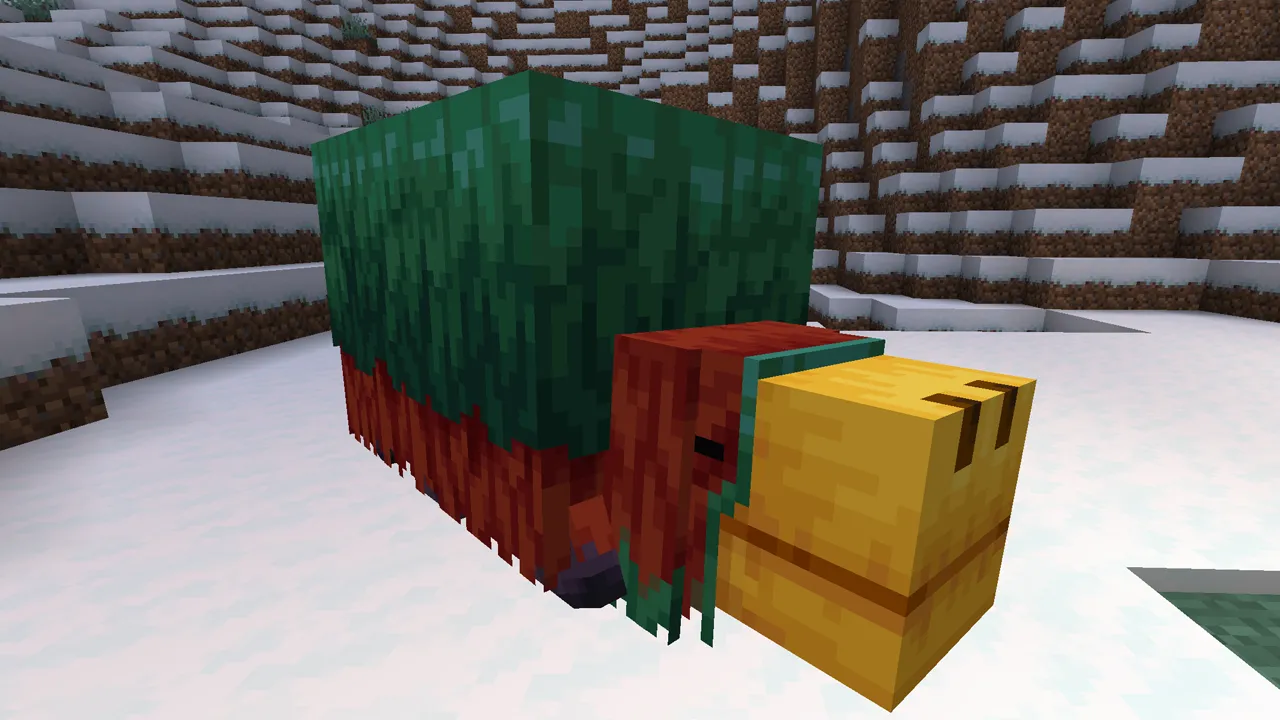
1.20 Dev Sniffer in snow in Minecraft

For breeding, separate a dedicated area with torchflower seed storage. When you feed two adults, move them away from the crowd temporarily to avoid chaos. Once the egg appears, they'll recover after their cooldown and return to sniffing duties. This rotating system keeps production steady without needing constant manual intervention.

Lighting is flexible.

Sniffers don't care about light levels for spawning or behavior. That said, brighter spaces help you see the seeds they drop. Use the Minecraft text generator to create custom signs for your farm's name or instructions if you're on a server. Multiplayer farms especially benefit from clear labeling to avoid confusion about which pens are for breeding vs. sniffing.

If you're running your farm on a public server (check your server status regularly to avoid lag issues), consider keeping your Sniffer pen away from heavily trafficked areas. Sniffing behavior seems to be affected by player proximity in terms of activation, though this is still somewhat debated in the community.

Auto-collection is possible but unnecessary.

Since Sniffers drop items on the ground rather than giving them to you directly, you could theoretically build hoppers underneath to funnel seeds into a central storage. Honestly though, just walking around and picking up seeds as they appear feels more rewarding. It's your call.

Growing Your Seed Collection

The real value of Sniffers emerges once you've established a stable breeding population and they're generating seeds consistently. Torchflower seeds become a renewable resource for decoration and breeding cycles. Pitcher plant seeds open up a whole aesthetic avenue: pitcher plants grow into beautiful hanging vegetation that adds green to builds in ways nothing else does.

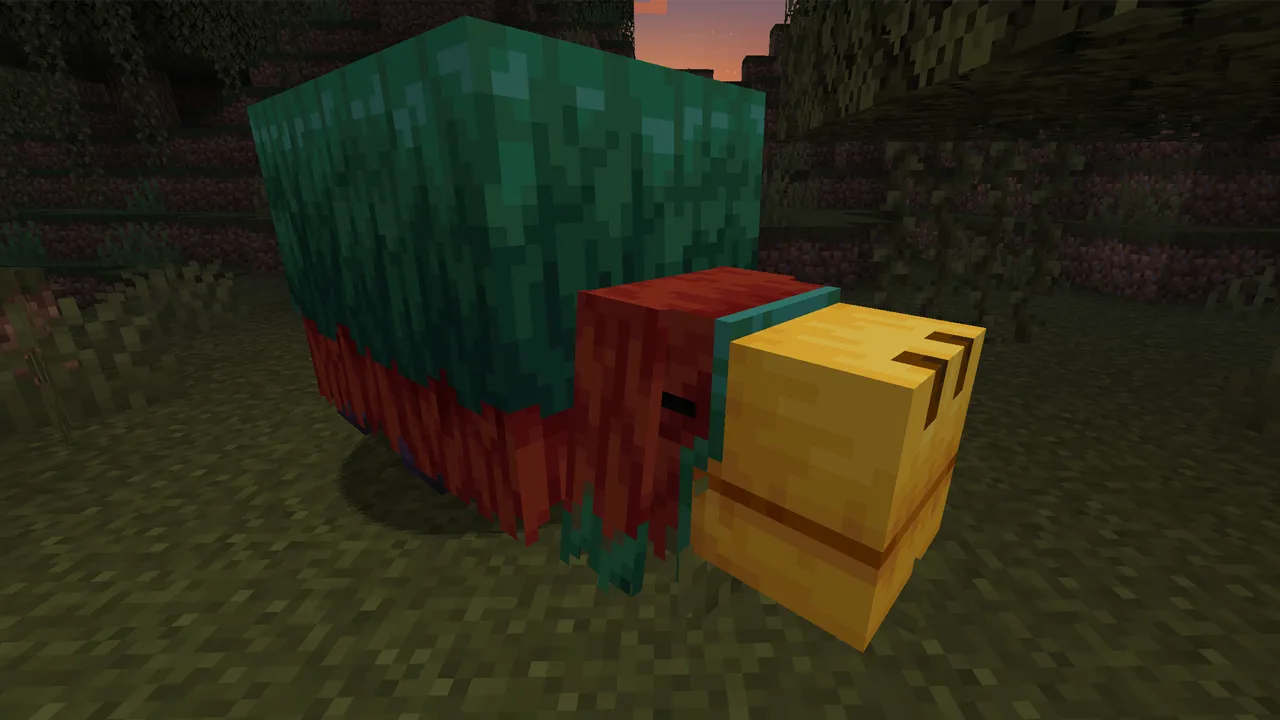
1.20 Dev Sniffer in swamp in Minecraft

After a few weeks of operation, even a modest farm of three or four Sniffers will have yielded dozens of seeds. The pace is relaxed, which makes Sniffer farming feel less like optimization and more like a living part of your world. They're just there, quietly doing their thing.

One last practical note: Sniffers are immune to most damage types but can still drown. Keep your farm away from water if you want to avoid accidental losses. Also, they won't despawn like regular mobs, so if you leave them in an unloaded chunk, they'll remain when you return. That's actually convenient for farm stability.

Building a Sniffer operation isn't complex, but it's deeply rewarding.

About the author
Alexandru Maftei
Alexandru MafteiLead Writer

Lead writer at minecraft.how. Long-time Minecraft player running a small SMP server, testing every build, mod, and seed before writing about it.

Share with your friends!

Comments

No comments yet. Be the first to share your thoughts!

We use cookies to improve your experience. By continuing to use this site, you agree to our use of cookies. Read our Privacy Policy