《Minecraft》如何改变了游戏行业:深度回顾
Minecraft didn't just change gaming - it redefined what games could be. What started as a quirky indie project in 2009 evolved into a cultural phenomenon that reshaped player expectations across every platform and genre. Today, it's the best-selling video game ever made, and its influence touches everything from AAA productions to mobile titles.
From Indie Experiment to Global Phenomenon
Here's the thing about Minecraft: nobody predicted it would become what it's. Markus Persson started coding it as a weekend project, inspired by other sandbox games but with a radically simpler vision. The creative freedom was the draw - just blocks, trees, and a vast world to shape however you wanted.
By 2011, it had already become massive. But what really mattered wasn't the sales numbers. It was that Minecraft proved the gaming industry had been thinking too small.
Players didn't need photorealistic graphics or cinematic storylines to get completely absorbed. They wanted agency. Those wanted to build. The indie gaming landscape before Minecraft was already interesting - Braid, World of Goo, and others had shown that experimental games could find audiences. But none of them changed how other developers thought about game design the way Minecraft did. Suddenly, everyone wanted to explore sandbox mechanics.
Breaking Genre Boundaries
This is where Minecraft really shifted the industry mindset. Before it, most games had pretty defined categories. You were either playing a first-person shooter, a strategy game, a puzzle game - something specific. Minecraft just wasn't that. It was survival and creativity and exploration and combat all rolled into one thing that people called a game.
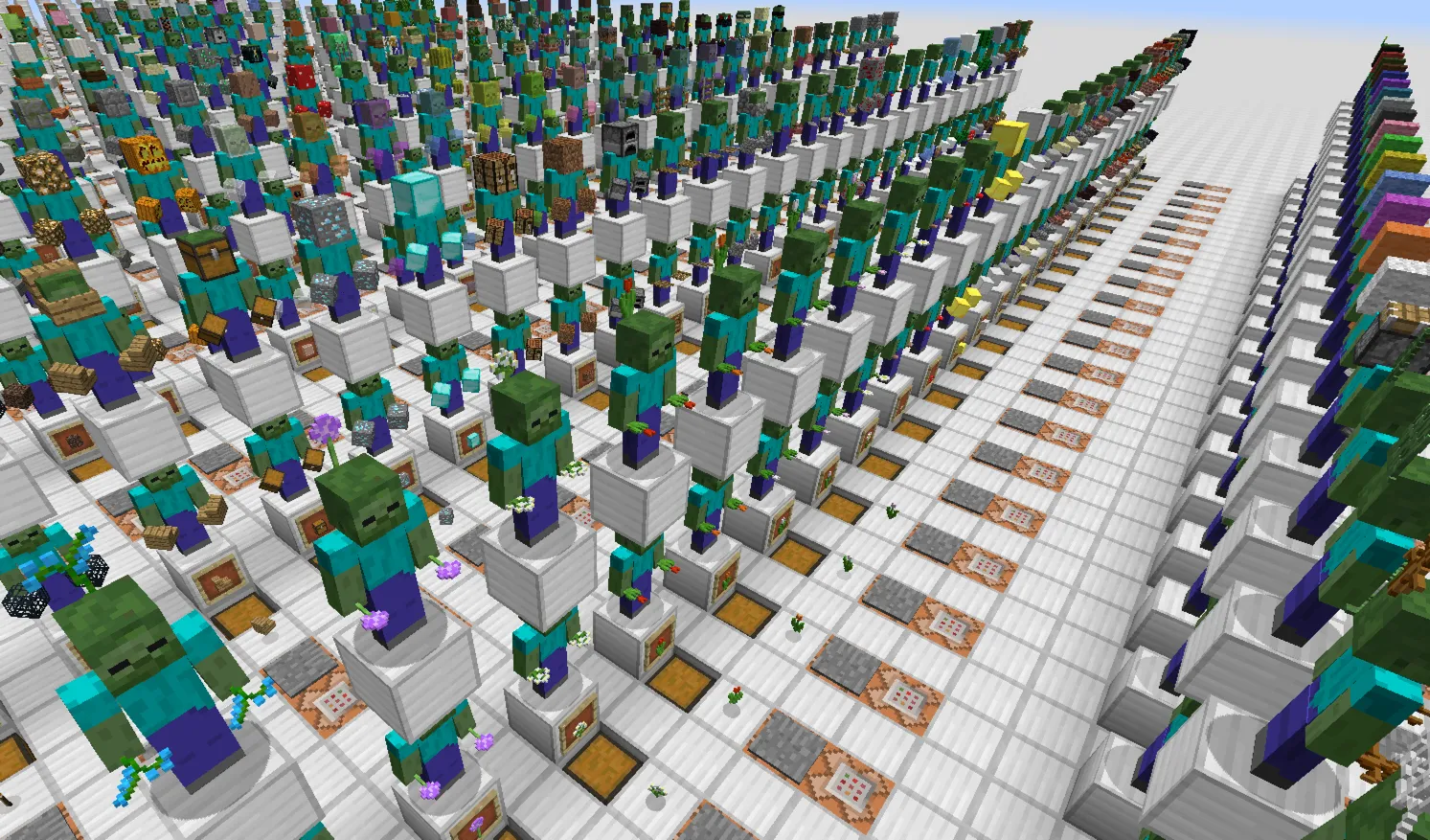
That flexibility meant different people could play the same game in completely different ways. Some players built magnificent architecture. Others speedrun the end-game.
Some just fish for hours. Most games try to funnel you into one preferred playstyle. Minecraft said: do whatever you want. The industry noticed. Within a few years, sandbox elements started showing up everywhere. Games started giving players more tools to shape their experience. Creative freedom became a selling point, not a side feature.
The Modding Revolution and Viral Moments
Actually, I should clarify something about Minecraft's mod community - it's been around since nearly the beginning, but it's become even more important in recent years. The recent success of the Verity mod is a perfect example of what's possible now.
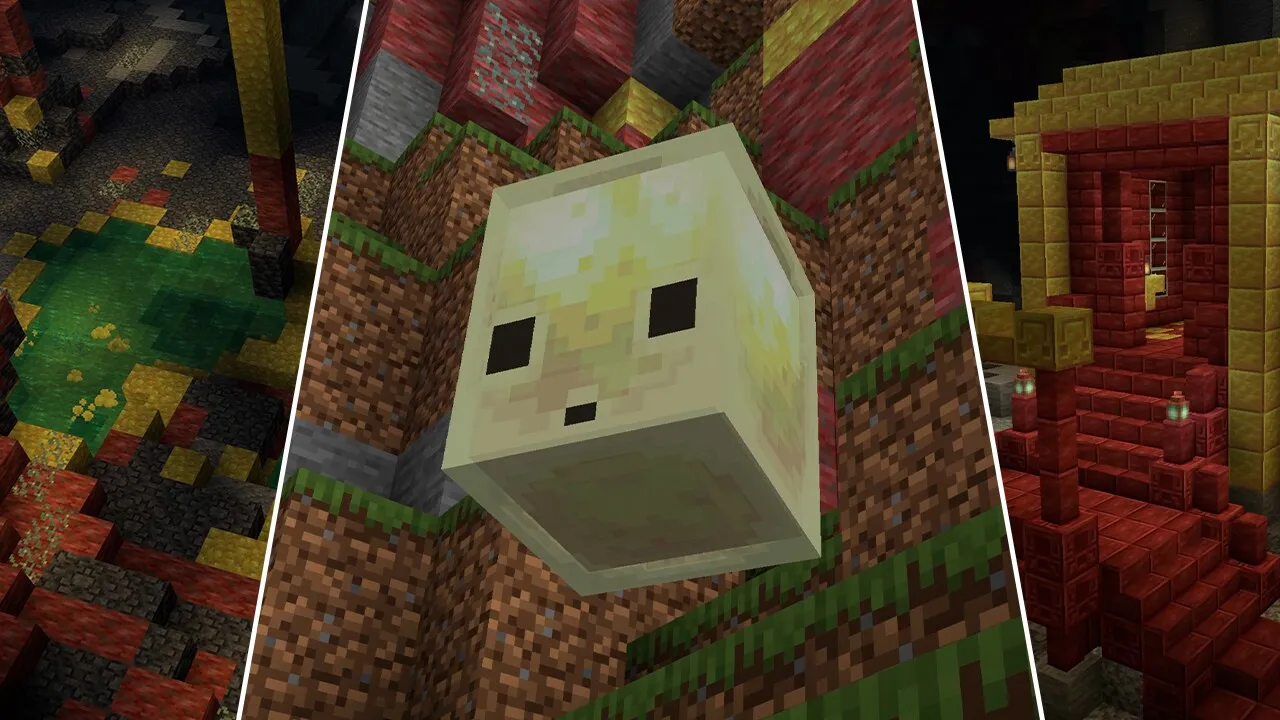
Over on PCGamesN, they reported that PnTMC's Verity mod for Bedrock Edition had downloaded nearly 5 million times in just under four weeks after its release in June 2026. The original Verity concept came from a YouTube video that gathered over 20 million views since May 2026, depicting this charming yellow orb character with unsettling undertones. Real talk, people loved it so much that modders immediately started bringing it into the game, and three separate implementations have official support from the original series creator.
That's the Minecraft ecosystem in a nutshell these days. A viral video sparks an idea, the community creates something, millions of players experience it in their own game world.
It's this dynamic feedback loop between creators and players that's unique in gaming. And it's not just Verity. The mod community generates constant innovation - everything from total conversion mods to quality-of-life improvements. If you're wondering where Minecraft's evolution comes from year to year, a lot of it actually originates from modders taking the base game and asking "what if we added this?" You can even customize how your server presents itself to new players - our MOTD creator tool lets you craft a unique welcome message using the same creative freedom that defines Minecraft itself.
Console Gaming Gets Its Moment
Console gaming had to wait its turn. Microsoft bought Minecraft from Markus Persson in 2014, and eventually ported it to Xbox and PlayStation, but those early console versions were compromised. They ran on older engines, had limited draw distances, and lacked the fluidity of the Java version.
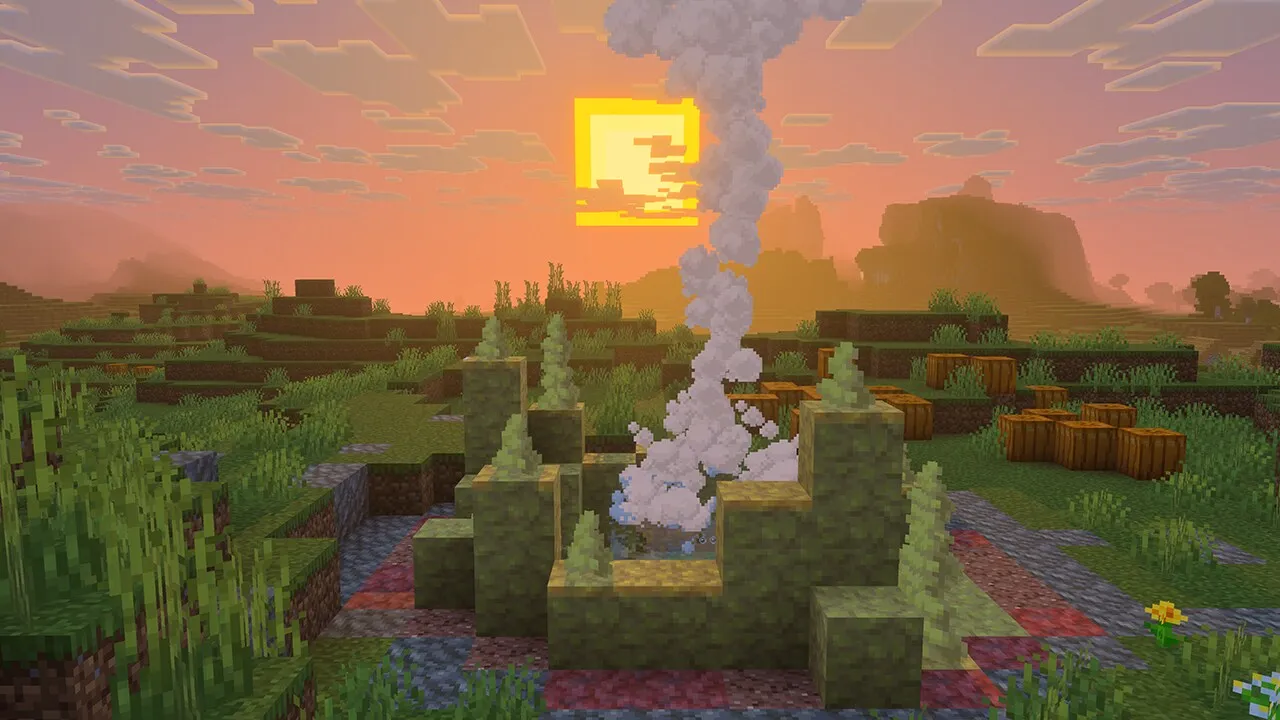
That's been frustrating for console players for years, honestly. PlayStation especially has been stuck on the PS4 version even after the PS5 launched in 2020. Four years is a long time to wait for a native upgrade.
The good news is it's finally happening. According to The Loadout, Mojang began testing a native Minecraft experience on PlayStation 5, targeting a release later in 2024. It's currently in experimental mode so the development team can gather feedback and make tweaks. Most likely it'll match the feature set that Xbox Series X|S got a while back, which means 4K resolution at 60 frames per second for the first time on PlayStation. For console gamers, this is significant - not just because the game will run better, but because it signals that Minecraft continues to be a priority for Mojang. They're still investing in bringing the definitive experience to every player.
The Design Lessons Gaming Learned
Every major game developer has studied what Minecraft did. The lessons are woven into how modern games approach player creativity and emergent gameplay. Fortnite's building mechanics? That's Minecraft DNA. Roblox's entire foundation? Built on similar principles. Even survival games like Valheim owe an intellectual debt to that core sandbox philosophy.
What's interesting is how Minecraft managed to stay relevant while younger players discovered it for the first time. The game hasn't needed radical reinvention because the core appeal - creative freedom in a persistent world - is timeless. Snapshots and updates add new biomes and blocks. Version 26.2 shipped recently with its usual collection of tweaks and features. But the game structure itself has stayed remarkably stable.
Personalization keeps the experience fresh for returning players too. You can browse thousands of player-created Minecraft skins in our gallery to stand out in your world. These small customization layers matter more than major overhauls sometimes. They give players ownership over how they appear in the game without changing what makes Minecraft fundamentally Minecraft.
What Changed About Gaming Itself
The real legacy of Minecraft isn't a specific feature or mechanic. It's a philosophy.
Before Minecraft dominated, the AAA industry was confident that games needed to be more controlled, more narrative-driven, more cinematic to be successful. Spectacle mattered. Player agency was something you managed carefully so the story stayed on track. Minecraft proved that was backwards. Given nothing but creative tools, players would generate their own narratives. They'd build worlds more compelling than anything the developers could script.
That shifted what success looked like. Now every gaming publisher talks about player agency and community content. Player-generated content went from a bonus feature to a core business strategy. Streaming became viable because watching someone else play Minecraft was genuinely entertaining - not because of the developer's intended experience, but because of what the player did with it. The game became a canvas. That player became the artist.
Honestly, trying to predict where Minecraft goes from here is tough. The game has already exceeded every reasonable success metric.
I suspect the next decade will focus on deepening specific systems. Better modding support. More solid multiplayer infrastructure. Perhaps more aggressive platform parity so nobody feels like they're playing a lesser version. What's certain is that Minecraft changed gaming permanently. Not just through sales or influence, but by proving that simple, infinitely replayable games built on creative freedom could dominate. That lesson shaped how the entire industry thinks about engagement and player agency now. We're all building in a Minecraft-shaped world, in a way. The blocks are just arranged differently depending on the game.

Lead writer at minecraft.how. Long-time Minecraft player running a small SMP server, testing every build, mod, and seed before writing about it.
Have a Question or Tip about this Guide?Community Q&A
Ask a question or help other players below. Join the discussion and share your Minecraft tips!